 Save to Pinterest
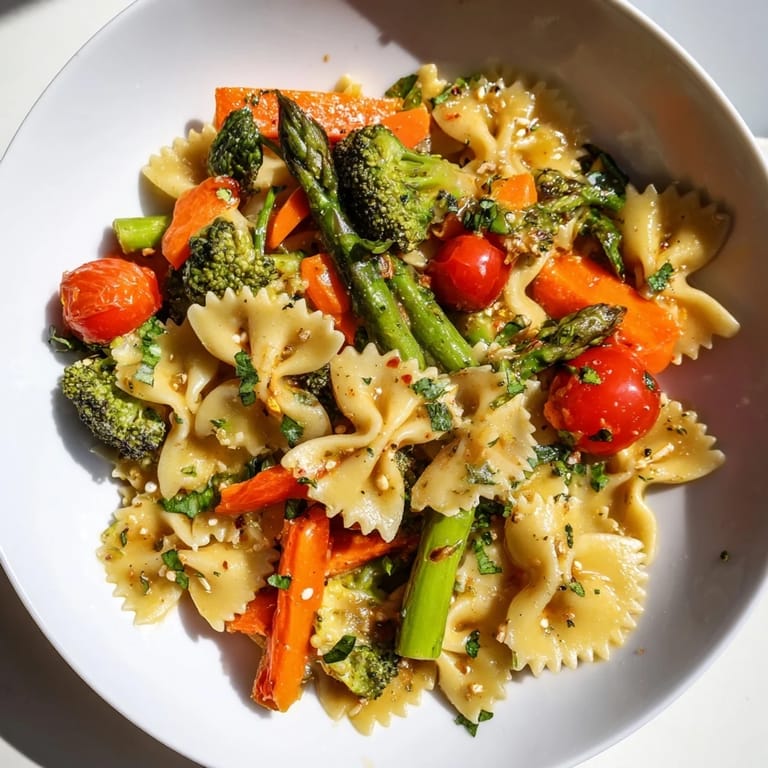
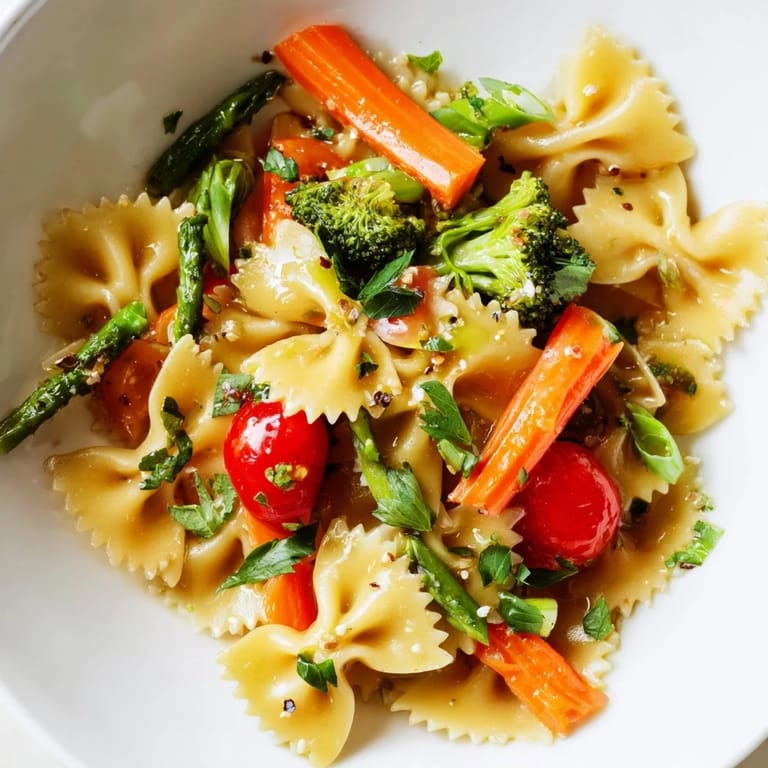
 Last spring, my sister came over for dinner and remarked that my cooking had been looking a little beige lately. She was right. I had been stuck in a rut of roasted potatoes and chicken, and everything coming out of my kitchen looked the same. That weekend, I went to the farmers market determined to buy every color I could find, and this rainbow pasta was born. The first time I made it, we sat on the back porch and actually giggled at how cheerful it looked on the plate.
I made this for a dinner party last month when my friend Sarah announced she was eating vegetarian. I was worried it would not be filling enough without meat, but everyone went back for seconds and my brother-in-law actually asked for the recipe before he even finished his plate. Something about all those colors together makes the whole meal feel lighter and more energetic.
What's for Dinner Tonight? 🤔
Stop stressing. Get 10 fast recipes that actually work on busy nights.
Free. No spam. Just easy meals.
Ingredients
- Bow-tie pasta: The little ridges catch the light olive oil sauce perfectly, and the shape holds onto bits of vegetables in every bite. Farfalle was always my daughter's favorite shape growing up because they look like little bows.
- Cherry tomatoes: They burst slightly when tossed with the hot pasta, releasing sweet juices that mix with the garlic oil. I learned to halve them beforehand after one too many surprise tomato explosions on my favorite shirt.
- Asparagus: Spring asparagus is tender enough that you barely need to cook it. Cut them into bite-sized pieces so they distribute evenly throughout the pasta instead of all sinking to the bottom of the bowl.
- Red and yellow vegetables: The bell pepper and squash add sweetness while the red onion provides a little sharp contrast. Keep the slices thin so they cook quickly but still maintain some crunch.
- Broccoli florets: These take longer to soften than the other vegetables, which is why they go into the pan first. I use small florets so they cook evenly and do not need to be steamed separately.
- Extra-virgin olive oil: This is the backbone of the sauce. Use the good stuff because you will really taste it. Three tablespoons gives enough richness to coat everything without feeling heavy or greasy.
- Lemon zest and juice: The zest adds bright aromatic oils while the juice provides acidity that cuts through the olive oil. Always zest before you juice, or it becomes impossible to hold onto the lemon.
Instructions
- Get your pasta water going:
- Bring a large pot of salted water to a boil while you prep the vegetables. I salt the water until it tastes like the ocean, which is the only time the pasta itself gets seasoned. Cook the bow-tie pasta according to the package directions, but definitely pull it early. You want it al dente with a tiny bit of bite in the center because it will cook more when tossed with the vegetables later.
- Prep all your vegetables:
- While the water heats, halve the cherry tomatoes, cut the asparagus into 1-inch pieces, slice the bell pepper thinly, and cut the squash into half-moons. Trim the broccoli into small florets and julienne the carrots into matchsticks. Slice the red onion as thinly as you can. Once everything is cut, the actual cooking goes so fast.
- Start the fragrant base:
- Heat 2 tablespoons of olive oil in a large skillet over medium heat. Add the minced garlic and red pepper flakes if you are using them. Let them sizzle for about 1 minute until the garlic turns pale gold and the kitchen starts to smell incredible. Do not walk away because garlic can go from perfect to burnt in seconds.
- Add the harder vegetables first:
- Toss in the carrots, broccoli, and asparagus. These need a few extra minutes to soften. Sauté them for 3 to 4 minutes, stirring occasionally, until they begin to brighten in color and soften slightly. You still want them to have some crunch, not be mushy.
- Add the remaining vegetables:
- Throw in the red onion, bell pepper, and yellow squash with a pinch of salt. Cook for another 3 to 4 minutes until everything is tender-crisp. The vegetables should be cooked through but still hold their shape and vibrant colors.
- Add the tomatoes and peas:
- Stir in the cherry tomatoes and frozen peas. These only need about 2 minutes to heat through. The peas defrost quickly in the hot pan and the tomatoes start to release some of their juices, creating a little extra sauce in the bottom of the skillet.
- Combine everything:
- Add the cooked pasta to the skillet with the remaining tablespoon of olive oil, lemon zest, and lemon juice. Toss everything together vigorously. If the pasta seems dry, add some of the reserved pasta water a little at a time until the sauce coats each piece of pasta and vegetables in a glossy sheen.
- Season and finish:
- Taste the pasta and add more salt and black pepper as needed. Remove from heat and toss with the grated Parmesan, fresh basil, and parsley. The residual heat will slightly wilt the herbs and help the Parmesan melt into the sauce.
 Save to Pinterest
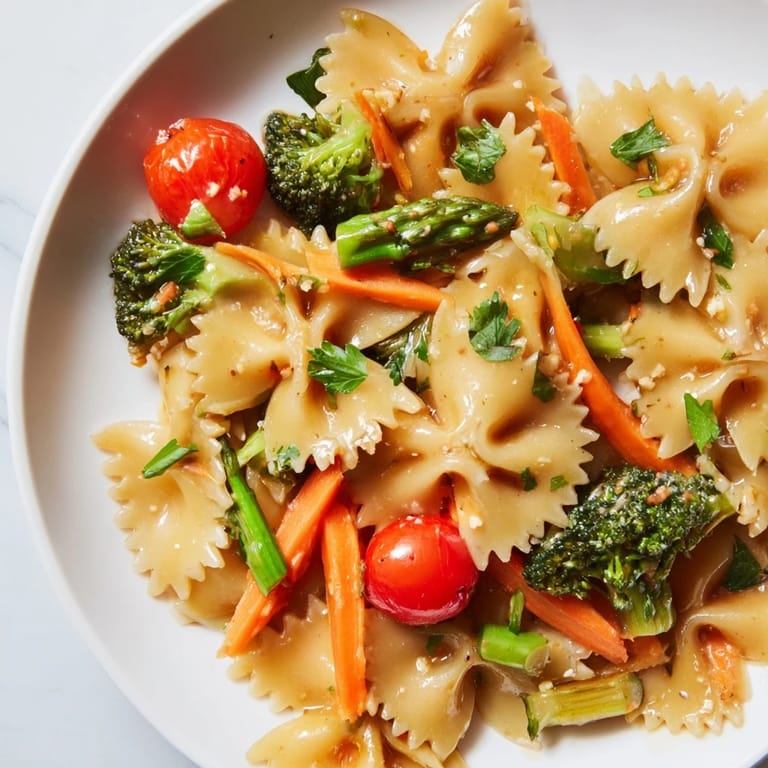
 This dish has become my go-to for potlucks because it travels well and can be served warm or at room temperature. Last summer, I brought it to a neighborhood block party and three different people asked for the recipe. There is something joyful about eating food that looks like a celebration on the plate.
Making It Your Own
The beauty of this recipe is how adaptable it is based on what is in season or what you have in the refrigerator. I have made it with zucchini ribbons in the summer and roasted butternut squash in the fall. As long as you keep the colors varied and cook the vegetables until just tender, it works.
Getting The Texture Right
The secret to restaurant-quality pasta primavera is cooking each vegetable for exactly as long as it needs. Harder vegetables like carrots and broccoli need more time, while cherry tomatoes and peas barely need any heat at all. I use tongs to test vegetables as they cook, pulling them when they are tender but still offer some resistance when you bite into them.
Serving Suggestions
This pasta is substantial enough to stand on its own as a main course, especially when topped with extra Parmesan. A simple green salad with a bright vinaigrette complements the flavors without competing. Crusty bread for sopping up the garlic oil at the bottom of the bowl is never a mistake.
- Grill some crusty baguette slices rubbed with raw garlic while the pasta cooks
- Chill leftovers and pack for lunch the next day. The flavors actually get better overnight
- Keep extra lemon wedges on the table for anyone who wants an extra bright hit
 Save to Pinterest
 Hope this bright and colorful pasta brings some joy to your table too. There is something about eating a rainbow that just makes you feel good inside.
Recipe Q&A
- → Can I prepare this dish ahead of time?
Yes, you can prepare the vegetables in advance and store them in the refrigerator. However, it's best to cook the pasta and assemble the dish just before serving to maintain the vegetables' texture and the pasta's ideal consistency.
- → What pasta can I use instead of bow-tie?
Any medium-sized pasta works well with this dish. Penne, fusilli, or rigatoni are excellent alternatives that hold the vegetables and sauce beautifully. For gluten-free options, use certified gluten-free pasta of your choice.
- → How do I make this dish vegan?
Simply omit the Parmesan cheese or replace it with a vegan alternative. All other ingredients are naturally plant-based. The olive oil and lemon juice create a flavorful sauce that doesn't require dairy.
- → Can I add protein to this dish?
Absolutely. Grilled chicken breast, shrimp, or even white beans work wonderfully. Add about 6-8 ounces of cooked protein when you combine the pasta with the vegetables in step 6.
- → What vegetables can I substitute?
Feel free to swap in seasonal vegetables like zucchini, snap peas, green beans, or cherry tomatoes. Use whatever colorful vegetables you have on hand. Aim for similar cooking times by cutting larger vegetables into smaller pieces.
- → Why is reserved pasta water important?
Pasta water contains starch that helps emulsify the olive oil and creates a silky, cohesive sauce that coats the noodles evenly. It's the secret to avoiding a dry dish while keeping the sauce light and flavorful.