
 Save to Pinterest
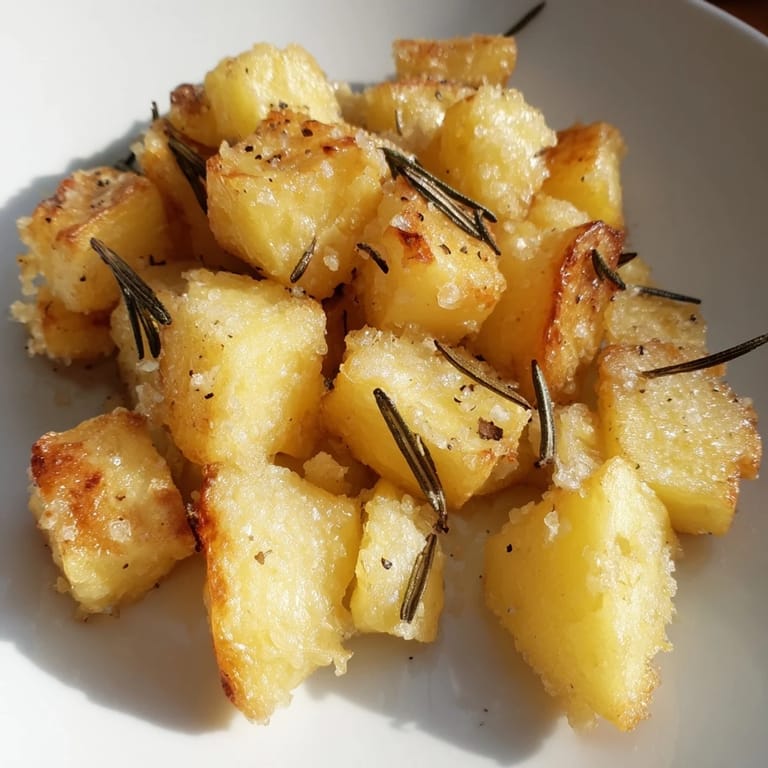
 My grandmother used to render beef tallow in an old cast-iron pot, and the kitchen would fill with this rich, almost meaty aroma that made everyone hungry before dinner even started. Years later, I realized she wasn't just being frugal—she was creating something extraordinary. The first time I roasted potatoes in that liquid gold, I understood why she'd saved every drop. Something happens when potatoes meet hot tallow: the outside shatters with a sound like broken glass, while the inside stays cloud-soft. It's the kind of cooking that feels both ancient and impossible to improve upon.
I made these for a Sunday roast dinner when my partner's family visited, and my father-in-law—who's usually quiet about food—went back for thirds without saying a word. When he finally spoke, he just said, "These are how potatoes should taste." That single sentence made me realize I'd cracked something that mattered, that simple ingredients treated with respect could feel like an accomplishment.
What's for Dinner Tonight? 🤔
Stop stressing. Get 10 fast recipes that actually work on busy nights.
Free. No spam. Just easy meals.
Ingredients
- Yukon Gold or Russet potatoes (2 pounds, cut into 2-inch chunks): Yukon Golds stay buttery and tender, while Russets get extra crispy—pick based on your mood. I learned the hard way that smaller chunks cook unevenly, so those 2-inch pieces really matter.
- Beef tallow (1/3 cup): This is the soul of the dish. If you have access to a good butcher, ask for beef fat trimmings and render it yourself—it's worth the effort and tastes noticeably better than store-bought.
- Kosher salt (1 1/2 teaspoons, plus more to taste): The amount matters more than you'd think because tallow carries salt differently than oil does.
- Freshly ground black pepper (1/2 teaspoon): Freshly ground makes a real difference here—pre-ground pepper tastes dull by comparison.
- Fresh rosemary or thyme (2 tablespoons, finely chopped): Optional but transformative; the herbs infused in hot tallow smell like a fancy restaurant kitchen.
- Garlic cloves (2, smashed): These release their essence into the fat and then get discarded, leaving behind their soul.
Instructions
- Heat your stage:
- Set your oven to 425°F and slide a large rimmed baking sheet inside to preheat. This matters more than it sounds—a cold sheet means soggy bottoms, which is the enemy here.
- Parboil with purpose:
- Drop your potato chunks into a pot of cold, salted water and bring it to a boil. Let them bubble away for 8 to 10 minutes until the edges are just starting to soften but the centers still have resistance. You want them cooked enough to be tender but firm enough to handle the roasting.
- Roughen the edges:
- Drain everything thoroughly, then return the potatoes to the empty pot. Shake it gently—this isn't violence, just enough movement to create a slightly shaggy surface. Those rough bits are what turn into crispy, golden edges.
- Infuse the fat:
- In a small saucepan, warm your beef tallow over low heat until it's liquid and silky. If you're using garlic and herbs, add them now and let them whisper their flavors into the fat for a minute or two, then fish them out and discard.
- Coat with confidence:
- Carefully pull that screaming-hot baking sheet from the oven, pour half the tallow onto it, and tilt it around to create an even coating. The sizzle you hear is a good sign.
- Layer and season:
- Add your potatoes in a single layer—don't crowd them or they'll steam instead of roast. Drizzle with the remaining tallow, then dust generously with salt and pepper.
- Roast and flip:
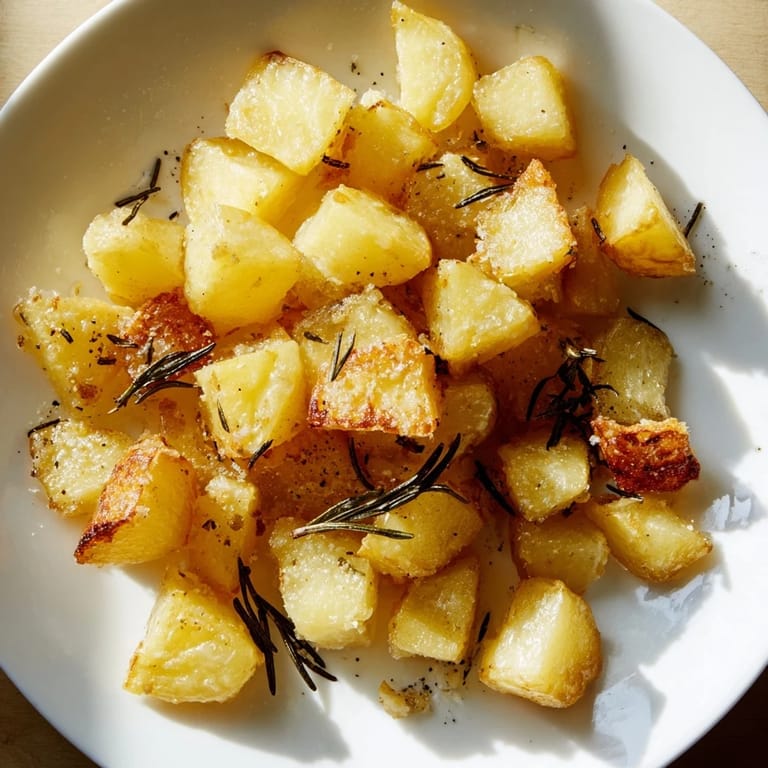
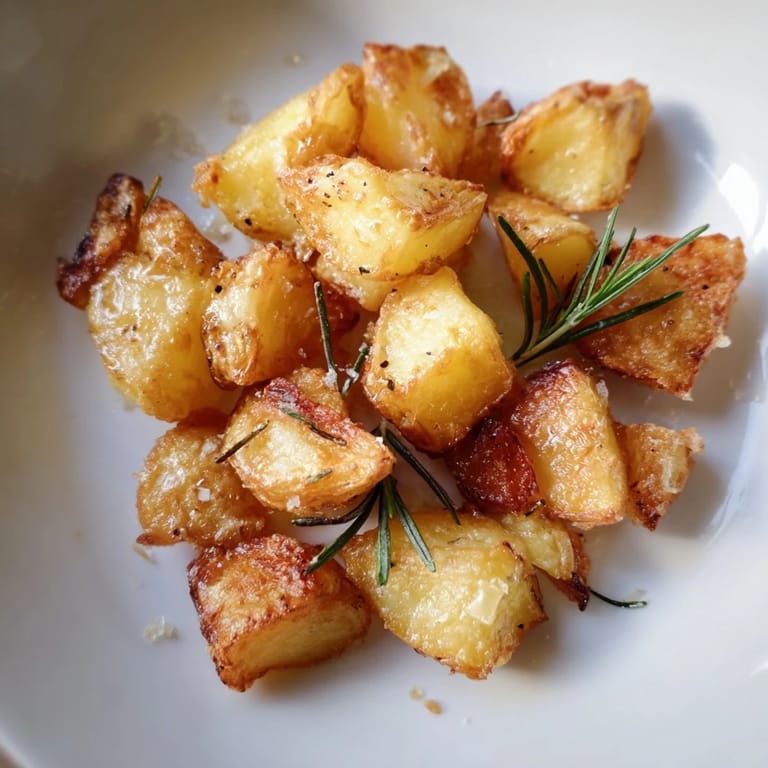
- Let them roast for 20 minutes until they're starting to color, then flip them over and roast for another 20 to 25 minutes. You're looking for deep golden-brown color all over, with edges that look almost burnt (they're not—that's intentional).
- Finish and serve:
- Pull them from the oven and taste one to check your seasoning. Add fresh herbs if you like, then eat them immediately while they're still crackling with heat.
 Save to Pinterest
 There's a moment, about halfway through roasting, when the kitchen fills with this savory, almost intoxicating smell—that's when I know they're going to be perfect. It's become the smell I associate with comfort, with having people over, with taking the time to do something right.
Why Beef Tallow Matters
Beef tallow is having a moment, and honestly, it deserves it. It has a higher smoke point than olive oil and a richness that butter can't quite match—when you roast potatoes in it, you're not just cooking them, you're infusing them with a flavor that's been prized for centuries. My grandmother understood this instinctively; modern cooking seems to have forgotten it for a while. Using tallow feels like remembering something important.
The Crispy-Fluffy Balance
The magic here is in the parboiling step—it's what separates these from the soggy disappointments you sometimes get. By cooking them partially in water first, you break down the starches from the inside while keeping the exterior intact, so when they hit the hot fat, they crisp up instead of collapsing. I've made these potatoes with people who swear they don't like potatoes, and something shifts when they taste the contrast between that shattered crust and the tender center.
Making Them Your Own
The beauty of this recipe is how it accepts customization without losing its identity. Some nights I use duck fat or goose fat if I have it, which gives a slightly different but equally delicious flavor. Other times I add smoked paprika for warmth, or chili flakes for a whisper of heat. The core technique stays the same, which means the results always deliver.
- If you can't find beef tallow, duck fat is your next best friend and creates a slightly earthier result.
- For extra indulgence, toss the finished potatoes with fleur de sel and fresh thyme right out of the oven.
- These are best served immediately, but cold leftovers are genuinely good—reheat them in a hot oven for 5 minutes to bring back the crispiness.
 Save to Pinterest
 These potatoes have become my answer to "what should I bring?" and my comfort food when nothing else feels right. There's something deeply satisfying about serving something so simple that tastes so complete.
Recipe Q&A
- → Why use beef tallow for roasting potatoes?
Beef tallow adds a rich, savory flavor and helps create an exceptionally crispy exterior while keeping the inside fluffy.
- → Can I substitute beef tallow with other fats?
Yes, duck fat or goose fat can be used for a different but equally delicious flavor profile.
- → How do I ensure the potatoes get crispy?
Boil potatoes until just tender, then shake them gently to roughen edges before roasting. Also, roasting on a preheated baking sheet coated with hot fat helps crispness.
- → Are herbs necessary for the best result?
Herbs like rosemary or thyme add aromatic notes but are optional; the potatoes are tasty even without them.
- → What potatoes work best for this method?
Yukon Gold or Russet potatoes are ideal due to their texture and ability to crisp while staying fluffy inside.