 Save to Pinterest
 The smell of caraway seeds toasting in a dry pan always stops me mid-chop. It happened one October evening when I was testing venison for the first time, nervous about overcooking the lean meat. The seeds filled the kitchen with a warm, faintly sweet aroma that reminded me of rye bread and winter markets. That simple step turned what could have been just seared meat and mash into something I actually looked forward to making again.
I made this for friends who claimed they didn't like game meat. They finished every bite and asked for the recipe before dessert arrived. One of them even admitted she'd been picking around venison for years because someone once served it grey and chewy. Watching her go back for seconds felt like a small kitchen victory I didn't know I needed.
What's for Dinner Tonight? 🤔
Stop stressing. Get 10 fast recipes that actually work on busy nights.
Free. No spam. Just easy meals.
Ingredients
- Venison steaks (4, about 150 to 180 g each): Look for steaks that are deep red and evenly cut so they cook at the same rate, and always bring them to room temperature before searing.
- Olive oil (1 tbsp): Just enough to coat the meat without making it slippery, helping the thyme stick and creating a light crust.
- Fresh thyme leaves (2 tsp): Strip them from the stems and rub them in with your fingers so the oils release and cling to the venison.
- Salt and freshly ground black pepper: Season generously right before cooking, not earlier, to avoid drawing out moisture.
- Large swede, peeled and diced (about 900 g): Choose one that feels heavy for its size with smooth skin, and cut the cubes evenly so they soften at the same time.
- Unsalted butter (40 g): Adds a silky richness to the mash that cream alone can't achieve.
- Double cream (2 tbsp): Use milk if you prefer something lighter, but cream gives the swede a luxurious texture that balances the lean venison.
- Caraway seeds (1 tsp): Toasting them first is non-negotiable, it wakes up the flavor and keeps them from tasting raw or bitter.
- Red wine (100 ml, optional): Any robust red works, I've used leftover Malbec and cheap Shiraz with equal success.
- Beef or game stock (100 ml, optional): Deepens the sauce and ties the whole plate together with a savory backbone.
- Redcurrant jelly (1 tsp, optional): A tiny spoonful adds just enough sweetness to balance the wine without making the sauce jammy.
- Cold butter (1 tsp, for sauce): Whisked in off the heat, it gives the sauce a glossy finish and mellows any sharpness.
Instructions
- Boil the swede:
- Bring a large pot of salted water to a rolling boil, add the diced swede, and cook for 20 to 25 minutes until a fork slides through with no resistance. Don't rush this, undercooked swede mashes unevenly and tastes starchy.
- Prepare the venison:
- Pat the steaks completely dry with paper towels, then rub them all over with olive oil, thyme, salt, and pepper. Let them sit at room temperature while the swede cooks so they sear evenly without going cold in the center.
- Toast the caraway:
- Heat a dry pan over medium heat, add the caraway seeds, and shake the pan gently for 1 to 2 minutes until they smell warm and nutty. Tip them out immediately so they don't burn.
- Mash the swede:
- Drain the swede thoroughly and return it to the hot pot, then add butter, cream, toasted caraway, salt, and pepper. Mash until mostly smooth but leave a bit of texture, it should look rustic and homey, not pureed.
- Sear the venison:
- Heat a heavy skillet or griddle pan over medium-high heat until it's almost smoking, then lay the steaks down without moving them for 2 to 3 minutes per side for medium-rare. Transfer to a warm plate, cover loosely with foil, and rest for 5 minutes so the juices redistribute.
- Make the optional sauce:
- In the same hot pan, pour in the red wine and scrape up all the browned bits, then add the stock and redcurrant jelly. Let it bubble and reduce until it coats the back of a spoon, then whisk in the cold butter off the heat and season to taste.
- Serve:
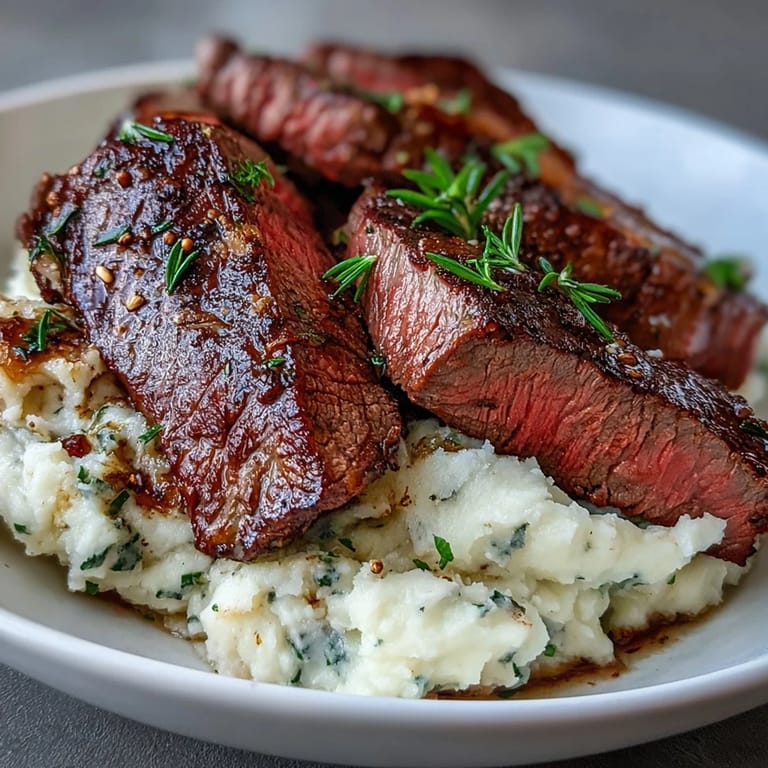
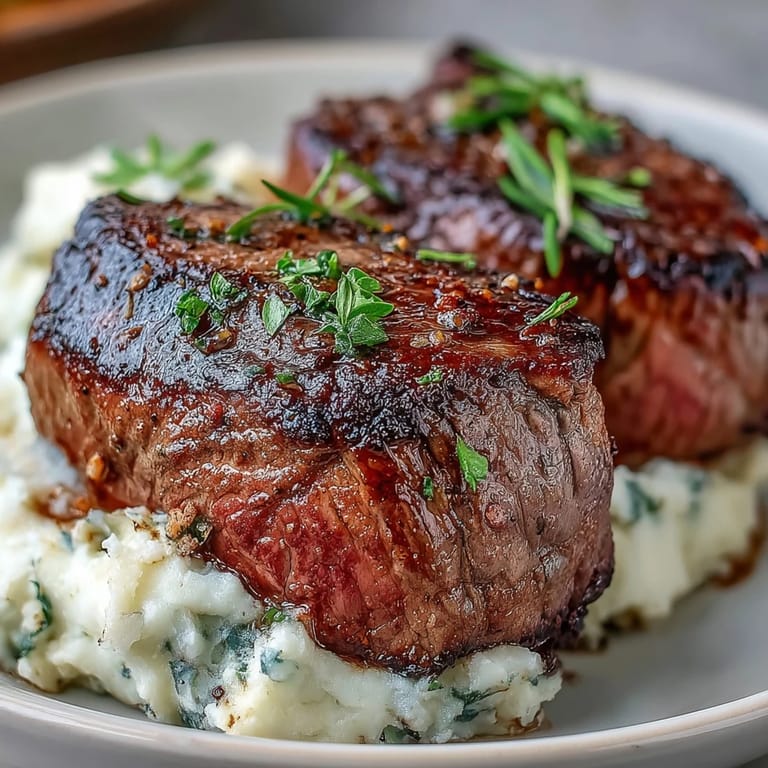
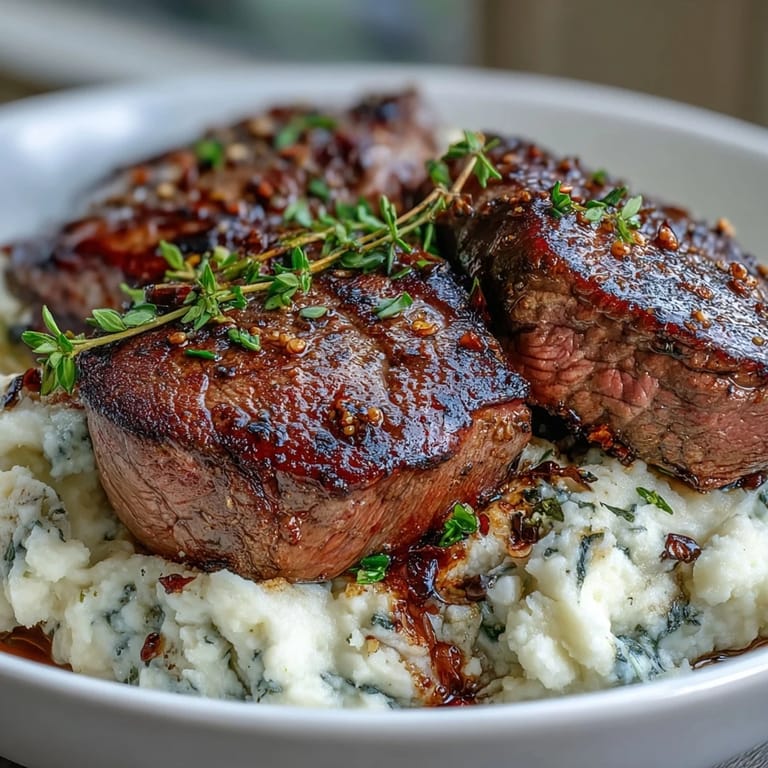
- Spoon the caraway crushed swede onto warm plates, place the venison steaks on top, and drizzle with the red wine sauce if you made it. Serve immediately while everything is hot.
 Save to Pinterest
 The first time I plated this, I worried it looked too plain. Then my partner took a bite, closed his eyes, and said it tasted like a countryside pub he'd been to in Scotland years ago. Sometimes the best dishes don't need garnish or fuss, just good ingredients treated with care and a little bit of caraway magic.
Choosing and Cooking Venison
Venison intimidates people because it's lean and easy to overcook, but it's actually more forgiving than you think if you use high heat and a quick hand. Look for steaks that are evenly thick so they cook uniformly, and never cook them straight from the fridge or the outside will char before the inside warms through. A meat thermometer helps at first, aim for 50 to 52 degrees Celsius for medium-rare, but after a few tries you'll learn to judge by feel. The resting time is just as important as the cooking, those five minutes let the muscle fibers relax and the juices settle back in instead of running all over your cutting board.
Why Swede Works So Well Here
Swede has a natural sweetness that balances gamey meat without competing for attention, and it mashes into a creamy texture that feels more interesting than plain potatoes. I used to skip it in favor of celeriac or parsnip, thinking it was too humble, but swede holds butter and cream beautifully and doesn't turn gluey when you overwork it. The caraway seeds play up its slight earthiness, making the whole mash taste like something you'd find in a farmhouse kitchen in the Alps. If you can't find swede, try half parsnip and half celeriac, but you'll miss that gentle sweetness.
Serving and Pairing Ideas
This dish feels complete on its own, but a handful of sautéed winter greens like kale or cavolo nero adds color and a slight bitterness that cuts through the richness. Roasted carrots or parsnips work too, especially if you toss them with a bit of honey and thyme before they go in the oven. For wine, reach for something bold like a Syrah, Malbec, or even a Rioja, the tannins stand up to the venison and the fruity notes echo the redcurrant jelly if you use it.
- Add a pinch of nutmeg to the swede mash for extra warmth and a hint of spice.
- Swap half the swede for celeriac or parsnip if you want a slightly different flavor profile.
- Make the sauce ahead and reheat gently, it holds well and saves you a step during final plating.
 Save to Pinterest
 Once you've made this a few times, you'll find yourself craving it on cold nights when you want something that feels both comforting and a little bit special. It's the kind of meal that doesn't need an occasion, just an appetite and a willingness to let the kitchen smell amazing.
Recipe Q&A
- → What cut of venison works best for this dish?
Loin steaks or haunch steaks work beautifully, weighing 150-180g each. Look for meat that's deep red with minimal silver skin. Let steaks come to room temperature before cooking for even searing.
- → Can I substitute swede with another root vegetable?
Yes, you can use parsnip, celeriac, or a combination of root vegetables. Each brings a unique sweetness and earthiness that pairs wonderfully with venison. Cooking times remain similar.
- → How do I prevent venison from becoming tough?
Avoid overcooking—venison is best served medium-rare to medium. Sear quickly over high heat, then rest for 5 minutes. The resting period allows juices to redistribute, keeping the meat tender and flavorful.
- → What does caraway add to the swede mash?
Caraway seeds bring a warm, slightly sweet anise-like flavor that complements both the earthy swede and rich venison. Toasting them first intensifies their aromatic oils and adds depth to the dish.
- → Can I prepare components ahead of time?
The crushed swede can be made up to 2 hours ahead and kept warm. The sauce can also be prepared in advance and gently reheated. However, cook the venison steaks just before serving for optimal texture.
- → What wine pairs best with venison and caraway?
A robust red wine like Syrah, Malbec, or Côtes du Rhône complements the rich, gamey flavor of venison. The wine's tannins cut through the buttery swede while enhancing the meat's depth.