 Save to Pinterest
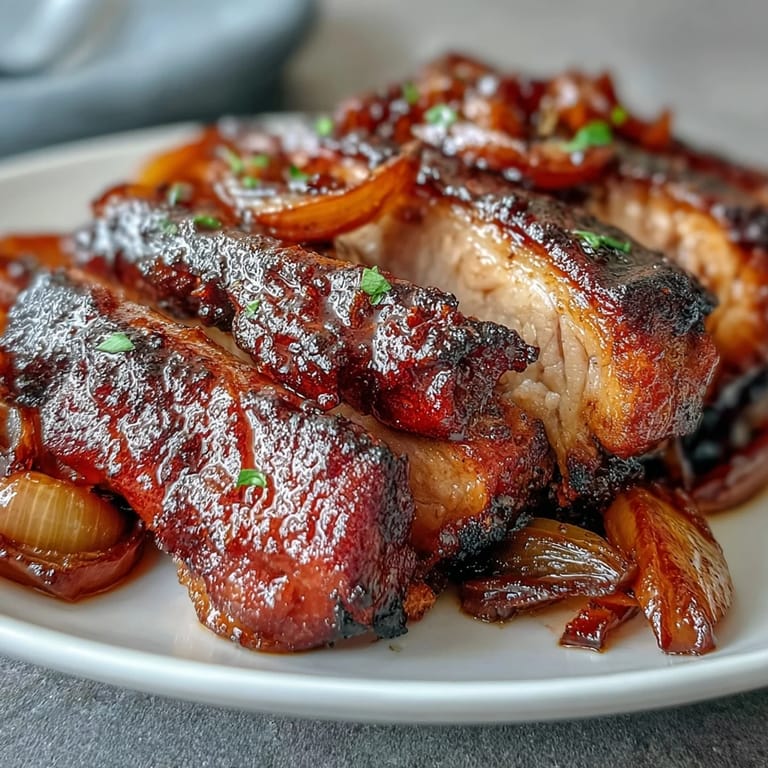
 There was this Sunday afternoon when I had a bunch of rhubarb sitting in the fridge and no plan for dessert. I started thinking about how rhubarb always gets sweet treatment, but its tartness could balance something rich and savory. I had pork shoulder thawing and a hunch that orange, ginger, and a little honey might tie it all together. The smell that filled the kitchen as it roasted was unlike anything I expected, earthy and bright at the same time. That experiment turned into one of those dishes I make whenever I want to impress without spending hours at the stove.
I served this to friends who claimed they hated rhubarb, and they scraped the pan clean. One of them kept asking what the secret ingredient was, convinced I had added some exotic spice blend. It was just the magic of roasting fruit alongside meat, letting the juices mingle and the edges get crispy. Watching their faces change from skeptical to delighted made me realize how much we underestimate simple combinations. That night reminded me why I love cooking, it is all about turning doubt into surprise.
What's for Dinner Tonight? 🤔
Stop stressing. Get 10 fast recipes that actually work on busy nights.
Free. No spam. Just easy meals.
Ingredients
- Boneless pork shoulder or loin (800 g): Shoulder stays juicier and more forgiving if you roast it a few extra minutes, while loin cooks faster but can dry out so watch it closely.
- Olive oil (1 tbsp): Just enough to help the spices stick and encourage browning without making the pork greasy.
- Sea salt (1 tsp) and black pepper (½ tsp): The foundation that lets every other flavor shine without competing.
- Rhubarb (300 g): Choose firm stalks with bright color and trim away any leaves since they are toxic, the tartness mellows beautifully as it roasts.
- Red onions (2): They soften into sweet, jammy bites that balance the rhubarb tang.
- Garlic cloves (2, minced): Adds a gentle savory note that deepens as it caramelizes.
- Fresh ginger (thumb-sized piece, grated): Brings warmth and a subtle zing that makes the whole dish feel alive.
- Orange (zest and juice): Brightens everything and helps the honey spread evenly over the fruit and vegetables.
- Honey or maple syrup (2 tbsp): Balances the rhubarb acidity and encourages caramelization, adjust to taste if your rhubarb is especially tart.
- Ground coriander (1 tsp): Adds a citrusy floral note that pairs beautifully with pork and fruit.
- Ground fennel (1 tsp): Lends a mild licorice sweetness that feels cozy without overpowering.
- Ground cinnamon (½ tsp): Just a whisper to tie the spices together with warmth.
- Smoked paprika (½ tsp): Gives the pork a gentle smokiness that makes it taste more complex than it really is.
- Chili flakes (¼ tsp, optional): A tiny kick that wakes up your palate, leave it out if you prefer mellow flavors.
- Fresh parsley or cilantro (3 tbsp, chopped): A bright, herby finish that adds color and freshness right before serving.
Instructions
- Get the oven ready:
- Preheat your oven to 200°C (400°F) and line a large baking tray with parchment paper. This keeps everything from sticking and makes cleanup so much easier.
- Season the pork:
- Toss the pork slices in a bowl with olive oil, salt, pepper, coriander, fennel, cinnamon, smoked paprika, and chili flakes if using. Arrange them on one side of the prepared tray, leaving space for the rhubarb mixture.
- Prepare the rhubarb and aromatics:
- In another bowl, combine rhubarb pieces, red onion wedges, minced garlic, grated ginger, orange zest and juice, and honey. Toss everything until well coated, then spread the mixture beside the pork on the tray.
- Roast and turn:
- Slide the tray into the oven and roast for 35 minutes, flipping the pork and stirring the rhubarb mixture halfway through. This ensures even browning and prevents any burnt edges.
- Boost the heat for caramelization:
- Increase the oven temperature to 220°C (430°F) and roast for another 10 to 15 minutes until the pork is golden and cooked through and the rhubarb is tender with caramelized edges. Keep an eye on it so nothing burns.
- Rest and serve:
- Let the pork rest for 5 minutes before slicing so the juices redistribute. Arrange everything on a platter and sprinkle with fresh parsley or cilantro for a pop of color and flavor.
 Save to Pinterest
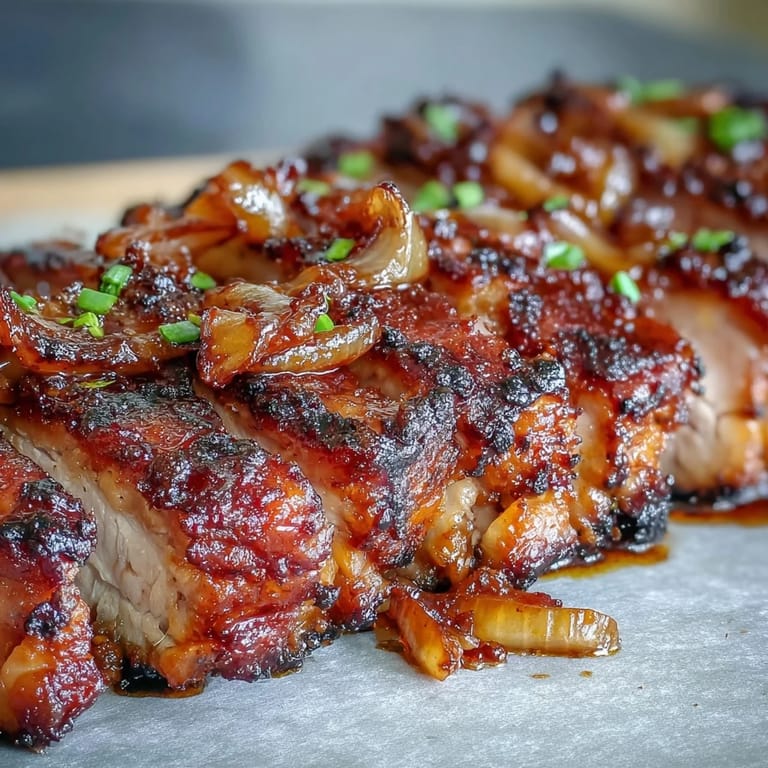
 One evening I plated this for a small dinner party and someone asked if I had trained professionally because the presentation looked so elegant. I laughed and admitted it was pure luck that the rhubarb had caramelized so beautifully. That moment taught me that confidence in simple ingredients can make any dish feel special. Sometimes the best meals come from trusting your instincts and letting the oven do the work.
Serving Suggestions
This traybake shines when you pair it with something that soaks up the sweet-tart juices pooling on the tray. I love serving it over couscous or alongside roasted potatoes that get crispy in their own pan. A crisp green salad with a lemony vinaigrette cuts through the richness and adds freshness. Sometimes I add a dollop of Greek yogurt on the side for extra creaminess. Keep it simple so the pork and rhubarb stay center stage.
Ingredient Swaps and Variations
If you cannot find rhubarb or it is out of season, tart apples or even plums work surprisingly well with the same spice blend. Chicken thighs are a great substitute for pork and cook in roughly the same time, just check they reach a safe internal temperature. For a deeper flavor, splash a bit of balsamic vinegar over the rhubarb before roasting. I have also used maple syrup instead of honey when cooking for vegan friends, and it adds a lovely woody sweetness. Do not be afraid to play with the spice ratios based on what you have in your cupboard.
Storage and Reheating
Leftovers keep well in an airtight container in the fridge for up to three days and somehow taste even better the next day once the flavors meld. Reheat gently in a low oven or on the stovetop with a splash of water to prevent drying out. I have also shredded leftover pork and tossed it with the caramelized rhubarb to make quick grain bowls for lunch. Freezing works too, though the rhubarb texture softens a bit after thawing so it is best used in a sauce or stew.
- Store in shallow containers so everything cools quickly and evenly.
- Label with the date so you remember to use it within three days.
- Reheat only the portion you plan to eat to keep the rest fresh longer.
 Save to Pinterest
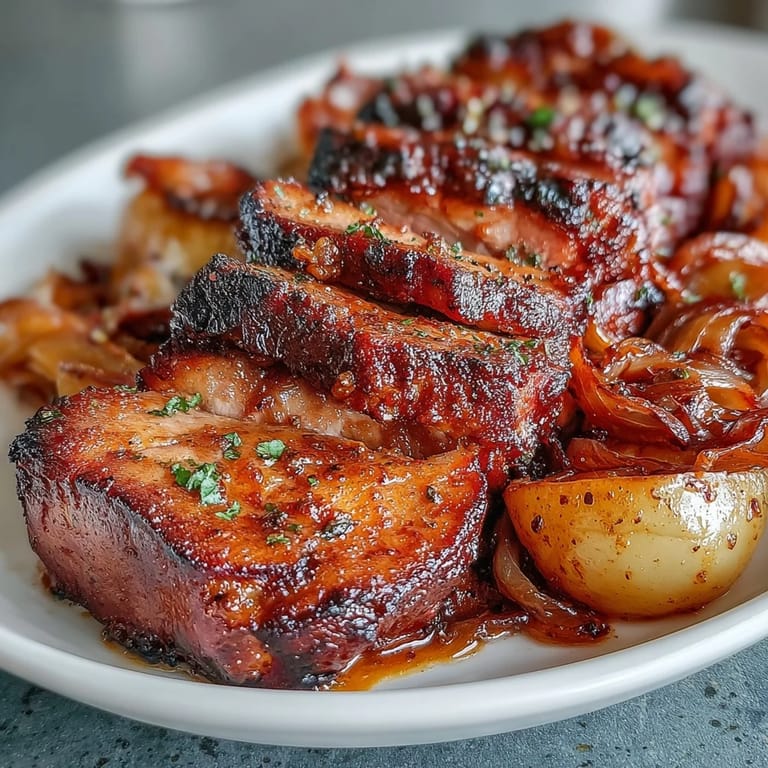
 This dish has become my go-to when I want something impressive without the fuss, and every time I make it I remember that Sunday experiment. I hope it brings a little warmth and surprise to your table too.
Recipe Q&A
- → Can I use a different cut of pork?
Yes, pork loin works beautifully and cooks slightly faster than shoulder. You can also substitute with chicken thighs for a different flavor profile while keeping the same cooking method.
- → What can I serve with this traybake?
This pairs wonderfully with roasted potatoes, buttery couscous, or fluffy rice. A crisp green salad or steamed vegetables also complement the rich flavors nicely.
- → How do I know when the pork is fully cooked?
The pork should reach an internal temperature of 63°C (145°F) and have a golden exterior. Let it rest for 5 minutes after roasting to ensure juicy, tender slices.
- → Can I prepare this ahead of time?
You can prep the pork and rhubarb mixtures separately up to 4 hours ahead and refrigerate. When ready, arrange on the tray and roast as directed, adding a few extra minutes if starting cold.
- → What if my rhubarb is very tart?
Simply increase the honey or maple syrup by 1-2 tablespoons to balance the tartness. You can also add a splash of balsamic vinegar for extra depth and sweetness.
- → How should I store leftovers?
Store in an airtight container in the refrigerator for up to 3 days. Reheat gently in the oven at 180°C (350°F) or in the microwave until warmed through.