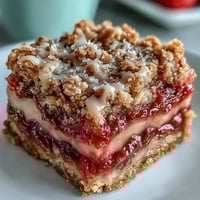
 Save to Pinterest
 My sister called me three days before her birthday asking if I could make something springy and bright—nothing too fussy, but special enough to feel like a celebration. I found myself standing in the kitchen on a Saturday morning, squeezing fresh lemons until my fingers smelled like summer, and something about the smell of vanilla and butter creaming together made me realize this cake was going to be exactly what she needed. The idea of layering tangy homemade lemon curd between tender vanilla sponge felt like capturing spring itself on a plate.
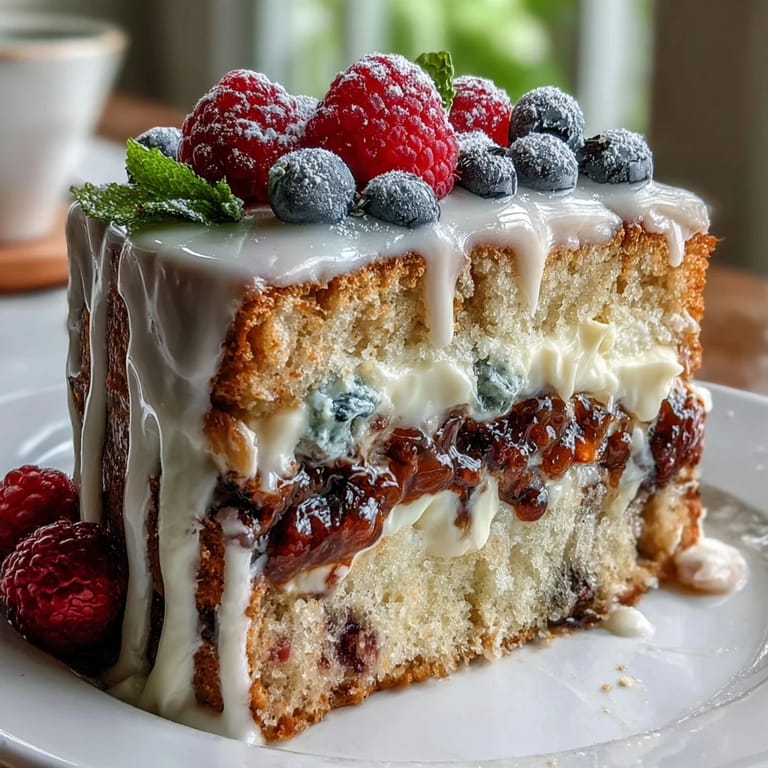
I'll never forget watching my sister's face when she cut into that first slice and the lemon curd oozed out onto the plate—her eyes lit up like I'd done something magical. My niece immediately asked for seconds, and my brother-in-law started talking about bringing it to the office potluck. That's when I knew this recipe had to live in my regular rotation, not just for birthdays.
What's for Dinner Tonight? 🤔
Stop stressing. Get 10 fast recipes that actually work on busy nights.
Free. No spam. Just easy meals.
Ingredients
- All-purpose flour (2 ½ cups): The foundation that keeps everything tender and not too dense—don't sift obsessively, just spoon and level.
- Baking powder and baking soda (2 ½ tsp and ½ tsp): Together they create lift that makes each bite feel almost cloud-like.
- Salt (½ tsp): This tiny amount makes every flavor pop without tasting salty.
- Unsalted butter (1 cup): Room temperature is non-negotiable here—cold butter won't cream properly and you'll miss that fluffy texture.
- Granulated sugar (2 cups): Creaming it with butter for a full 3-4 minutes incorporates air that makes the final cake rise beautifully.
- Large eggs (4), room temperature: Cold eggs won't emulsify smoothly into the batter, so pull them out 30 minutes ahead.
- Vanilla extract (1 tbsp): Real vanilla makes a noticeable difference in a simple cake like this.
- Whole milk (1 cup), room temperature: Alternating dry and wet ingredients prevents overmixing, which would make the cake tough.
- Lemon zest (1 zest in cake, 2 in curd): Fresh zest adds brightness and aroma that bottled lemon juice can't touch.
- Egg yolks (4 for curd): Use the whites for something else—yolks create that silky, rich curd texture.
- Fresh lemon juice (⅓ cup): Bottled works in a pinch, but fresh juice has better flavor and cleaner tartness.
- Unsalted butter for curd (¼ cup): Whisked in at the end, it adds richness without making the curd greasy.
- Heavy cream (2 cups), chilled: Cold cream whips faster and holds peaks longer than room temperature cream.
- Powdered sugar (½ cup): Dissolves instantly into whipped cream without graininess.
- Fresh berries and edible flowers: Optional, but they turn a homemade cake into something that looks bakery-worthy.
Instructions
- Set the stage:
- Preheat your oven to 350°F and prep that 9x13-inch pan with parchment paper—it makes removing the cake effortless and prevents sticking. Gather all your ingredients and make sure eggs and milk are sitting out, getting to room temperature while you work.
- Combine dry ingredients:
- Whisk flour, baking powder, baking soda, and salt together in a medium bowl—this distributes the leavening agents evenly so your cake rises uniformly. Set it aside and resist the urge to overthink it.
- Cream butter and sugar:
- Beat softened butter and sugar together for a full 3-4 minutes until it's noticeably pale and fluffy—this is where you're incorporating air that makes the cake light. Stop the mixer occasionally and scrape down the sides so everything is combining evenly.
- Add eggs one at a time:
- Drop each egg in individually and beat well after each addition—rushing this step means the batter might break and you'll lose that fluffy texture. It should look smooth and creamy before you move on.
- Mix in vanilla and lemon zest:
- These flavor boosters go in after the eggs, and the mixer will distribute the zest throughout the batter beautifully. You'll start smelling the lemony promise of what's coming.
- Alternate wet and dry:
- Add one-third of the dry mixture, then half the milk, then another third of dry, then the rest of the milk, finishing with the last third of dry ingredients. Mix just until combined after each addition—overmixing develops gluten and makes the cake tough.
- Bake:
- Pour batter into the prepared pan and smooth the top with a spatula, then slide it into the oven for 28-32 minutes. You'll know it's done when a toothpick poked in the center comes out clean or with just a few crumbs.
- Cool completely:
- Let the cake rest in the pan on a cooling rack for at least an hour—this prevents it from crumbling when you slice it. Patience here pays off in clean layers.
 Save to Pinterest
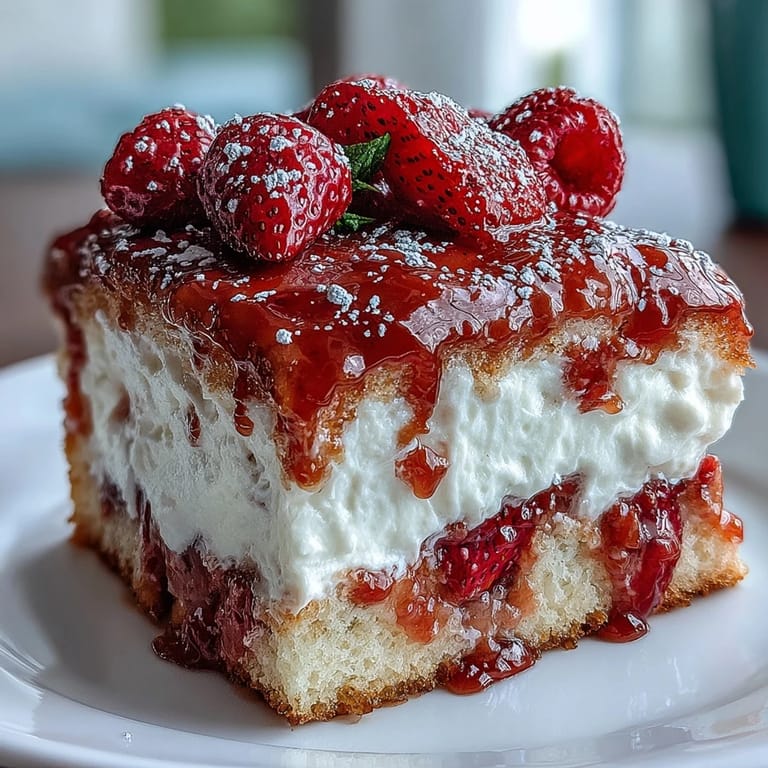
 While the cake cooled, I made the lemon curd and caught myself leaning over the saucepan, inhaling the steam like it was aromatherapy. There's something meditative about standing there stirring, watching it transform from thin and runny to thick and glossy, knowing that moment of patience would pay off in every spoonful.
Making the Lemon Curd
Lemon curd intimidates people, but it's really just eggs, sugar, lemon juice, and butter getting cozy over low heat. The key is constant stirring and a cooking thermometer if you're nervous—around 160°F and you're safe, but honestly, the visual cue of it coating the back of a spoon tells you everything. Once it thickens, whisking in cold butter at the end transforms it into something silky and luxurious that tastes like it came from a fancy patisserie.
The Frosting That Changed Everything
I used to default to buttercream for everything until I realized that whipped cream frosting lets the cake and lemon curd be the stars instead of drowning them in richness. It's whipped just until stiff peaks form—not a second longer or it turns grainy—and it stays fluffy and light even after hours in the fridge. The combination of cold cream, powdered sugar, and vanilla is almost embarrassingly simple, but that's exactly why it works so beautifully on this cake.
Assembly and the Final Touch
Once everything is cool and chilled, carefully slice the cake horizontally using a serrated knife and a gentle sawing motion—you're looking for two even layers that won't crumble. Spread that cold lemon curd on the bottom layer like you're tucking it in, then carefully replace the top half, and suddenly you've got a layer cake that feels professional without being complicated.
- Use a long offset spatula to spread frosting evenly, dipping it in warm water and wiping between strokes for a smooth finish.
- Fresh berries scattered on top add color and a pop of tartness that complements the lemon curd perfectly.
- Keep the finished cake chilled until serving time so the layers stay distinct and the slices cut cleanly.
 Save to Pinterest
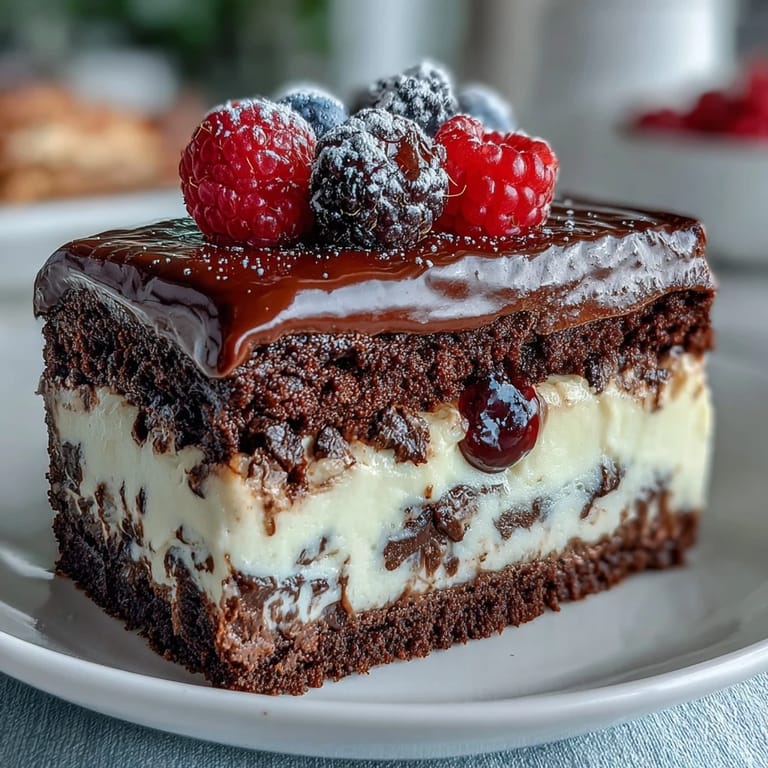
 This cake has a way of turning an ordinary spring afternoon into something memorable, which is honestly all you're really looking for in a recipe. Make it for someone you love, watch their face when they taste that bright lemon filling, and know you've done something right.
Recipe Q&A
- → Can I use store-bought lemon curd instead of homemade?
Yes, store-bought lemon curd can be used to save time without compromising flavor significantly.
- → How do I ensure the cake slices cleanly?
Chill the assembled cake thoroughly for at least an hour and use a serrated knife to slice gently.
- → What is the best way to decorate this sheet cake?
Fresh berries, edible flowers, and lemon zest curls provide a bright and festive finishing touch.
- → Can I prepare the lemon curd filling ahead of time?
Yes, lemon curd can be made in advance and chilled before layering to save assembly time.
- → What should I use to mix the batter efficiently?
An electric mixer is recommended for creaming butter and sugar to achieve a fluffy texture.