 Save to Pinterest
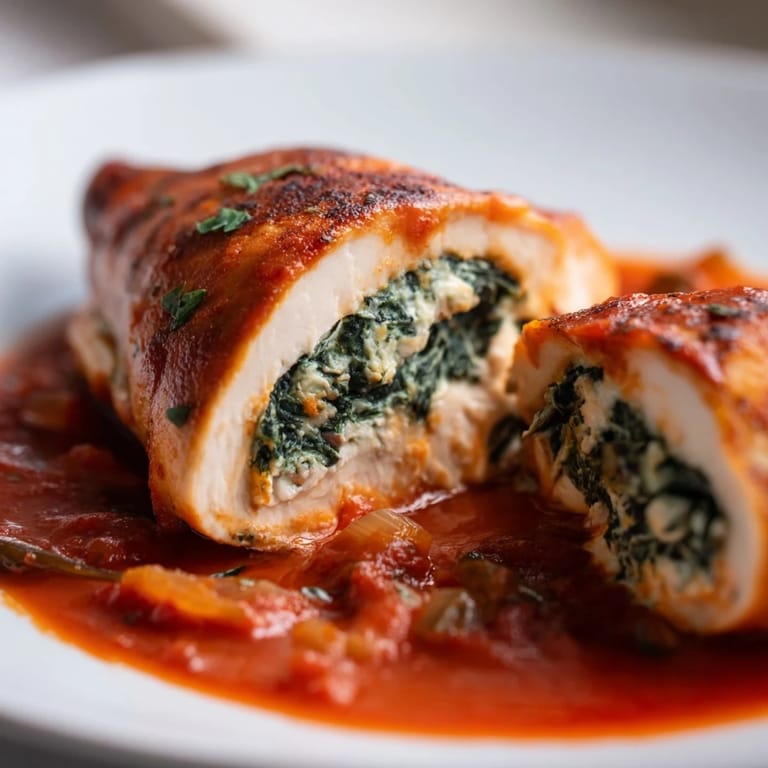
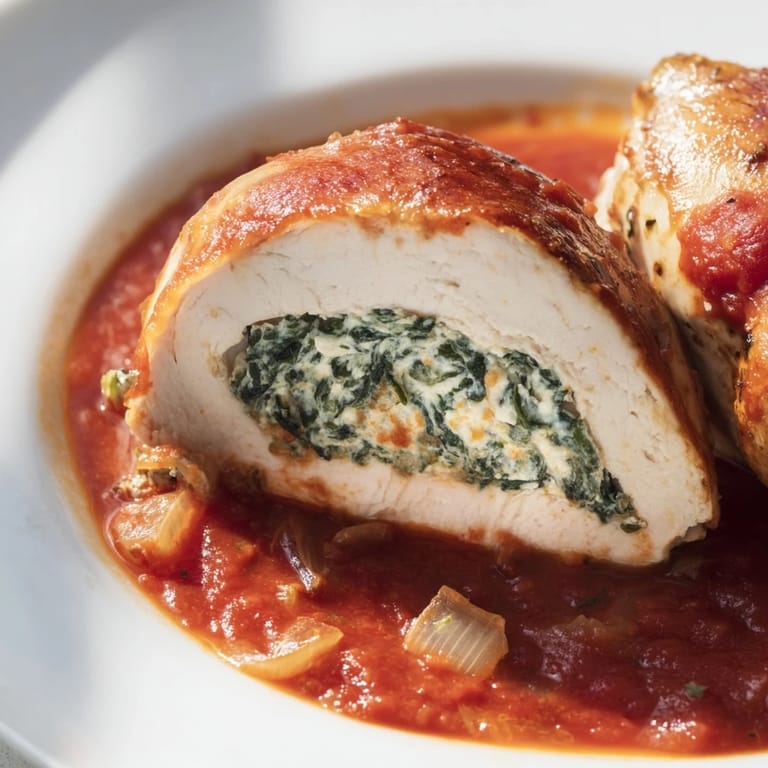
 My neighbor knocked on my door one Tuesday night holding a casserole dish wrapped in a towel. She'd just come back from visiting family in Tuscany and couldn't stop talking about this chicken dish her cousin made. I didn't have her cousin's exact recipe, but I had ricotta in the fridge and spinach wilting in the crisper, so I figured I'd try my own version. The smell of tomato sauce bubbling around those golden chicken breasts filled my kitchen with the kind of warmth that makes you forget it's a weeknight. That impromptu dinner became the recipe I now make whenever I want something that feels special without the fuss.
I made this for my brother's birthday last spring because he's picky about chicken and won't eat anything that tastes bland. He went back for seconds, then asked if I could teach his wife how to make it. Watching him scrape up every bit of that tomato sauce with bread made me realize this recipe had officially earned its place in my regular rotation. It's become my go-to whenever I need to prove that weeknight dinners don't have to be boring.
What's for Dinner Tonight? 🤔
Stop stressing. Get 10 fast recipes that actually work on busy nights.
Free. No spam. Just easy meals.
Ingredients
- Boneless, skinless chicken breasts: Choose breasts that are similar in size so they cook evenly, and if they're too thick, gently pound them to an even thickness before cutting the pocket.
- Ricotta cheese: Use whole milk ricotta for the creamiest filling, and drain any excess liquid by letting it sit in a fine mesh strainer for a few minutes.
- Fresh baby spinach: Chop it finely so it blends smoothly into the filling, and make sure it's dry or the mixture will be too watery.
- Parmesan cheese: Freshly grated Parmesan adds a nutty, salty depth that pre-shredded versions just can't match.
- Lemon zest: This small addition brightens the rich filling and keeps it from feeling too heavy.
- Crushed tomatoes: Go for a good quality canned variety with no added seasonings so you can control the flavor yourself.
- Garlic: Fresh garlic cloves make all the difference, both in the filling and the sauce.
- Dried Italian herbs and oregano: These bring that classic Italian comfort without needing a spice cabinet overhaul.
- Olive oil: Use it for searing the chicken and building the sauce base for a fruity, rich flavor.
Instructions
- Preheat and Prep:
- Set your oven to 375°F so it's ready when you need it. This gives you time to get everything else organized without rushing.
- Make the Filling:
- Mix the ricotta, chopped spinach, Parmesan, garlic, Italian herbs, lemon zest, salt, and pepper in a bowl until it's smooth and well combined. Taste it and adjust the seasoning now, because this is your chance to get it right.
- Prepare the Chicken:
- Use a sharp knife to carefully cut a horizontal pocket into each chicken breast, keeping one side intact so the filling doesn't spill out. Season both sides generously with salt and pepper.
- Stuff the Chicken:
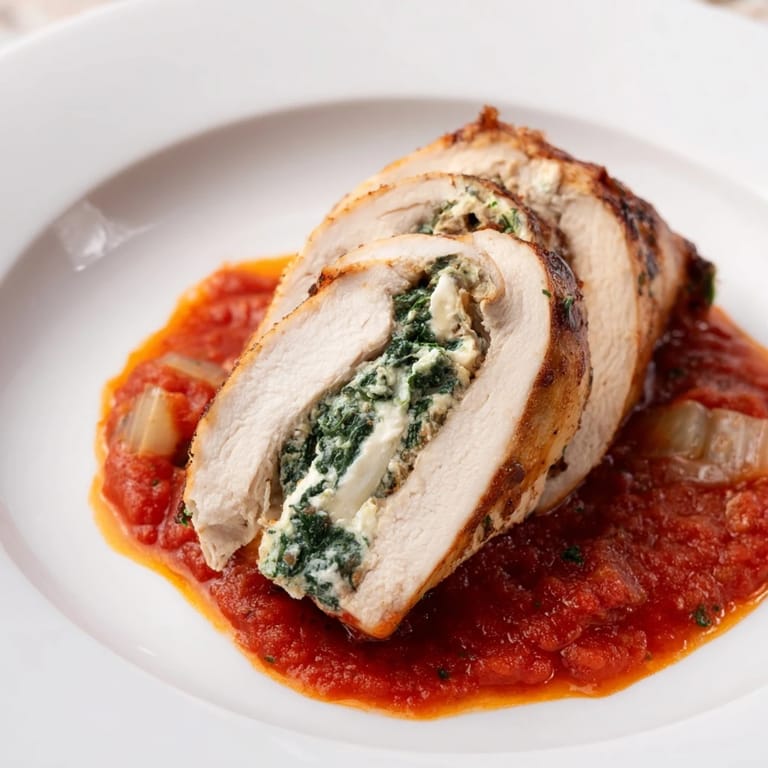
- Spoon the ricotta mixture into each pocket, pressing gently to fill it without overstuffing. Secure with toothpicks if the opening is wide or the filling seems loose.
- Sear the Chicken:
- Heat olive oil in an oven-safe skillet over medium-high heat and sear the stuffed breasts for 2 to 3 minutes per side until they're golden brown. This step locks in flavor and gives you a beautiful crust.
- Build the Sauce:
- In the same skillet, sauté the chopped onion until it's soft and translucent, about 3 minutes, then add the garlic and cook just until fragrant. Stir in the crushed tomatoes, oregano, sugar, salt, and pepper, and let it simmer for 5 minutes to deepen the flavors.
- Nestle and Bake:
- Place the seared chicken breasts back into the skillet, spooning some of the tomato sauce over the top. Transfer the whole skillet to the oven and bake uncovered for 20 to 25 minutes, or until the chicken reaches an internal temperature of 165°F.
- Finish and Serve:
- Remove the toothpicks carefully, sprinkle with extra Parmesan or fresh basil if you like, and serve hot with crusty bread or pasta. Let the chicken rest for a minute or two before slicing so the filling stays put.
 Save to Pinterest
 The first time I served this to my book club, I was nervous because half of them are serious home cooks. But when the conversation stopped and everyone just focused on eating, I knew I'd made something worth sharing. One friend actually texted me the next morning asking for the recipe, which is the highest compliment I can imagine. It's funny how a dish born out of leftover ingredients can become the one people remember.
Choosing the Right Chicken
I learned the hard way that not all chicken breasts are created equal. If you buy the massive ones, they take forever to cook through and the filling can start leaking before the meat is done. Look for medium-sized breasts, around 6 to 8 ounces each, and if they're uneven in thickness, use a meat mallet to gently pound the thicker end. This ensures everything cooks at the same rate and you don't end up with one dry piece and one undercooked piece. I also like to trim off any excess fat or loose bits before I start cutting the pocket, because it makes the whole process cleaner and the final presentation much nicer.
Perfecting the Filling
The filling is where you can really make this recipe your own, but there are a few tricks to getting it just right. I once added too much spinach without chopping it finely enough, and it made the filling chunky and hard to spread. Now I always chop the spinach small and squeeze out any extra moisture with a clean kitchen towel. If you want to mix things up, try adding sun-dried tomatoes, a pinch of nutmeg, or even some crumbled feta alongside the ricotta. Just remember that the filling should be thick enough to hold its shape but creamy enough to taste luxurious when you cut into the chicken.
Serving and Pairing Ideas
This dish is rich and satisfying on its own, but I love serving it over a bed of buttery pasta or alongside roasted vegetables like zucchini and bell peppers. A simple arugula salad with lemon vinaigrette cuts through the creaminess and adds a fresh contrast. For wine, a crisp Pinot Grigio is perfect, but if you prefer red, go for something light like a Chianti.
- Serve with crusty Italian bread to soak up every drop of that tomato sauce.
- Leftovers can be sliced and tucked into a sandwich with fresh mozzarella and basil.
- If you're feeding a crowd, double the recipe and use a large baking dish instead of a skillet.
 Save to Pinterest
 I hope this becomes one of those recipes you turn to when you want to feel like you've really cooked something special. It's forgiving, flexible, and always makes people happy.
Recipe Q&A
- → How do I prevent the chicken from drying out during baking?
Sear the stuffed chicken breasts for 2-3 minutes per side before baking to lock in moisture. Ensure your oven is properly preheated to 375°F and check for doneness at 20 minutes using a meat thermometer—the internal temperature should reach 165°F. Baking in the tomato sauce also helps keep the chicken moist.
- → Can I make this ahead and freeze it?
Yes, you can assemble the stuffed chicken breasts and freeze them on a baking sheet before transferring to an airtight container. When ready to cook, add 5-10 minutes to the baking time. Alternatively, prepare the filling ahead and refrigerate for up to 2 days before stuffing the chicken.
- → What substitutions work for the filling?
Kale or Swiss chard work well in place of spinach. You can use part-skim ricotta for a lighter version or substitute with a mixture of cream cheese and mozzarella. For different flavors, add sun-dried tomatoes, pine nuts, or fresh basil to the filling.
- → How do I secure the chicken without toothpicks?
You can use kitchen twine to tie the chicken closed or skip securing altogether if you carefully cut and stuff the pocket. Some cooks prefer to pound the chicken into a butterfly shape and fold it over. The filling should be thick enough to hold in place during searing and baking.
- → Can I use fresh tomatoes instead of canned?
Yes, you can substitute 2 cups of fresh tomato puree or 4-5 fresh tomatoes, blended or chopped, for the canned tomatoes. Fresh tomatoes may be slightly more watery, so consider simmering the sauce a bit longer to reduce and concentrate the flavors.
- → What wine pairs best with this dish?
A crisp Pinot Grigio, Vermentino, or light Chianti complements the creamy filling and tomato sauce beautifully. The acidity in white wines cuts through the richness of the ricotta, while lighter reds like Pinot Noir also work well without overpowering the delicate chicken flavors.