
 Save to Pinterest
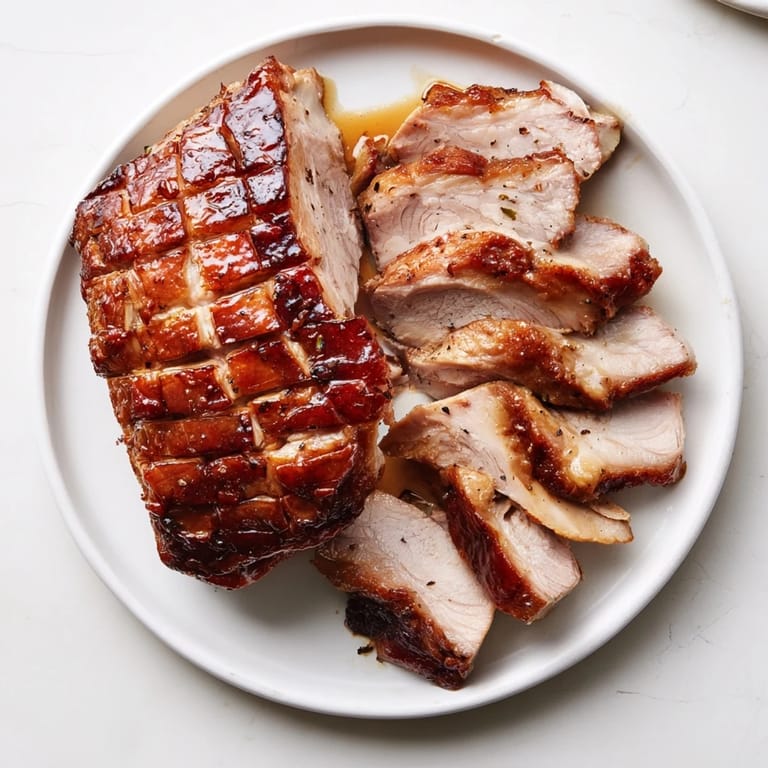
 I wasn't planning on making anything fancy that Sunday, but then I spotted a beautiful pork shoulder at the butcher counter and something just clicked. The butcher told me to score the skin deep and not rush it, advice I'm grateful for every time I pull this from the oven. What started as an experiment turned into the dish I make when I want the house to smell like comfort and the dinner to feel like an event.
The first time I served this, I watched my brother-in-law go completely quiet after his first bite, then immediately reach for seconds. He's not usually one to get emotional about food, but he later told me it reminded him of Sunday dinners at his grandmother's farmhouse. I've made it for birthdays, holidays, and one memorable rainy Saturday when we just needed something soul-warming.
What's for Dinner Tonight? 🤔
Stop stressing. Get 10 fast recipes that actually work on busy nights.
Free. No spam. Just easy meals.
Ingredients
- Bone-in pork shoulder: The bone adds flavor and helps the meat stay juicy during the long roast, and scoring the skin is your ticket to that shatteringly crisp crackling.
- Olive oil: Helps the seasoning stick and encourages the skin to render and crisp beautifully.
- Kosher salt and black pepper: Simple seasoning lets the pork shine, and kosher salt's coarse texture is perfect for creating that flavorful crust.
- Onion and garlic: They roast underneath, flavoring the drippings and perfuming the meat from below.
- Fresh rosemary and thyme: Woody herbs that can handle the long cooking time and infuse the pork with earthy, aromatic notes.
- Apple cider: The backbone of the glaze, it reduces into a concentrated sweet-tart syrup that clings to every bite.
- Apple cider vinegar: Adds sharpness and helps balance the sweetness, keeping the glaze from feeling heavy.
- Dijon mustard: Brings tang and a subtle heat that deepens the glaze's complexity.
- Light brown sugar: Encourages caramelization and rounds out the glaze with a gentle molasses warmth.
- Unsalted butter: Whisked in at the end, it gives the glaze a silky, glossy finish.
Instructions
- Prep the pork:
- Pat that shoulder completely dry with paper towels, then massage it all over with olive oil, salt, and pepper until every inch is coated. This is your flavor foundation, so don't be shy.
- Build the aromatic base:
- Toss the onion quarters, smashed garlic, and herb sprigs into your roasting pan and nestle the pork on top, skin side up. Those aromatics will perfume the meat and create the most delicious pan drippings.
- Slow roast:
- Slide the pan into a 300°F oven and let it go for 4 hours, basting with the pan juices every hour. The low heat breaks down the connective tissue, turning tough shoulder into melt-in-your-mouth tenderness.
- Make the cider glaze:
- While the pork roasts, combine cider, vinegar, mustard, brown sugar, and pepper in a saucepan and bring it to a boil. Reduce the heat and simmer until it thickens and reduces by half, then whisk in the butter until it's smooth and glossy.
- Finish with fire:
- After 4 hours, crank the oven to 425°F and brush the pork generously with glaze. Roast for another 20 to 30 minutes, brushing once more halfway through, until the skin is deep golden and caramelized.
- Rest and serve:
- Let the pork rest loosely covered with foil for 20 minutes so the juices redistribute. Slice or shred, then drizzle with the remaining warm glaze.
 Save to Pinterest
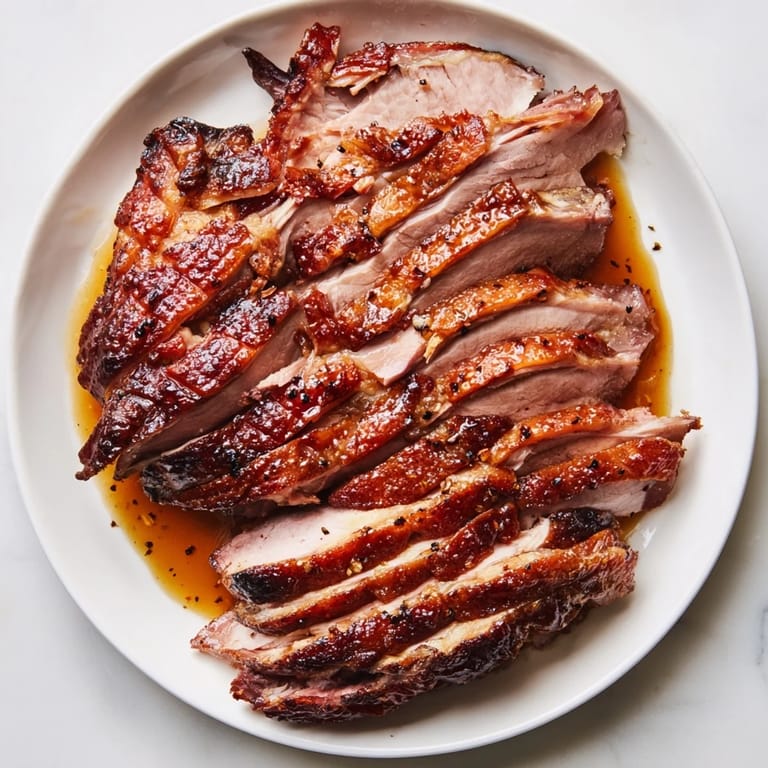
 There's a moment when you pull this from the oven and everyone gathers around, drawn by the smell and the sight of that glossy, bronzed skin. It's one of those dishes that makes people linger at the table, savoring seconds and talking late into the evening. Food like this doesn't just feed, it gathers.
Getting the Crackling Right
The secret to perfect crackling is starting with completely dry skin and scoring it deeply enough to let the fat render out. If your skin isn't crisping up in the final high-heat blast, don't panic, just slide it under the broiler for 2 to 3 minutes and watch it transform into golden shards. I learned this trick after one too many disappointing attempts, and now I use it every time for insurance.
What to Serve Alongside
I love pairing this with roasted root vegetables or creamy mashed potatoes that can soak up the glaze. A crisp apple slaw adds brightness and crunch that contrasts beautifully with the rich pork. One time I served it with nothing but good bread and a simple green salad, and it was perfect, sometimes less really is more.
Making It Your Own
If you want a deeper, more complex glaze, swap the apple cider for hard cider, it adds a subtle fermented note that's really lovely. You can also play with the herbs, sage works beautifully in place of rosemary if you want a more autumnal feel. I've even added a teaspoon of smoked paprika to the rub when I wanted a hint of smokiness without firing up the grill.
- For a spicier kick, add a pinch of red pepper flakes to the glaze.
- If you don't have fresh herbs, dried will work in a pinch, just use half the amount.
- Leftovers make incredible sandwiches, tacos, or stirred into scrambled eggs the next morning.
 Save to Pinterest
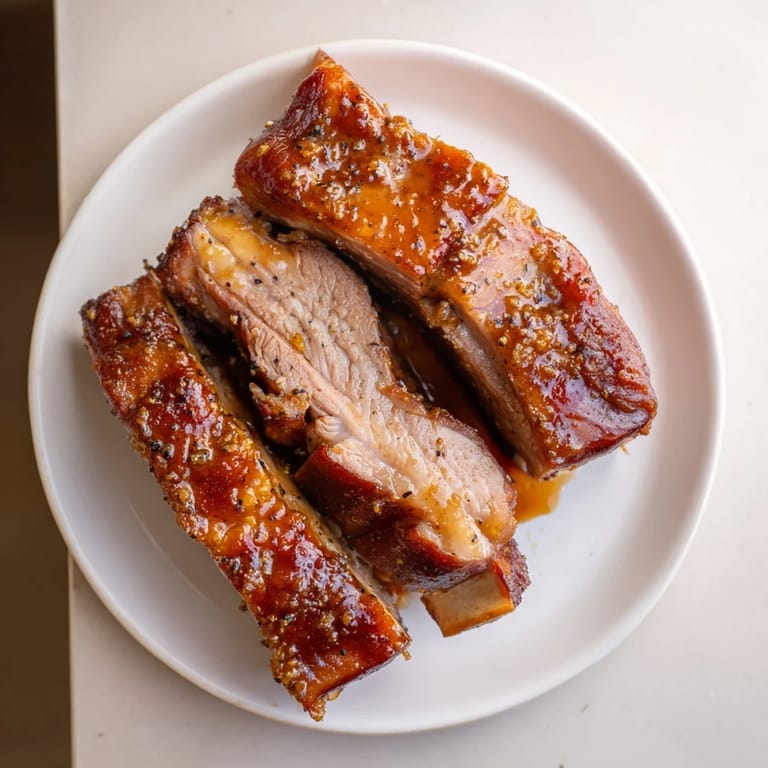
 This pork shoulder has become my go-to when I want to cook something that feels generous and unhurried, the kind of meal that rewards patience. I hope it brings as much warmth to your table as it has to mine.
Recipe Q&A
- → How long should the pork shoulder be roasted?
Roast the pork shoulder uncovered for 4 hours at a low temperature, then increase to caramelize the glaze for an additional 20–30 minutes.
- → What is the purpose of scoring the pork skin?
Scoring helps the seasoning penetrate and allows the skin to crisp up during roasting for a delicious texture contrast.
- → How is the apple cider glaze prepared?
Simmer apple cider, cider vinegar, Dijon mustard, brown sugar, and black pepper until reduced and thickened, then whisk in butter for a smooth finish.
- → Can the glaze be adjusted for different flavors?
Yes, substituting hard cider adds complexity, and adjusting sugar or mustard alters sweetness and tanginess to taste.
- → What sides pair well with this dish?
Roasted root vegetables, mashed potatoes, or a crisp apple slaw complement the rich pork and tangy glaze beautifully.