 Save to Pinterest
 The smell of cinnamon and butter browning in the oven used to pull me out of bed faster than any alarm clock. My sister discovered this recipe during a snowstorm when we had nowhere to go and nothing but time. We rolled the dough out on the kitchen table, flour dusting the floor, laughing every time the butter squished out the sides. Those rolls didnt look perfect, but they tasted like the best kind of Sunday morning.
I made these for my daughters birthday breakfast once, and she refused to blow out the candles until everyone had a roll in hand. We sang off key, glaze on our fingers, and she declared it better than cake. Now every birthday starts this way in our house. Its become the kind of tradition that sneaks up on you, born out of one impulsive morning and too much love for cinnamon.
What's for Dinner Tonight? 🤔
Stop stressing. Get 10 fast recipes that actually work on busy nights.
Free. No spam. Just easy meals.
Ingredients
- All purpose flour: This creates the perfect tender crumb, but if you want an even softer roll, swap in bread flour for a little extra chew and structure.
- Active dry yeast: Make sure your milk is warm, not hot, or youll kill the yeast before it even wakes up, learned that one the hard way.
- Warm milk: The right temperature is key, it should feel like bathwater on your wrist, cozy but not scalding.
- Granulated sugar: Feeds the yeast and adds just enough sweetness to balance the rich butter and cinnamon.
- Unsalted butter, melted: Use unsalted so you control the salt level, plus melted butter blends into the dough like a dream.
- Eggs, room temperature: Cold eggs can shock the dough, so let them sit on the counter while you measure everything else.
- Salt: Just a teaspoon, but it wakes up all the other flavors and keeps the sweetness from going flat.
- Light brown sugar: The molasses in brown sugar makes the filling deep and caramel like, way better than plain white sugar.
- Ground cinnamon: Use the good stuff if you can, stale cinnamon tastes like dust and these rolls deserve better.
- Unsalted butter, very soft for filling: It needs to spread easily without tearing the dough, so leave it out until its almost melty.
- Cream cheese, softened: This is what makes the glaze tangy and luxurious instead of just sweet, dont skip it.
- Powdered sugar, sifted: Sifting prevents lumps in your glaze, and nobody wants gritty frosting on a fluffy roll.
- Vanilla extract: A little vanilla rounds out the glaze and makes everything smell like a hug.
- Milk for glaze: Add it slowly until the glaze is thick but pourable, you want it to drip down the sides just a little.
Instructions
- Wake up the yeast:
- Dissolve the yeast in warm milk with a tablespoon of sugar, then wait until it gets frothy and alive, about five to seven minutes. If nothing happens, your milk was too hot or your yeast was too old, start over.
- Mix the dough:
- Stir in the remaining sugar, melted butter, eggs, and salt until everything is combined and smells rich. Gradually add the flour, mixing until a soft, slightly sticky dough comes together.
- Knead until smooth:
- Turn the dough onto a floured surface and knead for six to eight minutes, until its smooth, elastic, and springs back when you poke it. This is where the magic happens, so dont rush it.
- Let it rise:
- Place the dough in a greased bowl, cover it with a towel, and let it rise in a warm spot until doubled, about an hour. I usually set mine near the oven or in a sunny window.
- Roll it out:
- Punch down the dough to release the air, then roll it into a 16 by 12 inch rectangle on a lightly floured surface. Try to keep the edges even so your rolls bake uniformly.
- Spread the filling:
- Smooth the soft butter all over the dough, then sprinkle the brown sugar and cinnamon mixture evenly across the top. Dont be shy, this is where all the flavor lives.
- Roll it up tight:
- Starting from a long edge, roll the dough up as tightly as you can without squishing it, then pinch the seam to seal. A tight roll means pretty swirls in every slice.
- Slice into rolls:
- Cut the log into 12 equal pieces using a sharp knife or unflavored dental floss, which works surprisingly well and keeps the rolls from squashing. Place them in a greased 9 by 13 inch baking dish.
- Second rise:
- Cover the rolls and let them rise again until theyre puffy and nearly doubled, about 35 to 45 minutes. This step makes them pillowy soft, so be patient.
- Bake until golden:
- Preheat your oven to 350 degrees Fahrenheit and bake the rolls for 22 to 25 minutes, until the tops are golden brown and your kitchen smells like heaven. Dont overbake or theyll dry out.
- Make the glaze:
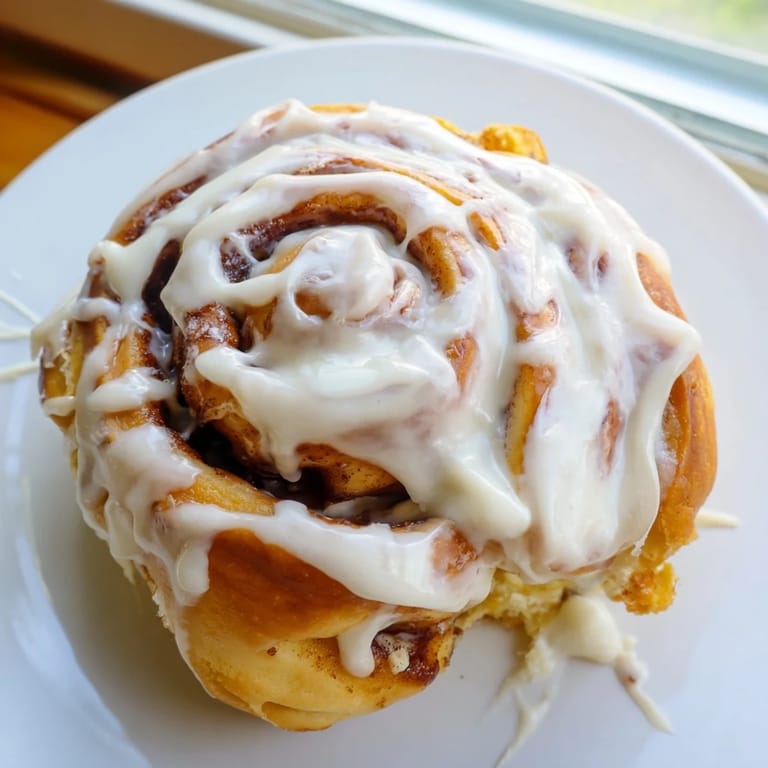
- While the rolls bake, beat together the cream cheese, butter, powdered sugar, vanilla, and enough milk to make a thick, spreadable glaze. Taste it and adjust the sweetness if you need to.
- Glaze while warm:
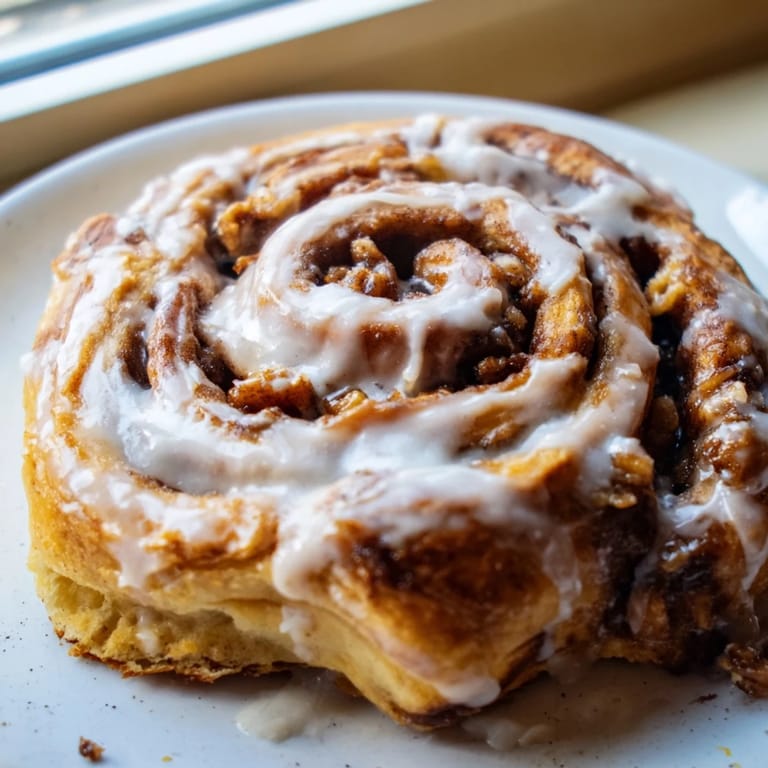
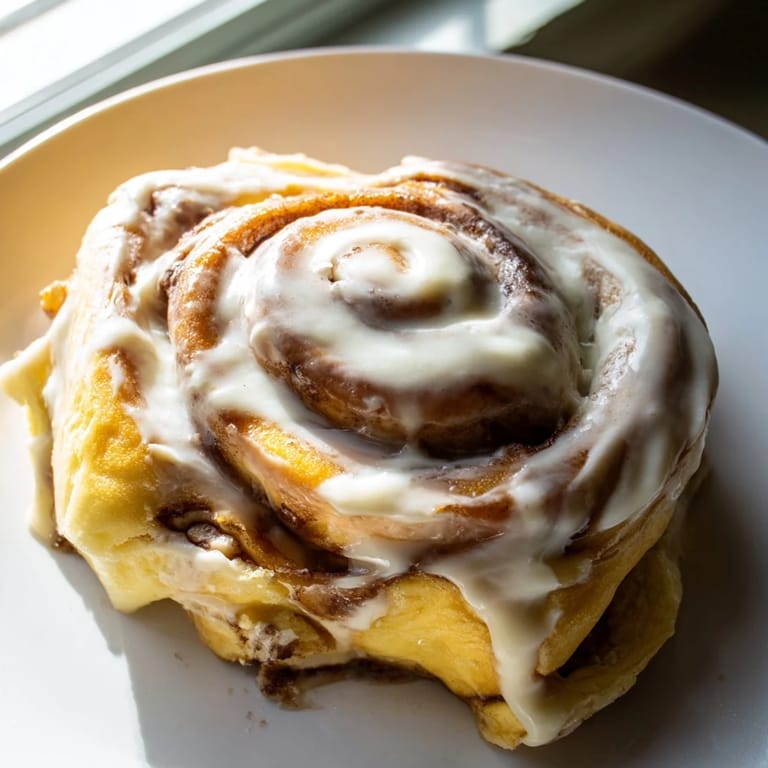
- Let the rolls cool for about 10 minutes, then spread the glaze generously over the top while theyre still warm so it melts into all the cracks. Serve immediately and watch them disappear.
 Save to Pinterest
 I brought a pan of these to a potluck once, and someone asked if I bought them from a bakery. I didnt know whether to be flattered or offended, but I took it as a compliment. That night, three people texted me for the recipe. These rolls have a way of turning casual brunches into events and quiet mornings into celebrations.
Make Ahead Magic
You can assemble these rolls the night before and let them do their second rise in the fridge overnight. In the morning, pull them out, let them sit at room temperature for about an hour while your oven preheats, then bake as usual. This trick has saved me more than once when I wanted fresh rolls without the early morning chaos. The cold rise actually develops more flavor, so theyre even better the next day.
Filling Variations
Once you master the basic cinnamon filling, you can play around with add ins like chopped pecans, toasted walnuts, or a handful of raisins. I tried adding a thin layer of maple syrup under the cinnamon once, and it turned into a sticky, caramelized masterpiece. You can also swap half the cinnamon for cardamom if you want something a little unexpected and warmly spiced. Just dont overload the filling or it will ooze out during baking and make a mess.
Storing and Reheating
These rolls are best eaten warm and fresh, but leftovers can be stored in an airtight container at room temperature for up to two days. If you want to reheat them, wrap individual rolls in a damp paper towel and microwave for 20 seconds, or warm the whole pan in a 300 degree oven for about 10 minutes. The glaze might soak in a bit as they sit, but that just makes them taste richer.
- Freeze unbaked rolls after shaping, then thaw and rise before baking for an anytime treat.
- Reheat gently to avoid drying them out, a little moisture goes a long way.
- Leftover rolls make incredible bread pudding if you have the willpower not to eat them all.
 Save to Pinterest
 Every time I pull these out of the oven, I remember why I fell in love with baking in the first place. Theres something about turning flour and butter into something this comforting that feels like pure magic.
Recipe Q&A
- → How do I ensure my cinnamon rolls stay soft?
Use bread flour instead of all-purpose for extra tenderness, don't overbake (22-25 minutes is ideal), and apply the glaze while rolls are still warm. Proper rising time also contributes to that pillowy texture.
- → Can I prepare these ahead of time?
Yes! Shape the rolls the night before, cover tightly, and refrigerate. The next morning, let them rise at room temperature for about 1 hour before baking. This actually improves flavor through slow fermentation.
- → What's the best way to slice the rolls without squishing them?
Use a sharp serrated knife with a gentle sawing motion, or try unflavored dental floss held taut. Cut while dough is still slightly warm but set. This prevents compression and yields clean, attractive pieces.
- → How do I get the dough to rise properly?
Place dough in a warm, draft-free location. The ideal temperature is around 75-80°F. A turned-off oven with the light on, or a proofing box works well. Cover to prevent drying, and it should double in about 1 hour.
- → Can I add nuts or dried fruit to the filling?
Absolutely! Chopped pecans, walnuts, or raisins complement the cinnamon beautifully. Add them to the filling before rolling. Toast nuts first for enhanced flavor and prevent sogginess by adding them toward the end of spreading.
- → What's the difference between using melted versus softened butter?
Melted butter in the dough creates a tender crumb, while softened butter for the filling spreads evenly without tearing the dough. Using the correct form ensures proper texture and prevents the filling from leaking during baking.