
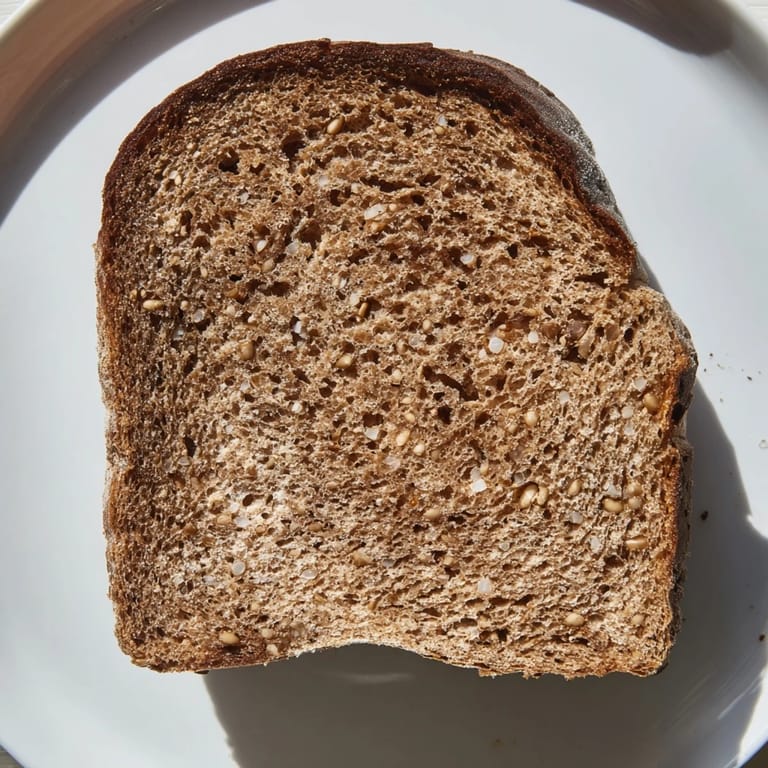
 Save to Pinterest
 My grandmother pulled a dark, glossy loaf from her oven one winter morning, and the smell alone transported me back to her kitchen in Latvia. The first slice, still warm, practically melted under the weight of salted butter. I didn't understand then why she insisted on the long overnight rise, why caraway seeds mattered so much, or why this bread tasted like nothing I'd had before. Years later, trying to recreate it, I finally got it—rupjmaize isn't rushed, and it rewards patience with flavor that deepens the longer it sits on your counter.
I made this bread for a potluck once, nervous it wouldn't be impressive enough alongside all the store-bought contributions. When I sliced it at the table and people reached for seconds, asking what it was, I felt oddly proud—not because I'd done anything fancy, but because something so simple and honest had clearly struck a chord. That's when I realized rupjmaize isn't about showing off; it's about showing up with something real.
What's for Dinner Tonight? 🤔
Stop stressing. Get 10 fast recipes that actually work on busy nights.
Free. No spam. Just easy meals.
Ingredients
- Dark rye flour (500 g): This is where the bread's personality lives—rich, earthy, and slightly sweet on its own. Don't skip it for all-purpose flour; the difference is everything.
- Bread flour (100 g): Adds just enough structure so the loaf holds its shape without becoming tough or dense.
- Active dry yeast (1 packet, 7 g): The long rise means you don't need much; it works slowly and steadily.
- Warm water (350 ml): Lukewarm, not hot—around the temperature of a comfortable bath. Too hot kills the yeast; too cool and it falls asleep.
- Molasses or dark honey (2 tbsp): Beyond sweetness, this deepens the crust color and adds a subtle complexity that makes people ask what's in it.
- Salt (2 tsp): Strengthens the dough and balances the caraway's assertiveness.
- Caraway seeds (2 tsp): Toast them lightly first if you want to lean into nuttiness, or use them raw if you prefer a gentler spice note.
- Vegetable oil (1 tbsp plus extra for greasing): Keeps the dough tender and the crust soft enough to slice without a saw.
Instructions
- Wake the yeast:
- Pour warm water into a bowl, stir in molasses, sprinkle yeast over top, and wait. After 10 minutes, you'll see foam building on the surface—this is your signal that the yeast is alive and ready.
- Bring the dough together:
- Add rye flour, bread flour, salt, and caraway seeds to the yeast mixture. Stir with a wooden spoon until everything is shaggy and combined; it'll look rougher than dough you're used to, and that's correct.
- Knead gently:
- Drizzle in the oil and knead by hand or machine for 5 to 7 minutes until the dough is smooth and elastic. It will remain sticky—rye dough should feel almost like thick batter, not a tight ball.
- The long sleep:
- Shape into a ball, place in an oiled bowl covered with plastic wrap or a damp towel, and let it rise at room temperature for 12 to 16 hours. This slow rise is where all the flavor develops; don't rush it.
- Shape and proof:
- Turn the dough onto a lightly floured surface, shape into a round or oval, and place on parchment paper or a greased loaf pan. Cover loosely and let it puff for 45 to 60 minutes while you preheat the oven to 220°C.
- Dust and bake:
- Sprinkle the top generously with rye flour and optionally score with a sharp knife. Bake for 45 to 50 minutes in the center of the oven until the crust is deep brown and the bottom sounds hollow when tapped.
- Cool completely:
- Transfer to a wire rack and resist slicing for at least an hour—the crumb needs time to set. Once cool, slice thick and toast if you like the crust extra crispy.
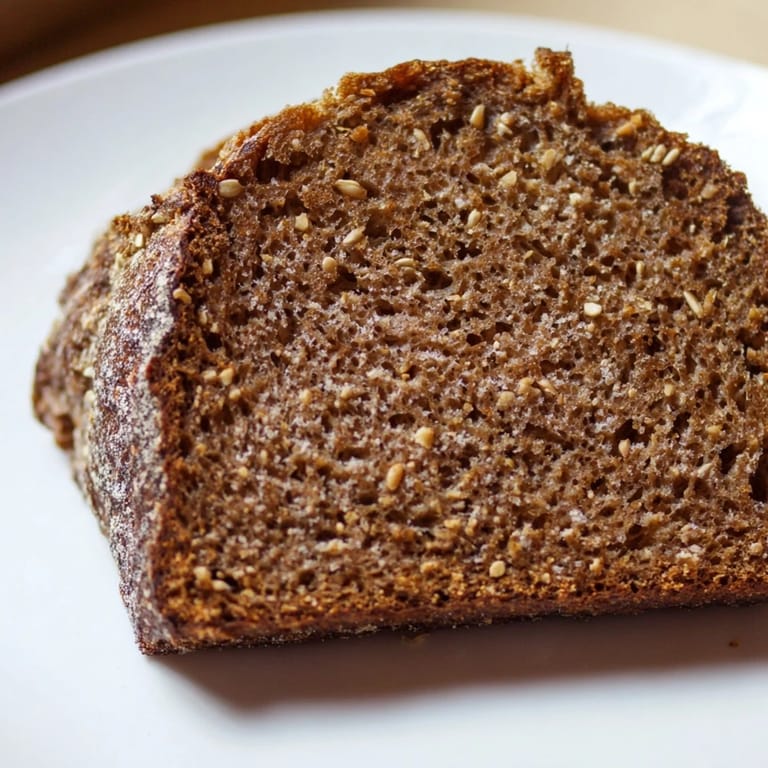 Save to Pinterest
 The day I finally understood rupjmaize was the day I stopped overthinking it. I had a slice toasted with butter and smoked salmon, sitting at my kitchen table while snow fell outside, and suddenly the bread made perfect sense. It's humble and unshowy, but it tastes like someone cares.
Why the Overnight Rise Matters So Much
A long, slow fermentation isn't a shortcut—it's the opposite. The yeast works gently through the night, developing acids and flavors that quick rising can't replicate. This is why your loaf tastes complex and almost slightly tangy, like it's been thinking about itself for hours. It's also why you can get away with so little yeast; patience does the heavy lifting.
Serving and Storage
Fresh rupjmaize is stunning on its own with good salted butter, but it truly shines as a foundation for other flavors. Pair it with smoked fish, pickled vegetables, sharp cheeses, or hearty soups. The dense crumb holds up to anything you put on it. Once baked, this bread keeps for three or four days wrapped at room temperature, and it actually improves slightly as it ages. Slice it thick before freezing—thawed slices toast back to near-fresh texture, which is perfect for weekday mornings when you want something substantial and real.
The Caraway Question
Caraway is polarizing, and that's part of its charm. If you've never used it before, start with the full amount—it adds a warm, almost licorice-adjacent spice that feels essential once you're used to it. If you toast the seeds lightly in a dry pan before mixing, you'll coax out nuttier notes and dull any harshness. Some people swear by omitting caraway entirely if they're introducing someone to rye bread for the first time, and that's a valid instinct. The bread stands alone beautifully either way.
- Toast caraway seeds in a dry skillet for 2 minutes before adding them to deepen their flavor.
- If caraway isn't your thing, try fennel seeds or omit them entirely—the bread is delicious either way.
- Add a touch more molasses if you want the bread slightly sweeter, which can mellow the caraway's intensity.
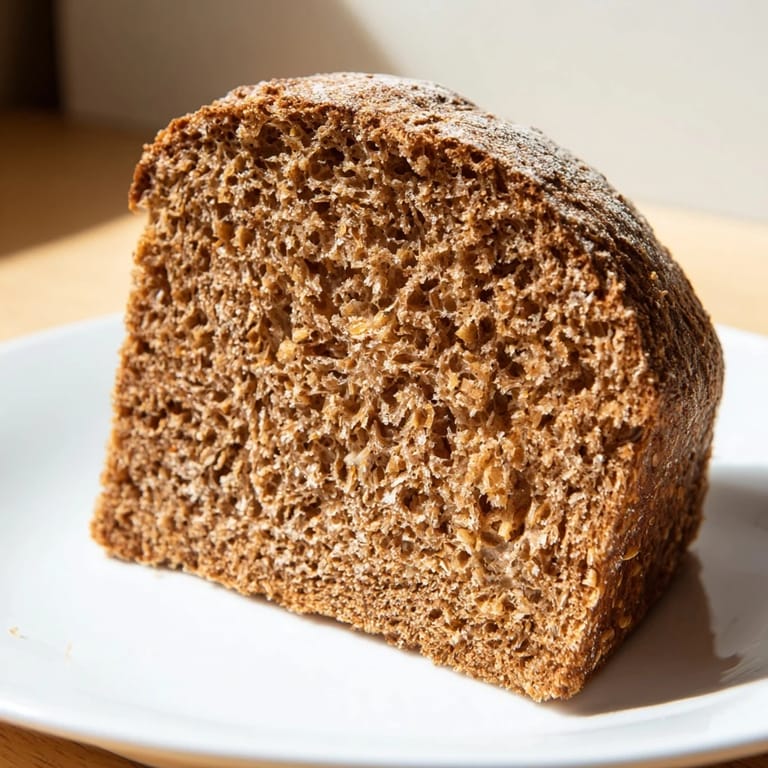 Save to Pinterest
 Rupjmaize tastes like generosity baked into a loaf. Once you've made it once, you'll keep making it, not because it's difficult, but because something about it feels right.
Recipe Q&A
- → What gives Rupjmaize its distinct flavor?
The rich flavor comes from dark rye flour combined with caraway seeds and a long fermentation process enhancing depth.
- → How long should the dough rise before baking?
Allow the dough to rise for 12–16 hours at room temperature, then a second rise of 45–60 minutes after shaping.
- → Can I use different sweeteners in the dough?
Molasses or dark honey contributes subtle sweetness and moisture; either works well and may be adjusted to taste.
- → What baking temperature is recommended for this bread?
Preheat the oven to 220°C (425°F) and bake the loaf for 45–50 minutes until the crust is deeply browned.
- → How should the bread be served for best taste?
Slice and toast before serving; enjoy with butter, smoked fish, or hearty stews to complement the robust loaf.
- → Is it necessary to toast caraway seeds before adding?
Lightly toasting caraway seeds enhances their nuttiness but is optional based on preference.