
 Save to Pinterest
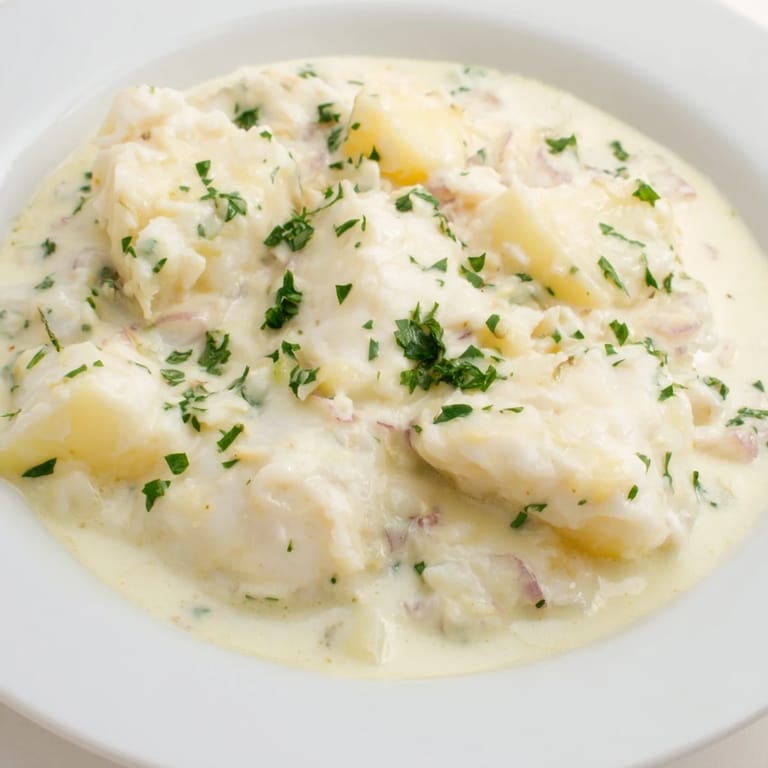
 Years ago, a friend brought me a thermos of something warming on a freezing ferry ride to the Westfjords, and it changed how I think about comfort food. That first spoonful—creamy, gentle, with flakes of fish and soft potato—made everything feel manageable again. I've been chasing that same quiet magic in a bowl ever since, and this Icelandic fish stew is as close as I've gotten. There's no fuss, no pretense, just the kind of cooking that wraps around you when the weather turns dark.
I made this for my partner on an unexpectedly rough day, not thinking much about it, just knowing we both needed something warm and uncomplicated. Watching them close their eyes on that first taste and actually relax their shoulders told me everything—this stew does what good food is supposed to do. It doesn't announce itself, it just holds you steady.
What's for Dinner Tonight? 🤔
Stop stressing. Get 10 fast recipes that actually work on busy nights.
Free. No spam. Just easy meals.
Ingredients
- Cod or haddock fillets (500 g): White fish is essential here—it should flake into delicate, tender pieces without falling apart entirely, which means you want something substantial enough to handle a gentle poach.
- Butter (60 g): This builds the base for the onion and creates a bridge between the fish and the cream, so don't skimp or substitute with oil.
- Whole milk and heavy cream (500 ml milk, 100 ml cream): The milk keeps it from being too rich, but the cream is what makes it taste like comfort—you need both proportions.
- Potatoes (500 g): Choose something waxy that won't dissolve into the broth; you're looking for pieces that hold their shape even as they soften.
- Onion (1 medium): Finely chopped means it disappears almost entirely into the base, becoming sweetness rather than texture.
- Fresh parsley and chives: Add these near the end so they stay bright and alive; cooking them too long turns them gray and bitter.
- Bay leaf, salt, white pepper, and nutmeg: A single bay leaf scents the poaching liquid without overwhelming it, and just a whisper of nutmeg lifts everything without announcing itself.
Instructions
- Start the potatoes first:
- Cut them into roughly bite-sized pieces and drop them into a pot of already-boiling salted water—this means they cook evenly and won't turn waterlogged. The water should taste like the sea, so don't be shy with salt.
- Poach the fish gently:
- Barely simmering water is the secret; any aggressive bubbling will shred the fish into submission. Watch for that moment when it turns from translucent to opaque—that's your signal to stop.
- Build the base:
- Melt the butter over medium heat and let the onion get soft and just barely golden; this takes about five minutes and fills the kitchen with that cozy, sweet smell that signals something good is happening.
- Mash gently:
- Add the drained potatoes and crush them just enough to break some apart while leaving others whole—this creates a natural, creamy texture without the need for a blender.
- Bring it together:
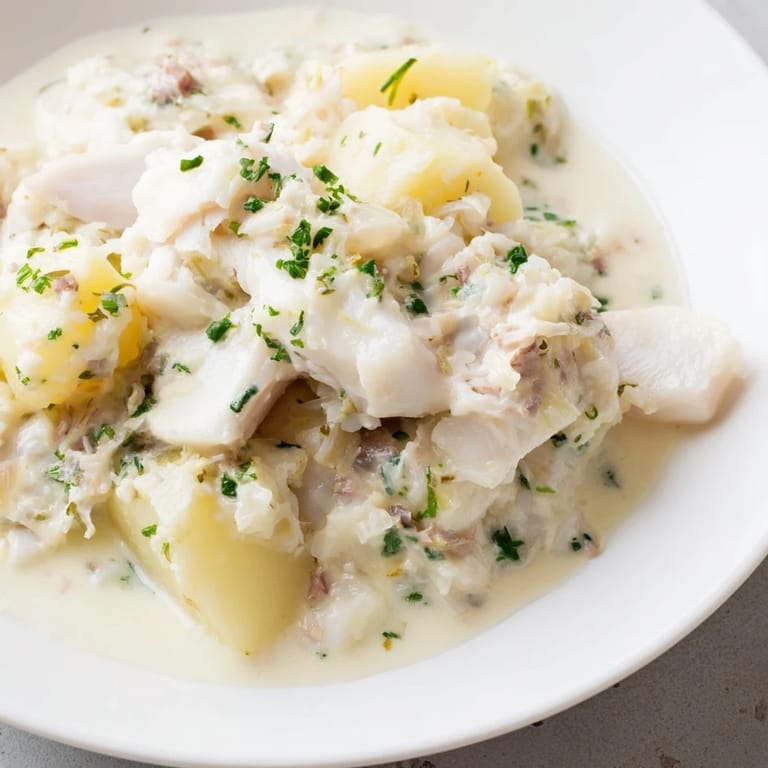
- Flake the cooled fish into the pot with that reserved poaching liquid, and stir everything as if you're folding rather than mixing, so nothing breaks into fragments.
- Make it creamy:
- Pour in the milk and cream, then keep the heat low and stir constantly until steam rises and it tastes warm and rich. The moment it starts to bubble, pull it back—boiling will break the cream and make everything grainy.
- Season and finish:
- Taste before you add salt because both the fish water and the butter brought some already; add white pepper for a subtle bite, then stir in half the herbs, saving the rest to scatter on top as garnish.
 Save to Pinterest
 My neighbor once asked why I kept making this same stew, and I realized then that it wasn't about novelty—it was about reliability. Some dishes are meant to be made again and again, until they become part of how you take care of the people you cook for.
The Texture Question
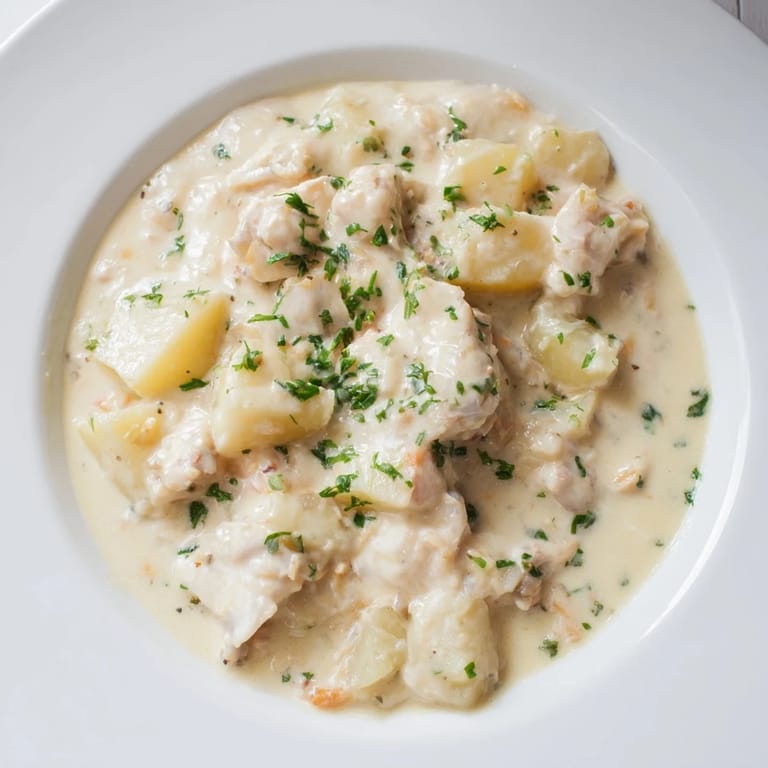
The soul of this stew lives in the texture contrast—tender but not mushy potatoes, flakes of fish that stay intact, a creamy broth that tastes luxurious but isn't heavy. Don't blend it, don't over-mash it, and don't cook it longer than you have to. The moment everything is heated through and the flavors have found each other is when you stop.
Why Cream Matters
You could technically make this with milk alone, and it would still be warm and comforting, but that touch of cream is the difference between a soup and something worth remembering. It rounds out the fish, softens the sharp edges of the white pepper, and makes the whole thing feel intentional rather than accidental.
Serving and Storage
Serve this in a wide bowl so you get a proper amount of broth with each spoonful, and scatter the reserved herbs on top so they stay green and fresh. A thick slice of dark rye bread—especially the traditional Icelandic kind—is almost mandatory; it soaks up the cream in a way that feels deeply right. This stew actually improves the next day after the flavors have settled, so don't hesitate to make it ahead.
- Reheat gently on the stove with a splash of milk if it's thickened too much.
- Store in the refrigerator for up to three days, and freeze for longer if you want to preserve that moment when everything felt manageable.
- Add the fresh herbs only when serving if you're reheating, so they don't fade.
 Save to Pinterest
 This stew has a way of making ordinary days feel less ordinary, of turning a chilly evening into something worth savoring. That's the real recipe right there.
Recipe Q&A
- → What types of fish work best for this stew?
Lean, white fish like cod or haddock work best for a tender, flaky texture without overpowering the creamy broth.
- → Can I use other herbs besides parsley and chives?
Yes, fresh dill or thyme complement the flavors well and can be used depending on your preference.
- → How should the potatoes be prepared for the stew?
Potatoes are peeled, diced, and boiled until tender, then gently mashed to add texture to the stew.
- → Is it necessary to use both milk and cream?
Using both adds richness and creaminess, but you can omit cream for a lighter version and still enjoy a smooth result.
- → What is the purpose of reserving fish poaching liquid?
The reserved poaching liquid adds subtle fish flavor and moisture when combined with the potatoes and milk base.
- → Can smoked fish be used in this dish?
Yes, smoked fish can add a deeper, smoky flavor, enhancing the overall taste complexity.