 Save to Pinterest
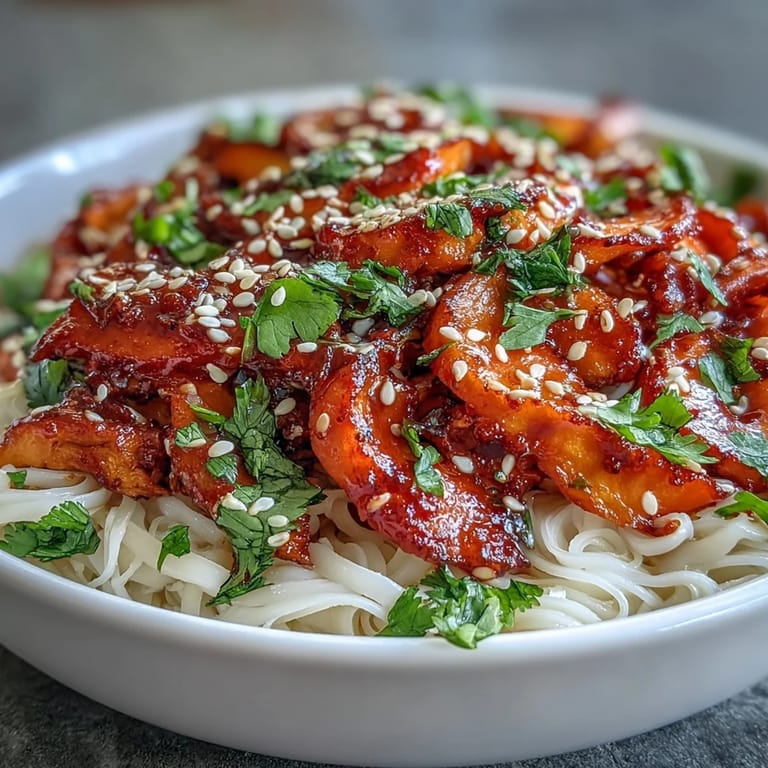
 My kitchen smelled like roasted earth and sesame the first time I tried turning swede into noodles. I'd bought one on a whim at the market, intrigued by its heft and pale flesh, and had no idea what to do with it until I remembered a spiralizer buried in my cupboard. The ribbons came out uneven, some thick, some paper-thin, but when they hit the hot oven they crisped and caramelized in a way that made me forget I wasn't eating actual pasta. That night, I tossed them with gochujang I'd been hoarding since a trip to a Korean grocery, and the sweet-spicy gloss transformed everything.
I made this for a friend who claimed she hated swede after a childhood of boiled, mushy Sunday dinners. She eyed the bowl suspiciously, then took a bite and went quiet. By the time she finished her second helping, she admitted she'd been wrong about swede her whole life. We sat on my tiny balcony with our bowls balanced on our knees, the noodles slippery and sweet, the spring onions giving little bursts of sharpness. It became our unofficial comfort meal after long weeks.
What's for Dinner Tonight? 🤔
Stop stressing. Get 10 fast recipes that actually work on busy nights.
Free. No spam. Just easy meals.
Ingredients
- Swede (rutabaga): Choose one that feels heavy for its size with smooth, unblemished skin, and peel it thickly to remove the waxy outer layer.
- Rice noodles: These soak up the dressing beautifully and stay silky, but you can swap them for soba or even zucchini noodles if you want to go lighter.
- Gochujang: This fermented chili paste is the soul of the dish, offering umami, sweetness, and heat all at once.
- Maple syrup: It balances the heat and saltiness, but honey or agave work just as well if that's what you have.
- Sesame oil: A little goes a long way, so use toasted sesame oil for that nutty, aromatic finish.
- Spring onions: They add a fresh bite and a pop of color, plus they're forgiving if you accidentally char them a bit.
- Sesame seeds: Toast them yourself in a dry pan for a minute until they smell nutty and turn golden.
- Fresh cilantro: Some people love it, some people think it tastes like soap, so feel free to use parsley or skip it entirely.
Instructions
- Prep the swede:
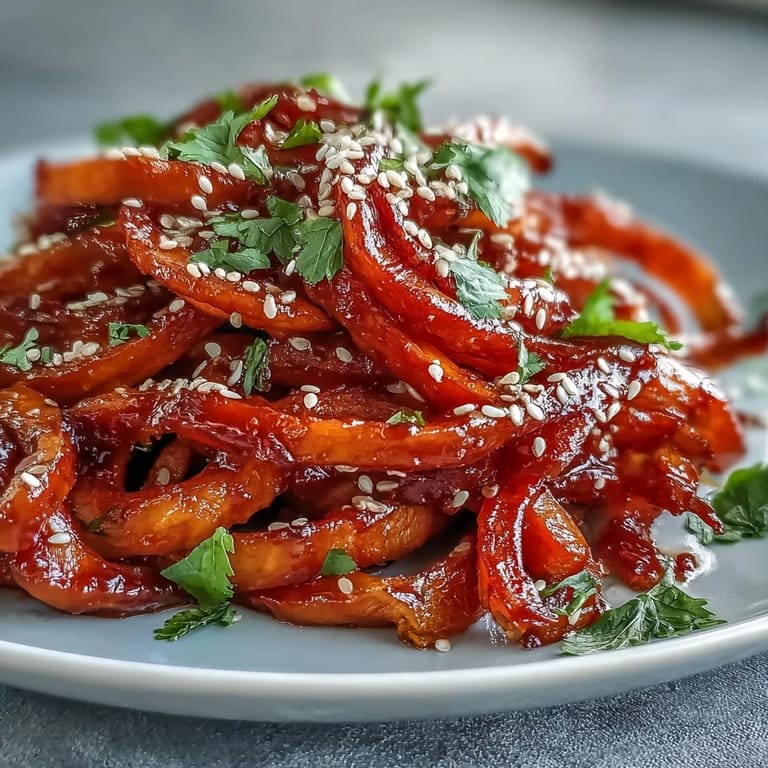
- Preheat your oven to 220°C and peel the swede thickly, then slice it into ribbons using a vegetable peeler or mandoline. Toss the ribbons with oil, salt, and pepper, then spread them out on a baking sheet so they roast instead of steam.
- Roast until golden:
- Slide the tray into the oven and roast for 25 to 30 minutes, flipping halfway through so the edges get crispy and caramelized. The swede should be tender when pierced with a fork but still hold its shape.
- Cook the noodles:
- While the swede roasts, bring a large pot of water to a boil and cook the rice noodles according to the package directions. Drain them, rinse under cold water to stop the cooking, and set them aside.
- Make the dressing:
- In a bowl, whisk together the gochujang, soy sauce, maple syrup, rice vinegar, sesame oil, garlic, ginger, chili flakes, and water until smooth. Taste it and adjust the sweetness or heat to your liking.
- Toss everything together:
- In a large mixing bowl, combine the roasted swede, noodles, spring onions, carrot, and bean sprouts if using. Pour the dressing over the top and toss gently with tongs until every ribbon and noodle is coated.
- Serve and garnish:
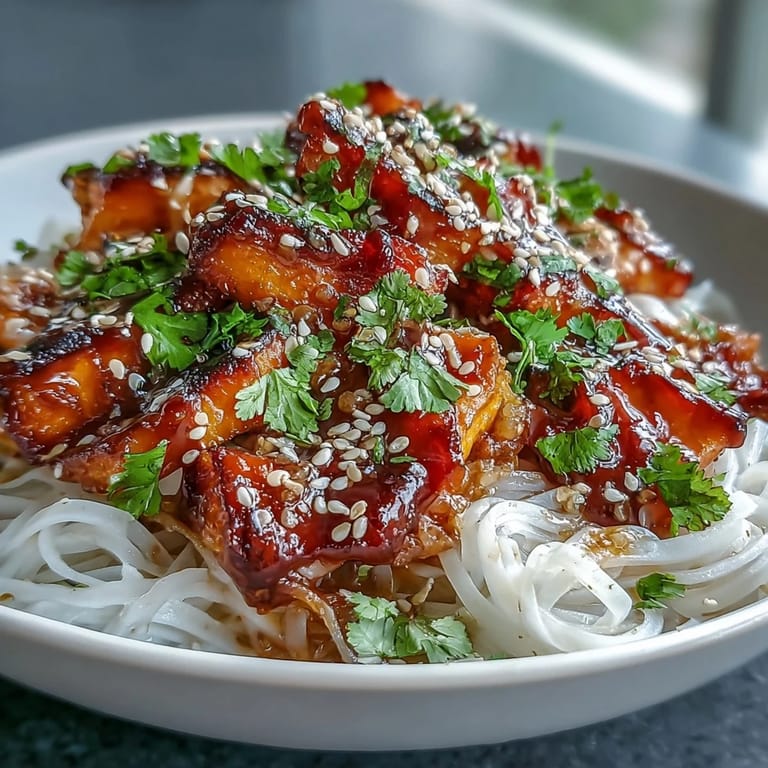
- Divide the noodles among bowls and sprinkle with toasted sesame seeds and fresh cilantro. Serve immediately while the swede is still warm and the noodles are glossy.
 Save to Pinterest
 One winter evening, I served this to a table of skeptical friends who couldn't believe swede could taste this good. They scraped their bowls clean and asked for the recipe, and one of them texted me a photo a week later of her own attempt, proudly captioned with a fire emoji. It's the kind of dish that surprises people, the kind that makes them rethink what a vegetable can be.
How to Pick and Prep Swede
Swede can be intimidating with its thick, waxy skin and dense flesh, but once you get past that, it's incredibly versatile. Look for ones that are firm and heavy, without soft spots or cracks, and store them in a cool, dark place where they'll keep for weeks. When you're ready to use it, peel away the outer layer generously because the skin can be bitter, and don't worry if your ribbons aren't perfect, rustic shapes add character. I used to struggle with cutting them until I learned to microwave the whole swede for two minutes first, which softens it just enough to make peeling and slicing easier.
Customizing Your Gochujang Dressing
The beauty of this dressing is how adaptable it is to your taste and what's in your pantry. If you like it sweeter, add another tablespoon of maple syrup or a squeeze of orange juice for brightness. For more tang, increase the rice vinegar or add a splash of lime juice, and if you want it creamier, whisk in a spoonful of peanut butter or tahini. I've made versions with miso instead of extra soy sauce, and once I threw in a spoonful of gochugaru for a smokier heat that my partner couldn't stop raving about. Keep a jar of this dressing in the fridge and you'll find yourself drizzling it on roasted vegetables, grain bowls, and even fried eggs.
Serving Suggestions and Add-Ins
This dish is satisfying on its own, but it's also a great base for whatever protein or vegetables you want to throw in. I've added crispy pan-fried tofu, soft-boiled eggs with jammy yolks, or a handful of edamame when I need extra protein. Shredded cabbage, thinly sliced bell peppers, or snap peas all work beautifully if you want more crunch, and a handful of fresh herbs like Thai basil or mint can lift the whole dish. Sometimes I serve it cold as a noodle salad for lunch, and it's just as good, maybe even better, after the flavors have had time to meld.
- Try topping it with crushed peanuts or cashews for added richness and texture.
- A squeeze of fresh lime juice right before serving brightens everything up.
- Leftovers can be reheated gently in a pan with a splash of water to revive the noodles.
 Save to Pinterest
 This recipe taught me that the best meals don't always come from expensive ingredients or complicated techniques, but from curiosity and a willingness to try something new. I hope it becomes a staple in your kitchen the way it has in mine.
Recipe Q&A
- → Can I substitute swede with another vegetable?
Yes, you can use butternut squash, sweet potato, or parsnips. Adjust roasting time as needed since different vegetables cook at different rates.
- → How spicy is this dish?
The heat level is moderate from the gochujang. Adjust by reducing the paste or omitting the optional chili flakes for milder flavor, or add more for extra kick.
- → Can I make this ahead of time?
The dressing and roasted swede can be prepared up to 2 days ahead. Store separately and assemble with freshly cooked noodles just before serving for best texture.
- → What can I use instead of gochujang?
For similar heat and depth, try sriracha mixed with miso paste, or use harissa. The flavor profile will differ but still be delicious.
- → Is this dish gluten-free?
It can be made gluten-free by using tamari instead of soy sauce and checking that your gochujang is certified gluten-free, as some brands contain wheat.
- → How do I cut swede into ribbons?
Use a vegetable peeler for wider ribbons or a mandoline for uniform thin strips. A sharp knife also works for julienne cuts if you prefer thicker noodle-like pieces.