 Save to Pinterest
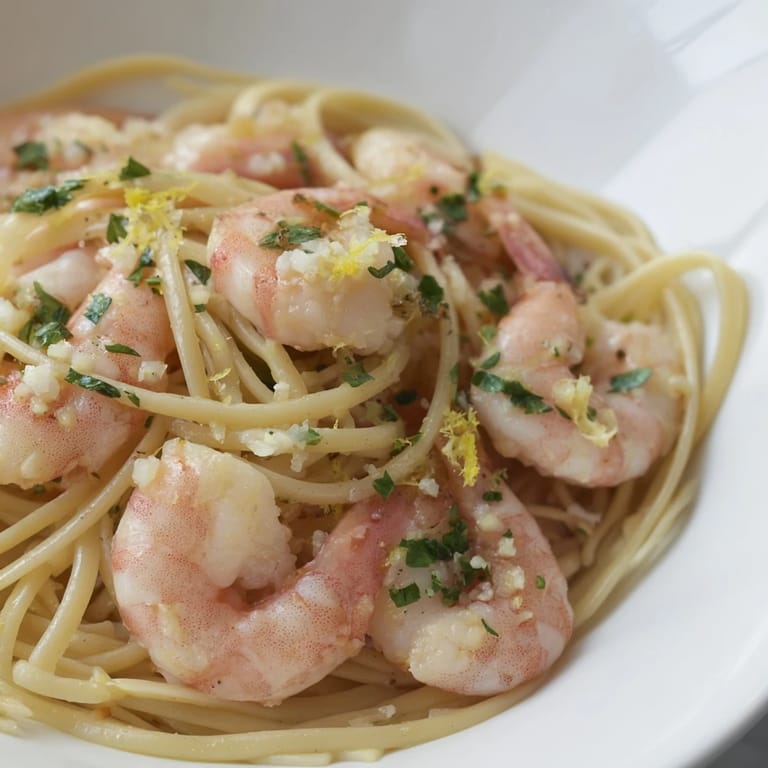
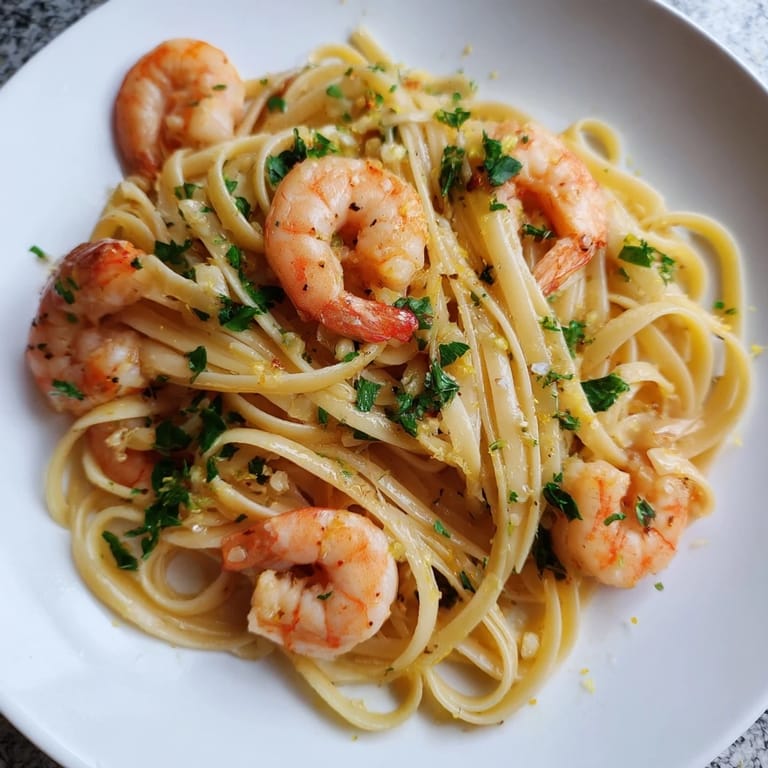
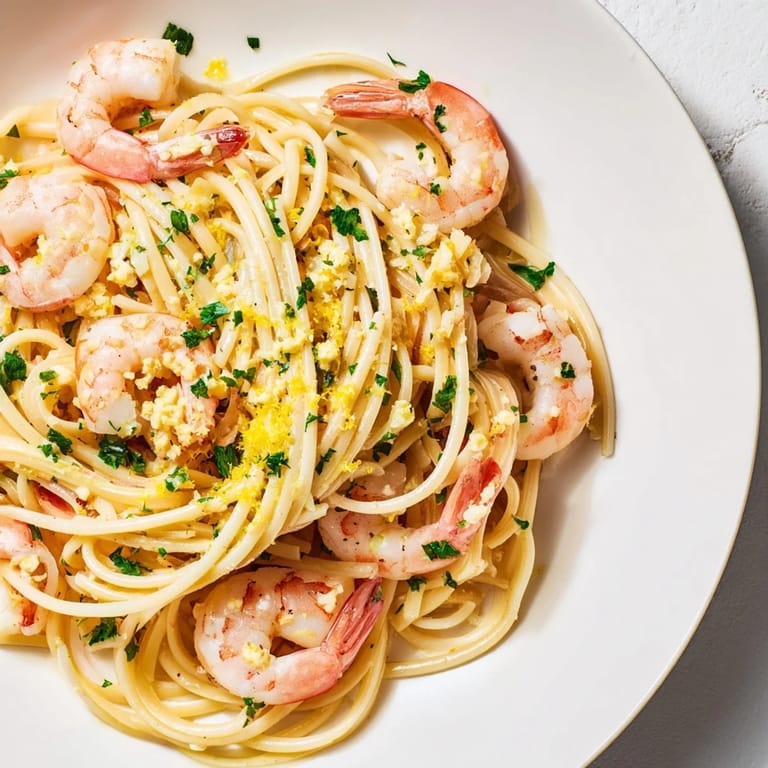
 The smell of garlic hitting warm butter is what pulled my roommate out of her room that Tuesday night. She appeared in the doorway, eyebrows raised, and I knew I had about twelve minutes before this supposedly quick dinner for one became dinner for two. Shrimp linguine has that effect: it announces itself before you even plate it. The lemon zest curling off the microplane, the shrimp turning from gray to that perfect coral pink, it all happens fast but feels like a small celebration. I've made fancier meals that took hours, but this one always gets the best reaction.
I made this for my parents the first time they visited my new apartment, and my dad, who usually critiques everything, just nodded and asked for seconds. My mom kept saying it reminded her of a place they went on their honeymoon, which I'm pretty sure was a stretch, but I didn't argue. There's something about shrimp and garlic that feels universally comforting, even if everyone's version is a little different. That night it became my go-to for when I wanted to prove I had my life together, even when I definitely didn't.
What's for Dinner Tonight? 🤔
Stop stressing. Get 10 fast recipes that actually work on busy nights.
Free. No spam. Just easy meals.
Ingredients
- Large shrimp, peeled and deveined (1 lb): The star of the dish, so buy them as fresh as possible or use good quality frozen ones that you've thawed gently in the fridge.
- Linguine pasta (12 oz): Its flat shape holds onto the buttery sauce better than round spaghetti, but honestly any long pasta works if that's what you have.
- Unsalted butter (4 tbsp): Lets you control the salt level, and it creates that silky base that olive oil alone just can't match.
- Extra virgin olive oil (2 tbsp): Keeps the butter from burning and adds a subtle fruity note that balances the richness.
- Garlic, minced (6 cloves): This is not the time to be shy, garlic is the backbone here and six cloves is just the beginning of right.
- Crushed red pepper flakes (1/4 tsp, optional): A whisper of heat that wakes everything up without making it spicy.
- Lemon zest and juice (from 1 lemon): The zest is where the magic lives, it cuts through the butter and makes the shrimp taste even shrimpier.
- Fresh parsley, chopped (1/4 cup): Not just for looks, it adds a fresh grassy note right at the end that keeps things from feeling too heavy.
- Salt and black pepper: Season as you go, tasting constantly, because the pasta water and Parmesan will add salt too.
- Parmesan cheese, grated (optional): Some people say cheese and seafood don't mix, but those people haven't tried it on this dish.
Instructions
- Boil the pasta:
- Get your water roiling with enough salt that it tastes like the sea, then drop in the linguine and stir it once so nothing sticks. Set a timer for two minutes less than the package says, because it'll finish cooking in the sauce, and scoop out half a cup of that starchy water before you drain.
- Prep the shrimp:
- While the pasta bubbles away, pat those shrimp completely dry with paper towels, then hit them with a little salt and pepper. Wet shrimp will steam instead of sear, and you want them to barely kiss the heat and turn golden on the edges.
- Bloom the garlic:
- Melt the butter and oil together over medium heat until they start to shimmer, then add your garlic and red pepper flakes. Stir constantly for about a minute until your kitchen smells like heaven, but pull it off the heat the second the garlic turns blonde, because burned garlic is bitter and there's no coming back from it.
- Cook the shrimp:
- Lay the shrimp in the pan in a single layer, giving them space to breathe, and let them cook without moving them for two full minutes. Flip them once, cook another two minutes until they're pink and curled into loose Cs, and resist the urge to overcook because rubbery shrimp ruins everything.
- Add the citrus:
- Stir in the lemon zest and juice, letting it sizzle for just a second. The acid will brighten everything and cut through the butter in a way that makes you want to lick the spoon.
- Toss the pasta:
- Add the drained linguine straight into the skillet and toss everything together with tongs, adding splashes of that reserved pasta water to create a glossy sauce that clings to every strand. The starch in the water is what makes it all come together instead of feeling greasy.
- Finish and serve:
- Kill the heat, toss in the parsley, and taste for seasoning. Serve it immediately in warm bowls with Parmesan on the side, because this dish waits for no one.
 Save to Pinterest
 I brought this to a potluck once, which was risky because pasta doesn't usually travel well, but I reheated it in a skillet with a splash of white wine and people acted like I'd performed a miracle. Someone's boyfriend, who I'd never met, asked for the recipe and then actually made it and sent me a photo. That's when I realized this dish has a way of making people feel capable, like they've unlocked a secret even though it's just butter and timing.
What to Serve Alongside
This pasta is rich enough to be the main event, but a simple arugula salad with lemon vinaigrette keeps things balanced and adds a peppery bite that cuts through the butter. I like to toast some crusty bread and rub it with a cut garlic clove while it's still warm, then use it to mop up every last bit of sauce from the bowl. A crisp white wine, like Sauvignon Blanc or Pinot Grigio, is the classic pairing, but I've also served this with a light sparkling water with lemon when I wanted to keep things alcohol-free and it still felt special.
How to Store and Reheat
Leftovers keep in an airtight container in the fridge for up to two days, though the pasta will soak up some of the sauce as it sits. When you reheat it, don't use the microwave unless you enjoy rubbery shrimp, instead warm it gently in a skillet over low heat with a drizzle of olive oil or a splash of white wine to bring the sauce back to life. I've also eaten it cold straight from the fridge at midnight, and while it's not the same, it's still pretty satisfying when you're standing in front of the open refrigerator in your pajamas.
Ways to Make It Your Own
This recipe is forgiving and practically begs you to improvise based on what you have or what sounds good. Sometimes I throw in a handful of cherry tomatoes that burst in the pan and add little pockets of sweetness, or I'll toss in some baby spinach at the end so it wilts into the pasta and I can pretend I'm eating vegetables. If you want it richer, splash in a bit of heavy cream after the lemon juice, or if you're feeling fancy, deglaze the pan with a few tablespoons of dry white wine before adding the shrimp.
- Swap the shrimp for scallops if you want something even sweeter and more delicate.
- Add a handful of fresh basil along with the parsley for a summery herbal note.
- Use whole wheat or gluten free pasta if that's what you keep in your pantry, it'll still work beautifully.
 Save to Pinterest
 Every time I make this, I'm reminded that the best meals aren't always the ones that take all day, they're the ones that make your kitchen smell like someone who knows what they're doing lives there. This shrimp linguine does that every single time.
Recipe Q&A
- → How do I prevent the shrimp from becoming rubbery?
Cook shrimp only 2 minutes per side until they turn pink. Overcooked shrimp becomes tough. Remove from heat immediately once cooked through to maintain tender texture.
- → Can I prepare this dish ahead of time?
This pasta is best served immediately. However, you can prep ingredients in advance by cleaning shrimp and mincing garlic. Combine just before serving for optimal freshness and texture.
- → What type of pasta water should I reserve?
Reserve starchy pasta water before draining. This water helps emulsify the sauce and creates a silky coating. Add gradually while tossing to achieve desired consistency.
- → Is there a substitute for linguine?
Fettuccine, spaghetti, or any long pasta works well. For gluten-free options, use gluten-free pasta and follow standard cooking instructions accordingly.
- → How can I make this dish spicier?
Increase red pepper flakes to taste, or add fresh diced chili. You can also incorporate a touch of hot sauce at the end. Taste as you go to control heat level.
- → What wine pairs best with this dish?
Crisp white wines like Sauvignon Blanc or Pinot Grigio complement the lemon and butter flavors. You can also add a splash of dry white wine to the skillet before adding shrimp for enhanced depth.