
 Save to Pinterest
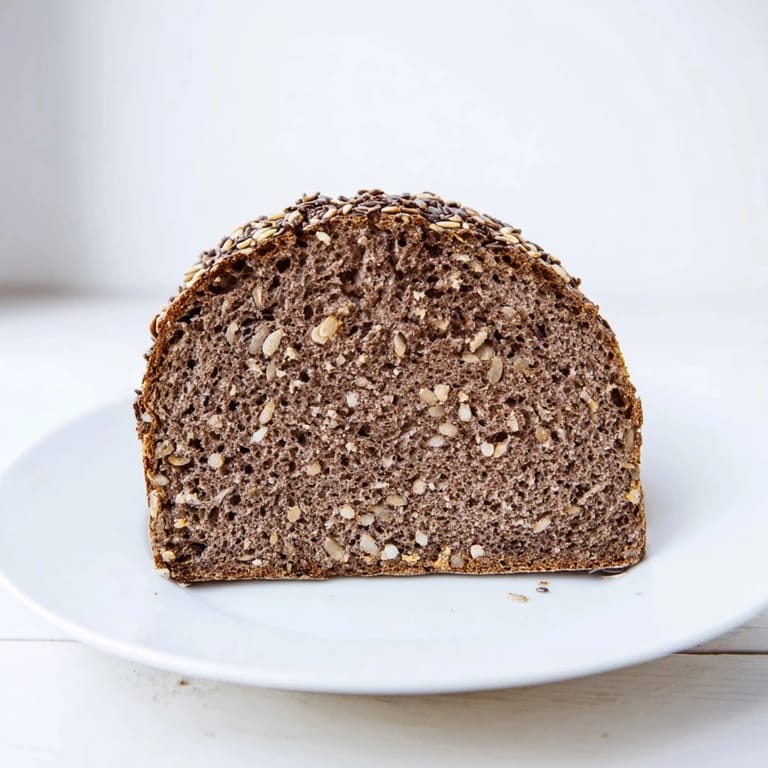
 The first time I tasted authentic Estonian leib, I was at a small wooden table in Tallinn, the bread still warm from the baker's oven, its dark crust crackling under my knife. My host sliced it thick and piled smoked fish on top, and I realized this wasn't just bread—it was a edible history lesson, earthy and complex, with hints of malt and caraway that made everything else taste secondary. Years later, I finally understood the alchemy: a patient sourdough starter, dark rye flour, and the subtle sweetness of molasses creating something that tastes like it's been made the same way for centuries. Now when I bake this at home, my kitchen fills with that same deeply aromatic smell, and I always think of that first bite.
I remember my neighbor stopping by while the loaf was cooling, drawn by the smell alone, and she stood in my kitchen just breathing it in without saying anything. When I finally sliced it and handed her a piece with good butter, she closed her eyes, and I knew right then that this bread had done what it was supposed to do—it had made someone feel at home.
What's for Dinner Tonight? 🤔
Stop stressing. Get 10 fast recipes that actually work on busy nights.
Free. No spam. Just easy meals.
Ingredients
- Active rye sourdough starter (100 g): This is your magic ingredient—it needs to be alive and bubbly, fed regularly, and ready to work. Use the peak of its rise, not the sleepy stuff at the bottom of the jar.
- Dark rye flour (400 g): This is what gives the bread its character, earthy and substantial, though it drinks water differently than wheat so don't panic if the dough looks wetter.
- Bread flour (100 g): The wheat flour gives structure and helps the loaf rise without becoming dense, a small amount goes a long way.
- Lukewarm water (300 ml): Temperature matters—too hot kills the starter, too cold and it sulks, so aim for slightly warmer than your wrist.
- Dark rye malt or barley malt powder (50 g): This is the soul of Estonian leib, adding sweetness and depth without any sugar crash, the flavor lingers in the best way.
- Molasses or dark honey (2 tbsp): Either works, but molasses adds an almost smoky undertone that feels authentic and grounding.
- Caraway seeds (1 tbsp, plus optional for topping): Toast them first if you want the scent to hit you immediately, or use them raw for subtlety.
- Fine sea salt (2 tsp): Don't skip or reduce—salt is what keeps this bread from tasting one-dimensional.
Instructions
- Wake up your starter:
- Pour the rye starter, lukewarm water, and molasses into a large bowl, stirring until the molasses dissolves into glossy ribbons and the starter loosens up. This is where fermentation begins, so you're not mixing—you're coaxing everything into conversation.
- Build the dough:
- Add the rye flour, bread flour, malt powder, caraway seeds, and salt, stirring with a wooden spoon until you have a thick, sticky mass that barely holds together. It should look heavier and more reluctant than typical bread dough, almost stubborn, and that's exactly right.
- First rise overnight:
- Cover the bowl with a damp cloth and leave it at room temperature for 10–12 hours or overnight, watching it expand and bubble as the sourdough culture does its slow, patient work. You'll see bubbles push through the surface and smell that distinctive tangy-sweet aroma creeping into your kitchen.
- Shape and second rise:
- Line a loaf pan with parchment paper, scrape the dough inside, and smooth the top gently with a wet spatula—don't deflate it, just coax it level. Sprinkle caraway seeds on top if you want them to crisp on the crust, cover loosely, and let it rise 2–4 more hours until it's nearly at the rim of the pan.
- Steam and bake:
- Preheat your oven to 220°C with a pan of hot water on the bottom rack so steam can wrap around the bread and help it expand. Bake at 220°C for 15 minutes, then drop the temperature to 190°C and continue for 30 minutes until the crust is dark mahogany and the loaf sounds hollow when you tap it—this is the moment it becomes real.
- Cool completely:
- Slide it onto a wire rack and leave it alone while it cools, even though the steam rising off it smells incredible. The crumb will set as it cools, so slicing too early means gumminess, patience being the final ingredient.
 Save to Pinterest
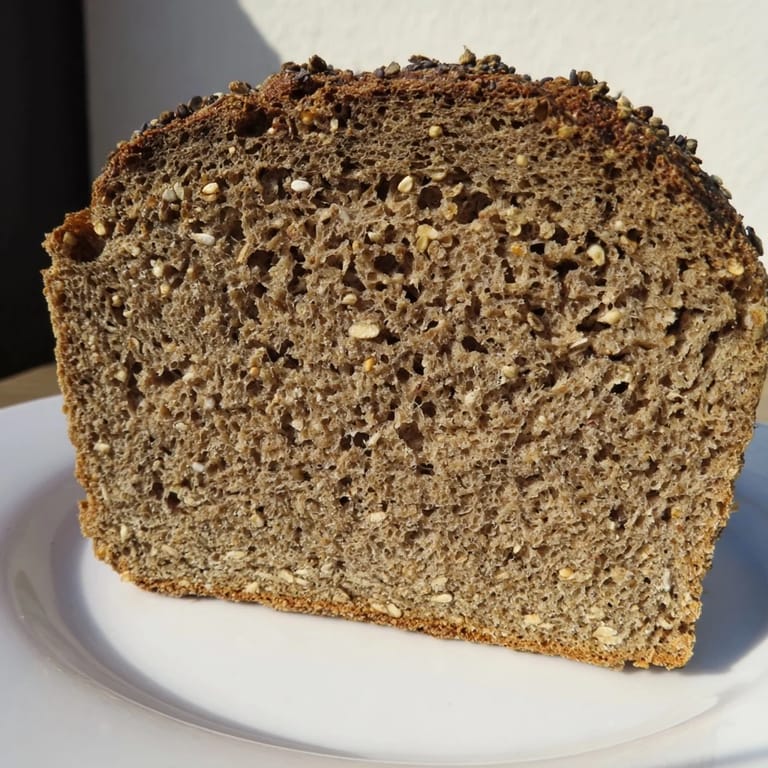
 There's a particular kind of satisfaction that comes from slicing into bread you've fermented for almost 24 hours, watching the knife pull through that dark, tender crumb, and knowing that every hour of waiting was part of the recipe. My family waits for this bread the way they wait for little else.
The Patience Part
Long fermentation isn't a flaw to work around—it's the whole point, and once you understand that, making this bread becomes less like cooking and more like tending something. The sourdough culture breaks down the heavy rye flour into something digestible and alive, developing flavors that no commercial yeast could ever rush into existence. This is bread that rewards time, and the best version of it lives in that slow rise where nothing happens visibly but everything is changing underneath.
Why Caraway Seeds Matter
Caraway isn't just a flavor—it's a signature, the thing that makes this bread unmistakably Estonian rather than just dark and heavy. The seeds have a subtle licorice warmth that sounds strange until you taste it, when it suddenly feels essential, like the spice knows exactly where it belongs. If you're nervous about caraway, toast the seeds lightly first so their flavor blooms before they hit the dough, making them feel more like a choice than a risk.
Serving and Storage
This bread is happiest when treated simply—thick slices with good butter, alongside smoked fish or aged cheese, or just on its own when it's fresh enough to still be warm. Wrap leftovers in a clean linen towel rather than plastic, which keeps the crust crisp while the inside stays tender for days.
- Slice thick and serve the same day it comes out of the oven if you want the crust to crackle under your teeth.
- By day three, the crumb becomes almost velvety, perfect for toasting and spreading with good butter and salt.
- This bread freezes beautifully for up to a month—thaw it at room temperature and refresh it in a 200°C oven for five minutes if the crust softens.
 Save to Pinterest
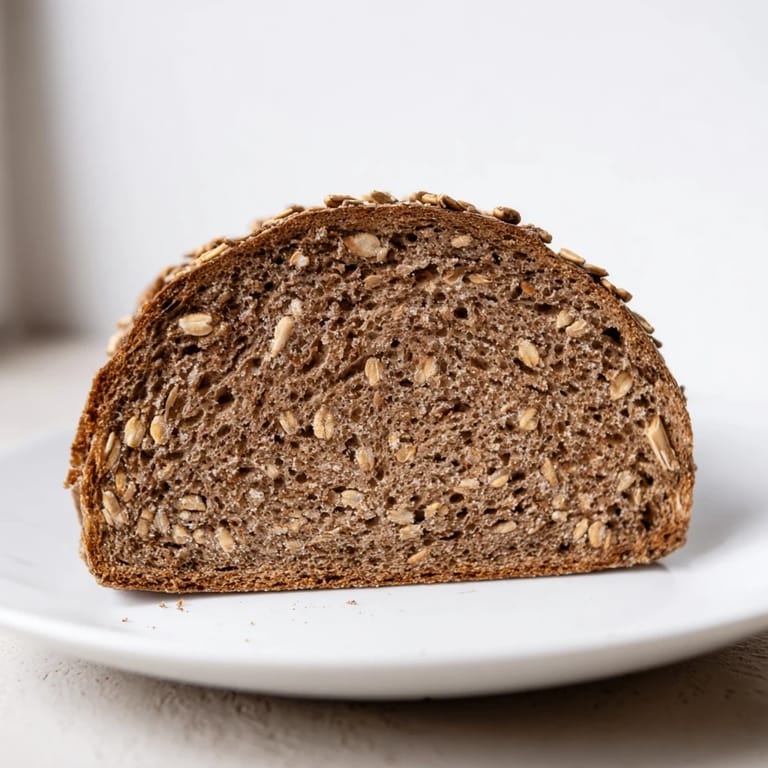
 There's something ancient and grounding about making bread that tastes like it's been made the same way for centuries, like you're part of something that outlasts any single moment. This loaf, dark and patient and honest, feels like that.
Recipe Q&A
- → What type of flour is used in this bread?
A combination of dark rye flour and bread flour (wheat) is used for a dense yet airy texture.
- → How do caraway seeds influence the bread?
Caraway seeds add a warm, slightly peppery aroma that enhances the rye's earthy flavors.
- → Why is malt included in the dough?
Malt imparts sweetness and improves crust color, boosting the bread’s depth of flavor.
- → How long should the dough rise before baking?
Allow an initial 10–12 hour rise at room temperature, followed by a 2–4 hour second rise after shaping.
- → What baking technique ensures the best crust?
Introducing steam in the oven during early baking creates a crisp, dark crust with a moist crumb.
- → Can this bread be stored for later use?
Yes, it keeps well for up to a week when wrapped in a clean towel at room temperature.