 Save to Pinterest
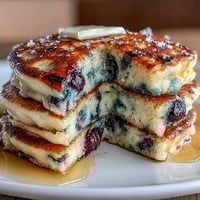
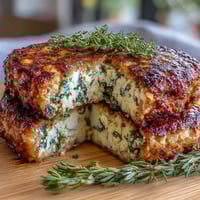
 The first time I made this, I wasn't even trying to invent anything—I just had leftover brioche, good cheese, and a carton of eggs staring me down on a lazy Saturday morning. My partner wandered into the kitchen asking what smelled so incredible, and I realized mid-flip that I'd accidentally created something that tasted like a French bistro decided to have a love affair with a diner. That golden crust, the way the cheese oozed out when I cut into it, the custardy softness inside—it felt like I'd unlocked a secret menu item that shouldn't exist but absolutely should.
I made this for my sister on a Sunday when she needed cheering up, and watching her take that first bite—closing her eyes, then immediately asking for the recipe—reminded me why cooking for people matters. She said it tasted like something she'd pay $18 for at a fancy brunch spot, and honestly, that moment made the whole thing worth it.
What's for Dinner Tonight? 🤔
Stop stressing. Get 10 fast recipes that actually work on busy nights.
Free. No spam. Just easy meals.
Ingredients
- Eggs (3 large): These are your binding agent, creating that custardy soak that makes everything tender and rich—use them straight from the bowl, no tempering needed.
- Whole milk and heavy cream (3/4 cup and 1/4 cup): The combination of both creates depth; milk alone feels too thin, cream alone feels heavy, but together they're just right.
- Granulated sugar (1 tbsp): A subtle sweetness that plays against the savory cheese without making you feel like you're eating dessert.
- Kosher salt and black pepper (1/2 tsp each): These are your seasoning foundation—don't skip them even though they seem small.
- Dijon mustard (1/2 tsp, optional): A teaspoon amount dissolves into the custard and adds an earthy undertone that makes people ask what's different about yours.
- Brioche or challah bread (8 slices, about 1/2-inch thick): The thickness matters because you want it to soak without falling apart; too thin and it becomes mush, too thick and the center stays raw.
- Gruyère or sharp cheddar cheese (8 slices or a mix): Gruyère melts with this sophisticated nuttiness, but sharp cheddar works beautifully if that's what you have—avoid pre-sliced American cheese, it doesn't have the texture you're after here.
- Unsalted butter and neutral oil (2 tbsp and 1 tbsp): Using both prevents the butter from burning while you get that golden, crispy exterior.
Instructions
- Make your custard base:
- Crack your eggs into a shallow bowl and whisk them with milk, cream, sugar, salt, pepper, and the optional mustard until everything is smooth and well combined. You want no streaks of egg white visible—this takes maybe a minute of whisking.
- Build your sandwiches:
- Lay 4 slices of bread on your cutting board and top each with 2 slices of cheese, then crown with the remaining bread. You're making four sandwich halves essentially, and there's no need to press them together hard—they'll stay put.
- Get your pan ready:
- Heat your skillet over medium heat for a couple of minutes, then add the butter and oil, swirling them together until the foam subsides and the pan smells toasty but not burnt. Medium heat is key here because high heat will char the outside before the cheese melts inside.
- Dip with confidence:
- Take each sandwich and dip it into your custard bowl, coating both sides generously but not lingering—you want a thorough coat, not a bath. About two to three seconds per side is perfect; the bread should feel wet but not dripping.
- Cook until golden:
- Place your dipped sandwiches into the pan and let them cook undisturbed for 3 to 4 minutes until the bottom is deep golden brown and smells nutty. Flip gently, press down just a touch with your spatula, and cook the other side for another 3 to 4 minutes.
- Rest and serve:
- Transfer the cooked sandwiches to a cutting board and let them sit for 2 minutes—this helps the cheese set slightly so it doesn't all run out when you cut into it. Slice diagonally and serve while everything is still warm and the cheese is still oozing.
 Save to Pinterest
 There was an evening when I made this for a dinner party and one of my guests, who's usually skeptical about fusion cooking, cut into their portion and just went quiet—the kind of quiet that means something unexpected just happened on their plate. We all tasted it together, and suddenly everyone was asking questions about technique, about where I got the idea, whether I could make it again next month. Food doesn't always have to be complicated to make people feel something, and that night proved it.
Why the Sweet-and-Savory Balance Works
The sugar in the custard mixture is there for a reason—it's not enough to make this feel like breakfast dessert, but it rounds out the richness and gives the cheese something interesting to play off. If you want to push this further into sweet territory, a thin swipe of fig jam or caramelized onions on the bread before assembly adds a complexity that makes people wonder what your secret ingredient is. Even without additions, the custard itself has this subtle sweetness that makes the whole thing feel like it's been thought through rather than rushed.
Cheese and Bread: Your Canvas for Experimentation
Once you nail the basic formula, this dish becomes a playground for whatever you have in your kitchen. I've used everything from Swiss (which is milder and more delicate) to fontina (which gets almost creamy when melted) to a mix of aged cheddar and mozzarella because that's what was on my counter one Tuesday. The bread matters too—brioche and challah work because they're tender and rich, but I've done this with buttery pain de mie with equally good results; just avoid thin sliced sandwich bread because it dissolves into the custard.
Making This Work for Your Schedule
One of my favorite things about this recipe is that you can do the work in stages, which means less morning chaos when you want to serve it fresh. Build your sandwiches the night before, wrap them loosely in plastic wrap, and keep them in the refrigerator—they actually benefit from sitting because the flavors meld and the bread gets a little firmer, making them less likely to fall apart during dipping. When you're ready to eat, just pull them out, make your custard mixture fresh, and cook them straight from the fridge, which might add a minute or two to each side but ensures everything comes together hot and properly melted.
- Prep ahead by building sandwiches and refrigerating them; dip and cook fresh just before serving for the best texture and taste.
- If you're cooking for more than four people, work in batches rather than overcrowding the pan, which keeps the heat consistent and prevents steaming.
- This dish is best served immediately while the cheese is still flowing, so time your cooking so everything hits the plate warm.
 Save to Pinterest
 This recipe taught me that some of the best things in cooking happen when you're not overthinking, when you just have ingredients and curiosity and let the pan guide you. I still make it whenever I want to feel like I've done something a little special without spending all day in the kitchen.
Recipe Q&A
- → What type of bread works best?
Brioche or challah bread are ideal due to their sturdy texture and slight sweetness, which balance the creamy custard and melted cheese.
- → Can I use other cheeses besides Gruyère or cheddar?
Yes, Swiss, mozzarella, or fontina can be substituted for different flavor profiles and melting qualities.
- → How long should the sandwiches soak in custard?
Dip sandwiches briefly to coat both sides evenly without soaking through, preventing sogginess and ensuring a crisp result.
- → What cooking fat is recommended?
A combination of unsalted butter and neutral oil like canola offers rich flavor and prevents burning during pan-searing.
- → Are there variations to add sweetness?
Adding fig jam or caramelized onions alongside the cheese creates a sweet-and-savory balance that enhances the dish’s complexity.