 Save to Pinterest
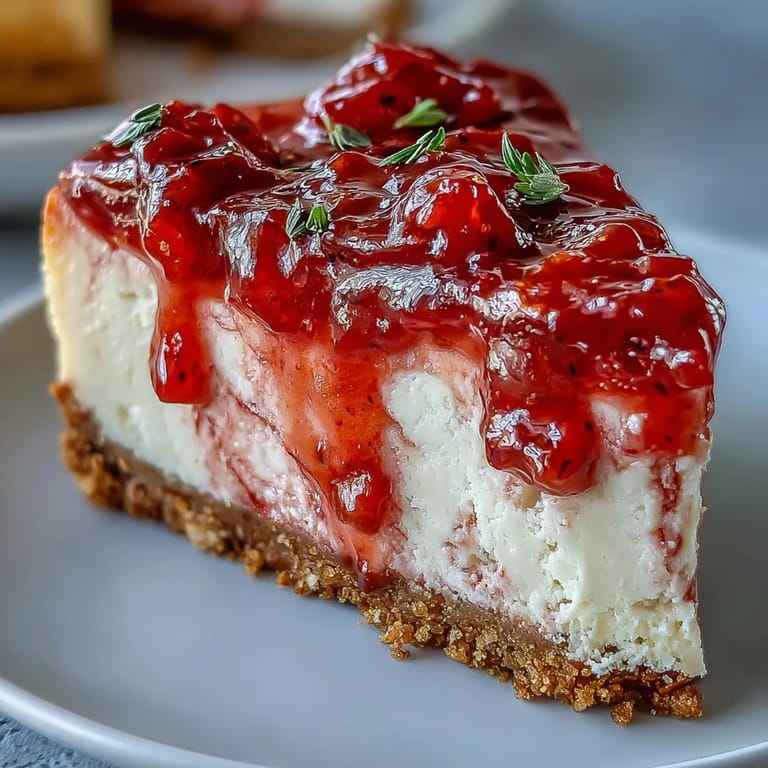
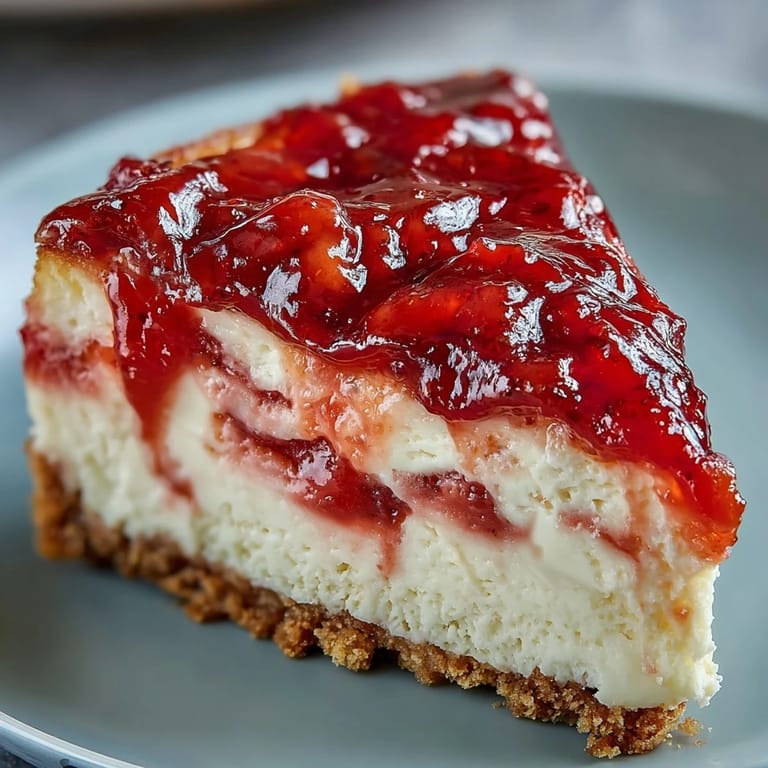
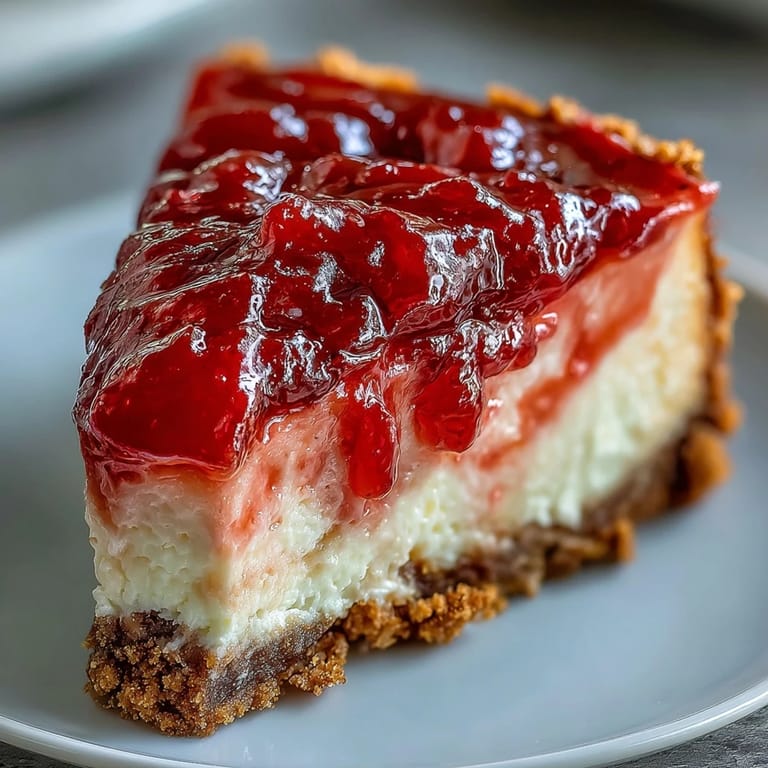
 There's something about the way guava marmalade swirls through creamy cheesecake that stops conversation mid-bite. I discovered this combination almost by accident when my neighbor brought over a jar of homemade guava paste and challenged me to do something unexpected with it. The result was this tropical-kissed cheesecake that somehow tastes both elegant and comforting, like a dessert that knows exactly who it is.
My kitchen smelled like a tropical bakery the afternoon I made this for a birthday dinner, and honestly, that's when I knew I'd created something special. Watching guests lean back in their chairs after the first bite, that small moment of surprise before they asked for the recipe—that's what keeps me returning to this one.
What's for Dinner Tonight? 🤔
Stop stressing. Get 10 fast recipes that actually work on busy nights.
Free. No spam. Just easy meals.
Ingredients
- Maria cookies (200 g): These mild, slightly sweet biscuits create a more delicate crust than graham crackers, letting the guava shine without competing flavors.
- Unsalted butter (80 g, melted): Melted rather than softened helps the crumbs bind evenly and bake to golden crispness.
- Granulated sugar for crust (2 tbsp): A small amount adds just enough sweetness to balance the tart guava filling.
- Cream cheese (600 g, softened): Room temperature is non-negotiable here—cold cheese creates lumps no amount of beating will fix, trust me on this.
- Granulated sugar for filling (200 g): Beat this long with the cream cheese until noticeably lighter in color, which means air is incorporated for a fluffier crumb.
- Sour cream (200 ml): This adds tang that harmonizes with the guava and keeps the texture creamy rather than dense.
- Eggs (3 large): Adding them one at a time prevents overmixing, which is what causes that dreaded cracked top.
- Vanilla extract (1 tsp): Pure extract makes a noticeable difference in depth compared to imitation versions.
- Lime zest (optional): Even if you skip the juice, the zest adds a whisper of brightness that heightens the tropical feeling.
- Guava marmalade or paste (200 g): Marmalade is thinner and swirls more easily, but paste works beautifully when loosened with a bit of water.
Instructions
- Prepare your workspace:
- Preheat the oven to 160°C and line your springform pan with parchment paper, letting it come up the sides slightly. This small step prevents any spillage during that crucial water bath moment.
- Make the crust:
- Pulse Maria cookies until they resemble sand, then toss with melted butter and sugar until the mixture holds together when squeezed. Press firmly and evenly into the pan base, then bake for exactly 10 minutes—you want it set but not browned.
- Beat the filling base:
- With cream cheese and sugar in your mixer, beat on medium speed for about 3 minutes until the mixture looks pale and fluffy, almost like clouds. This aerates the filling so it bakes lighter instead of heavy.
- Add the wet ingredients carefully:
- Scrape down the bowl, add sour cream, and mix just until combined. Now add eggs one at a time, mixing only until you no longer see streaks of yolk—overmixing at this stage introduces air bubbles that crack during cooling.
- Flavor the filling:
- Stir in vanilla and lime zest if using, folding gently so you don't deflate all that careful aeration. The zest will distribute unevenly at first, which is exactly what you want.
- Layer and prepare for swirling:
- Pour the filling over your cooled crust and smooth the top with a spatula, working gently so you don't disturb the crust. In a small saucepan, warm the guava marmalade with water over low heat, stirring until it flows like jam rather than paste.
- Create the swirl:
- Drop generous spoonfuls of warm guava across the filling surface, spacing them roughly 3 inches apart. Using a knife or wooden skewer, draw lines through the guava in a gentle back-and-forth pattern, creating that signature marbled effect without overworking it.
- Bake with patience:
- Bake for 50 to 55 minutes—the edges will set and pull slightly from the pan, but the center should still have the tiniest jiggle when you gently shake the pan. This jiggle tells you the residual heat will finish the cooking perfectly.
- Cool gradually:
- Turn off the oven and crack the door open about 2 inches, letting the cheesecake spend a full hour cooling slowly inside. This gradual temperature drop prevents the dramatic contraction that causes cracking.
- Chill and set:
- Remove to room temperature, then refrigerate for at least 3 hours, though overnight is ideal. The colder it gets, the cleaner your slices will be.
 Save to Pinterest
 There's a particular silence that falls over a table when people taste something that exceeds their expectations. A colleague who'd never tried guava took one bite and suddenly became someone planning a trip to Puerto Rico just for the fruit—that's when I realized this dessert does more than satisfy hunger.
The Magic of Marbling
The swirl isn't just decorative, though it certainly looks impressive. That tart guava creates flavor pockets throughout the filling, so every bite contains the tropical notes rather than keeping them isolated on the surface. I've learned that the swirl works best when the guava is warm enough to flow but the cheesecake batter is cool enough to hold distinct lines—timing matters more than precision here.
Serving and Storage Secrets
A hot knife creates ragged edges, but dipping in hot water and wiping clean between each cut gives you clean, impressive slices that look professionally done. This cheesecake keeps beautifully for up to 4 days in the refrigerator, and honestly, the flavors deepen slightly as it sits, making it perfect for advance preparation.
Variations and Pairing Ideas
Once you master the basic technique, this recipe invites experimentation. I've swirled in passion fruit curd for a different tropical angle, and even tried a coconut-infused sour cream layer beneath the guava for extra richness. The filling also takes well to a light touch of cardamom or cinnamon if you want to add subtle warmth.
- If Maria cookies are hard to find, digestive biscuits or even vanilla wafers work as substitutes with slightly different flavor profiles.
- For a less sweet version, reduce the filling sugar to 175 g and let the guava's natural tartness take center stage.
- Serve with fresh lime wedges or mint leaves as a simple garnish that echoes the tropical theme without overwhelming.
 Save to Pinterest
 This cheesecake has become my answer to the question of what to bring when I want to impress without stress. It arrives at the table looking like you've spent all day in a professional kitchen, when really you've invested just 25 minutes of active work.
Recipe Q&A
- → How long should the cheesecake chill before serving?
Refrigerate for at least 3 hours, though overnight chilling yields the best texture and flavor development. The firm consistency makes slicing easier and enhances the creamy mouthfeel.
- → Can I use fresh guava instead of marmalade?
Fresh guava lacks the concentrated sweetness needed for swirling. Simmer fresh guava with sugar until thickened into a jam-like consistency, or use guava paste thinned with two tablespoons of water for similar results.
- → Why does my cheesecake crack during baking?
Cracking occurs from overmixing the eggs or rapid temperature changes. Beat eggs just until combined, and always cool in the oven with the door cracked for one hour before refrigerating. This gentle cooling prevents surface cracks.
- → What's the best way to achieve clean slices?
Dip your knife in hot water and wipe dry between each cut. The heat creates smooth edges through the dense filling. For portion guidance, this yields 10 servings from a 23-centimeter springform pan.
- → Can I substitute the Maria cookies?
Graham crackers work beautifully as an alternative. The flavor profile shifts slightly—graham crackers add honey notes while Maria cookies provide a delicate, biscuit-like sweetness. Both create the necessary crisp foundation.
- → How do I know when the cheesecake is done baking?
The edges should appear set while the center retains a slight jiggle, similar to firm gelatin. The residual heat completes cooking during the cooling phase. Overbaking produces a dry, crumbly texture rather than creamy smoothness.