
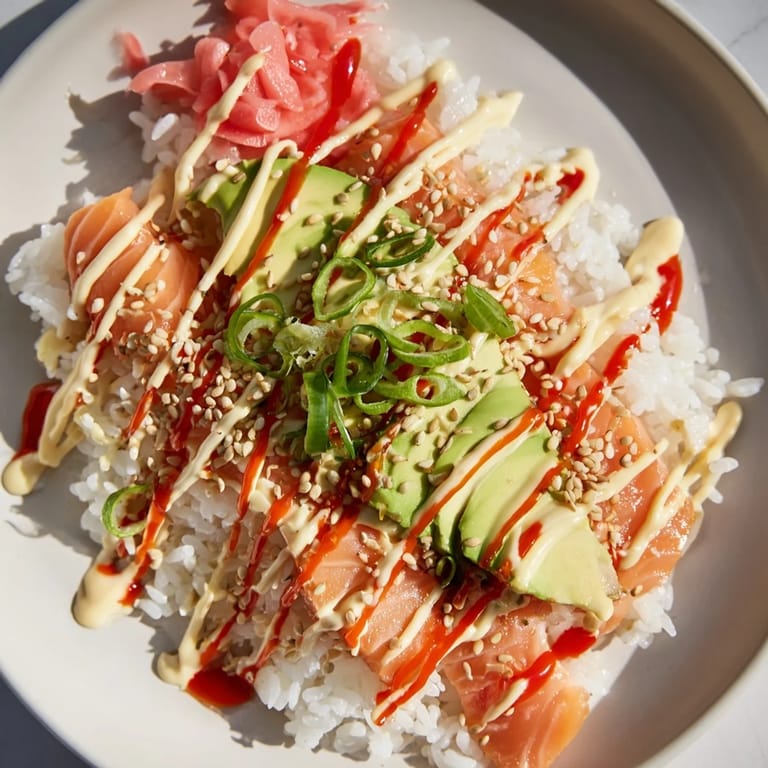
 Save to Pinterest
 I discovered this bowl while scrolling late one night, watching someone on TikTok fold salmon into warm rice with casual confidence. The simplicity caught me off guard—no complicated techniques, no waiting around, just fresh ingredients coming together in minutes. I made it the next evening after a long day, and something about the way the salmon flaked into the rice felt like a small victory in the kitchen. It became my go-to when I wanted something that tasted like I'd put in effort without actually exhausting myself.
My partner came home one evening to find me arranging avocado slices with the precision of someone decorating a cake. I realized then that this bowl had a way of making you slow down and pay attention, even when you're hurrying. The nori sheets became our favorite part—crispy, salty, perfect for scooping, and somehow it turned eating from a bowl into something more interactive and fun.
What's for Dinner Tonight? 🤔
Stop stressing. Get 10 fast recipes that actually work on busy nights.
Free. No spam. Just easy meals.
Ingredients
- Cooked salmon fillet (about 170 g / 6 oz): Fresh or leftover, the salmon is the heart here—flaked just enough to mix with the rice but still holding its texture and richness.
- Cooked white rice (2 cups, preferably leftover and chilled): Cold rice actually works better because it won't turn mushy when warmed, and leftover rice means less work for you.
- Soy sauce (1 tablespoon): This is your umami anchor, the thing that ties everything together with a savory confidence.
- Sesame oil (1 teaspoon): Just a drizzle—it's potent, nutty, and transforms the whole bowl with barely any effort.
- Japanese mayonnaise (1 tablespoon, like Kewpie): Creamier and richer than regular mayo, it coats the rice with a subtle sweetness that balances the salt.
- Sriracha or chili sauce (1 teaspoon, optional): Add this if you want heat, or leave it out if you prefer your bowl mellow and comforting.
- Avocado, sliced: Soft, buttery contrast that makes each bite feel luxurious without any fuss.
- Roasted seaweed sheets (1 sheet, cut into squares): Crispy and salty, these little squares become your edible utensils and add a delicious umami punch.
- Toasted sesame seeds (1 teaspoon): Tiny but mighty—they add crunch and a nutty depth you'll notice immediately.
- Spring onions, thinly sliced (2): Fresh and slightly sharp, they cut through the richness and remind your palate that vegetables exist.
- Pickled ginger (optional): If you want a punchy, palate-cleansing element that makes you feel like you're eating at a sushi restaurant.
- Lemon or lime wedges (optional): Squeeze one right before eating for brightness that lifts everything.
Instructions
- Prep your salmon:
- Pull your cooked salmon apart gently with a fork, breaking it into tender flakes without reducing it to paste. This takes maybe thirty seconds and sets the tone for everything that follows.
- Layer and warm:
- Pile the rice on top of the flaked salmon in a microwave-safe bowl, sprinkle a little water over it if the rice is dry, cover it loosely, and microwave for 1–2 minutes. You're looking for warmth, not steam—just enough heat to bring everything together.
- Mix with intention:
- Pour the soy sauce and sesame oil into the bowl and fold everything together, listening to the rice shift and mingle with the salmon. This is where the magic happens, even though it only takes a minute.
- Add creaminess and heat:
- Drizzle your Japanese mayo across the top, add sriracha if you're feeling it, and gently fold again. Taste as you go—you're building flavor layers, not drowning anything out.
- Top with texture:
- Arrange the avocado, spring onions, sesame seeds, and any ginger right over the top, letting each topping stay visible so you know what you're getting in every bite. The presentation is part of the experience.
- Serve with seaweed:
- Tear the nori into squares and either arrange them on the side or fold them right into the bowl. Serve with lemon wedges for a final brightness check.
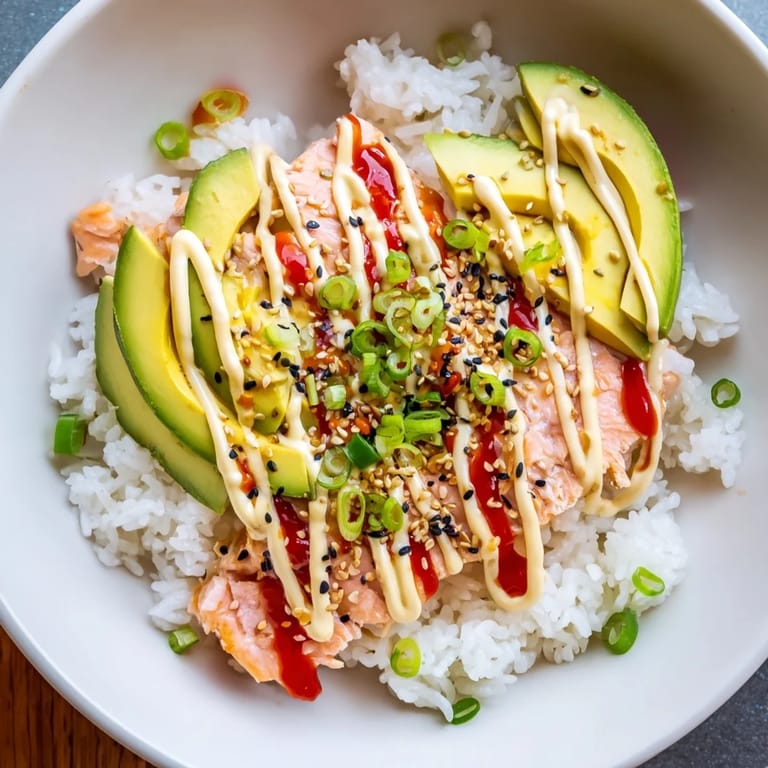 Save to Pinterest
 There's something grounding about this bowl that I didn't expect from something so quick. One night, after a week of takeout and stress, I made one for myself and realized I'd created something that felt both indulgent and restorative at the same time. It's become my quiet meal, the one I make when I need to feel like I'm taking care of myself.
Why This Bowl Works
The genius of this dish lies in its balance—warm rice, cool avocado, creamy mayo, sharp ginger, crispy seaweed, and the flake of salmon that holds it all together. None of the ingredients compete for attention, and yet somehow they create something bigger than the sum of their parts. Every element serves a purpose, from texture to flavor to that final brightness from the citrus.
Building Your Own Version
Once you've made this once, you'll understand the template well enough to play with it. The soy sauce and sesame oil are non-negotiable anchors, but everything else is fair game for substitution or addition. I've added cucumber ribbons on days when I wanted something crisper, swapped in spicy mayo for regular mayo when I was in that mood, and even tried smoked salmon when fresh wasn't available.
Small Details That Shift Everything
It's worth taking a moment to toast your sesame seeds if you have five minutes, because the difference between raw and toasted is the difference between a bowl and an experience. The nori is equally important—that crispy saltiness is your textural anchor and your edible wrapper all at once. If you can't find Japanese mayo, regular mayo with a tiny pinch of honey stirred in gets you close, but the real thing is worth hunting for.
- Make sure your salmon is fully flaked but not shredded into oblivion—you want pieces that hold together slightly.
- If your rice is from the fridge, a light sprinkle of water before microwaving prevents it from drying out.
- Arrange your toppings right before serving so they stay fresh and crisp rather than wilting into the warm rice.
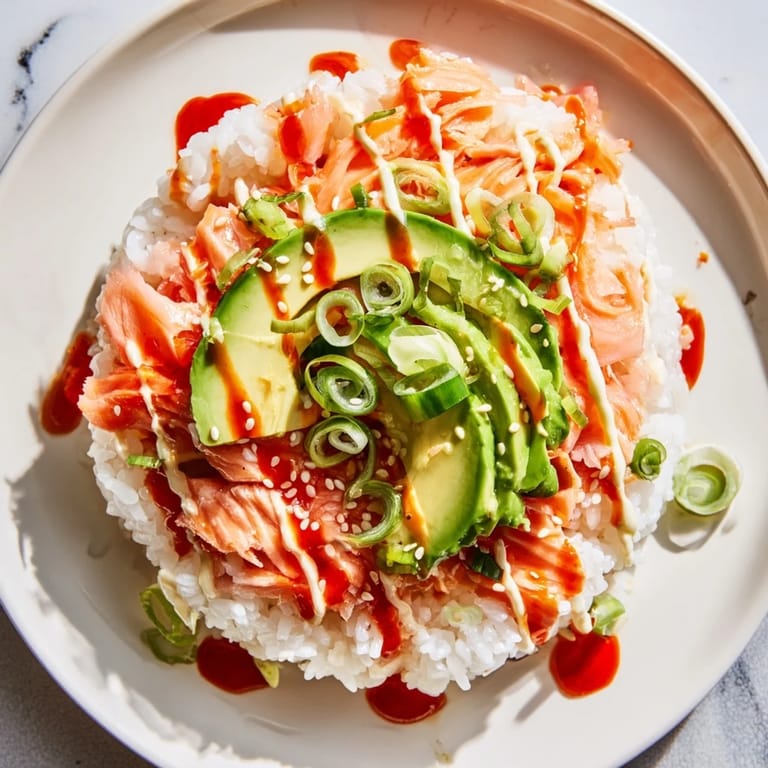 Save to Pinterest
 This bowl has become proof that some of the best meals are the simplest ones, the kind you can make without thinking too hard but that still feel intentional and thoughtful. It's comfort food that doesn't feel heavy, indulgence that doesn't require hours in the kitchen.