
 Save to Pinterest
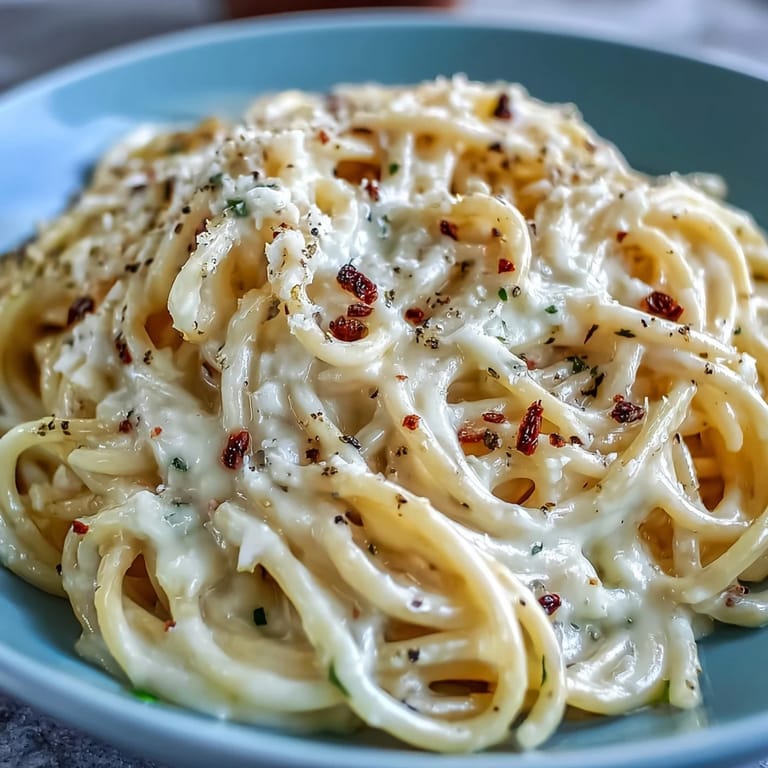
 My neighbor once told me that the simplest recipes are the hardest to master, and she was holding a plate of Cacio e Pepe when she said it. I laughed until I tried making it myself and ended up with clumpy cheese and regret. The magic is all in the timing and the toss, that moment when starchy pasta water meets sharp Pecorino and transforms into silk. Once you get it right, you'll never look at three ingredients the same way again. This is Roman comfort in a bowl, and it asks for nothing but your full attention.
I made this for a friend who had just moved into a new apartment with nothing but a single pot and a dream. We stood in her empty kitchen, tossing pasta over low heat, and when the sauce came together, she actually gasped. That's the thing about Cacio e Pepe: it doesn't need much, but it gives everything. We ate it straight from the skillet, sitting on the floor, and it tasted like possibility. Sometimes the best meals happen when you have the least to work with.
What's for Dinner Tonight? 🤔
Stop stressing. Get 10 fast recipes that actually work on busy nights.
Free. No spam. Just easy meals.
Ingredients
- Spaghetti or tonnarelli (400 g): Tonnarelli is the traditional choice with its square edges that grab sauce beautifully, but spaghetti works just as well and is easier to find.
- Pecorino Romano cheese (120 g, finely grated): This is the soul of the dish, salty and sharp, and it must be freshly grated or the sauce will turn grainy instead of creamy.
- Whole black peppercorns (2 tsp, freshly cracked): Toasting them releases oils that make the pepper taste alive, not just hot, so don't skip this step.
- Kosher salt (1 tsp for pasta water): The pasta water becomes part of the sauce, so salting it properly is not optional.
- Unsalted butter (1 tbsp, optional): Purists skip it, but a little butter makes the sauce glossy and forgiving if you're still learning the toss.
Instructions
- Boil the Pasta:
- Bring a large pot of water to a rolling boil, add salt, then cook the spaghetti until just al dente, about one minute shy of the package time. Before draining, scoop out 1½ cups of that starchy, cloudy pasta water—it's liquid gold for the sauce.
- Toast the Pepper:
- While the pasta bubbles away, add the cracked black pepper to a large dry skillet over medium heat and toast for about a minute, shaking the pan, until it smells woody and warm. This step wakes up the pepper and fills your kitchen with the kind of smell that makes people wander in asking what's cooking.
- Build the Base:
- Pour 1 cup of the reserved hot pasta water into the skillet with the toasted pepper and reduce the heat to low. Let it simmer gently, just enough to marry the flavors.
- Toss the Pasta:
- Add the drained pasta directly to the skillet and toss it around, letting it drink up some of that peppery water. This is where the pasta starts to become part of the sauce, not just something sitting in it.
- Create the Sauce:
- Pull the skillet off the heat and start sprinkling in the grated Pecorino, a handful at a time, tossing constantly and vigorously like you're trying to convince the cheese to melt without clumping. Add splashes of reserved pasta water as needed to keep everything moving and creamy.
- Finish with Butter (Optional):
- If you're using butter, toss it in now and stir until it melts into the sauce, adding a little extra richness and shine. It's not traditional, but it's a gentle safety net while you're learning.
- Serve Immediately:
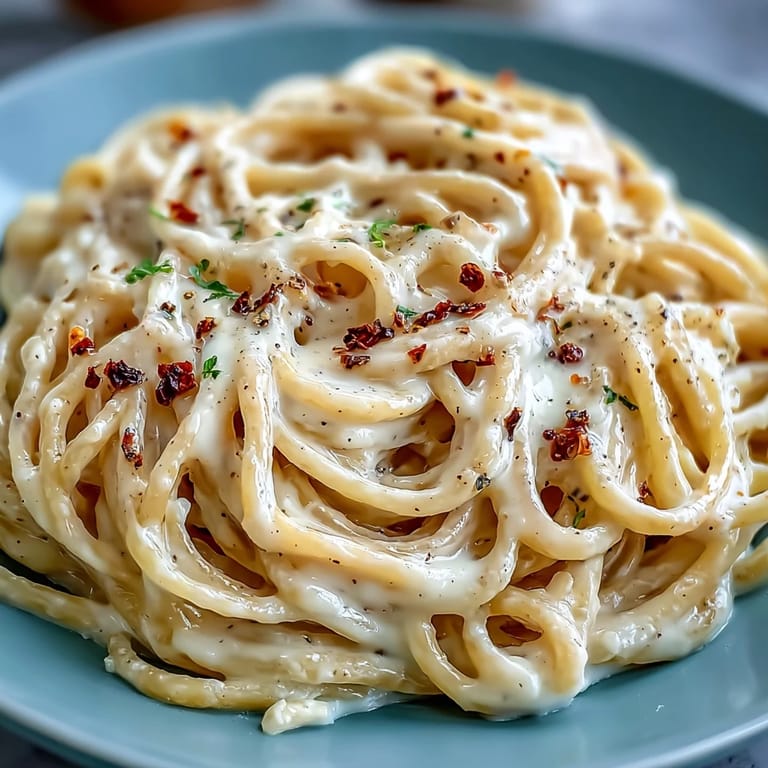
- Plate the pasta right away, topping each serving with more grated Pecorino and an extra crack of black pepper. Cacio e Pepe waits for no one—it's best the second it's done.
 Save to Pinterest
 One night, after a long week, I made this without thinking, just moving through the steps like muscle memory. When I sat down to eat, I realized I'd been holding my breath, and the first bite made me exhale. It wasn't just dinner—it was proof that I could take care of myself, even when I was tired. That's what a good recipe does: it shows up when you need it and asks for very little in return.
Choosing the Right Pasta
Tonnarelli is the classic choice in Rome, thicker and more textured than spaghetti, with square edges that catch every bit of sauce. If you can find it, use it, but spaghetti is a worthy stand-in and what most of us have on hand. The key is cooking it just shy of done, so it finishes in the skillet and soaks up all that peppery, cheesy goodness. I've tried this with bucatini, and while it worked, the hollow center made the sauce distribution a little uneven. Stick with something long and round, and you'll be happy.
The Pasta Water Secret
That cloudy, starchy water you usually dump down the drain is the unsung hero of this dish. It's what turns grated cheese and pepper into a creamy, clinging sauce without any cream. I learned this the hard way after trying to make Cacio e Pepe with tap water once—it was dry, broken, and sad. Now I treat pasta water like precious cargo, always saving more than I think I'll need. A little splash here and there can rescue a sauce that's too thick or bring everything back together if it starts to tighten up.
Storing and Reheating
Cacio e Pepe is best eaten the moment it's made, but life happens, and sometimes there are leftovers. Store any extra in an airtight container in the fridge for up to two days, though the sauce will thicken and lose some of its creaminess. When reheating, add a splash of water or milk to a skillet over low heat and toss gently until it loosens up again. Don't microwave it unless you're prepared for disappointment—it dries out and the cheese can get grainy.
- Always reheat on the stovetop with a little liquid to bring the sauce back to life.
- If the cheese has separated, a vigorous toss with a bit of hot water can re-emulsify it.
- Leftovers make a surprisingly good base for a frittata if you're feeling creative the next day.
 Save to Pinterest
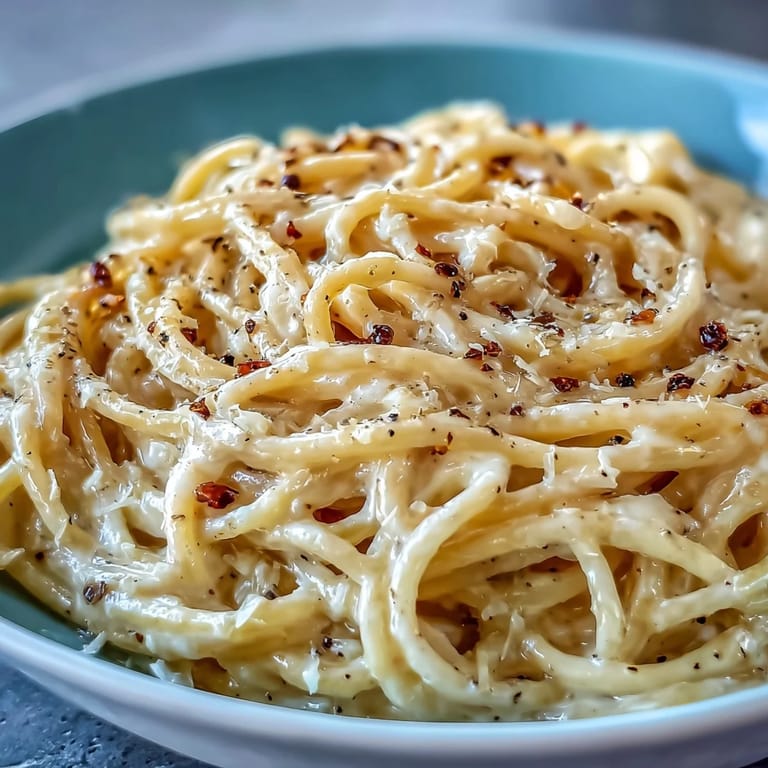
 Every time I make this, I'm reminded that the best cooking isn't about having the most ingredients or the fanciest tools—it's about understanding how a few simple things work together. Cacio e Pepe taught me that, one creamy, peppery bite at a time.
Recipe Q&A
- → What type of pasta works best for Cacio e Pepe?
Tonnarelli is the traditional choice, but spaghetti, bucatini, or other long pasta shapes work beautifully. The key is cooking it al dente so it absorbs the sauce properly.
- → Can I substitute Parmesan for Pecorino Romano?
While Pecorino Romano provides the authentic sharp, salty flavor, you can use Parmesan in a pinch. The taste will be milder and less traditional, but still delicious.
- → Why does my cheese clump instead of forming a creamy sauce?
This usually happens when the pan is too hot or the cheese is added too quickly. Remove from heat, add cheese gradually while tossing constantly, and use enough starchy pasta water to help emulsify.
- → How important is freshly cracked black pepper?
Extremely important—freshly cracked pepper delivers aromatic oils and bold flavor that pre-ground pepper simply cannot match. Toasting it enhances the taste even further.
- → Can I make Cacio e Pepe ahead of time?
This dish is best enjoyed immediately as the sauce can thicken and separate when reheated. If necessary, reheat gently with additional pasta water to restore creaminess.
- → Is butter traditional in Cacio e Pepe?
Authentic Roman versions typically skip butter, relying only on pasta water, cheese, and pepper. However, a small amount can add extra richness and help bind the sauce.