 Save to Pinterest
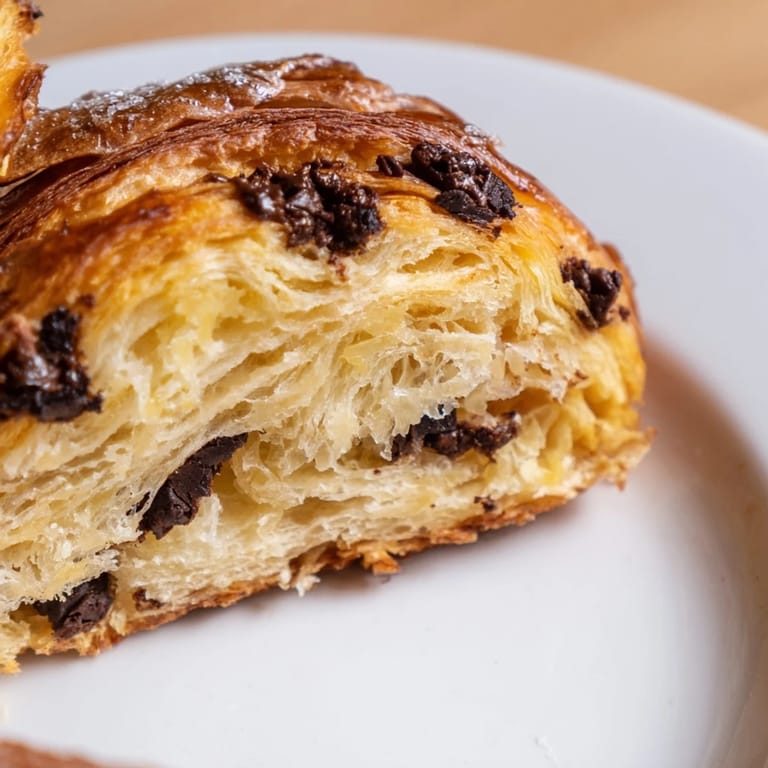
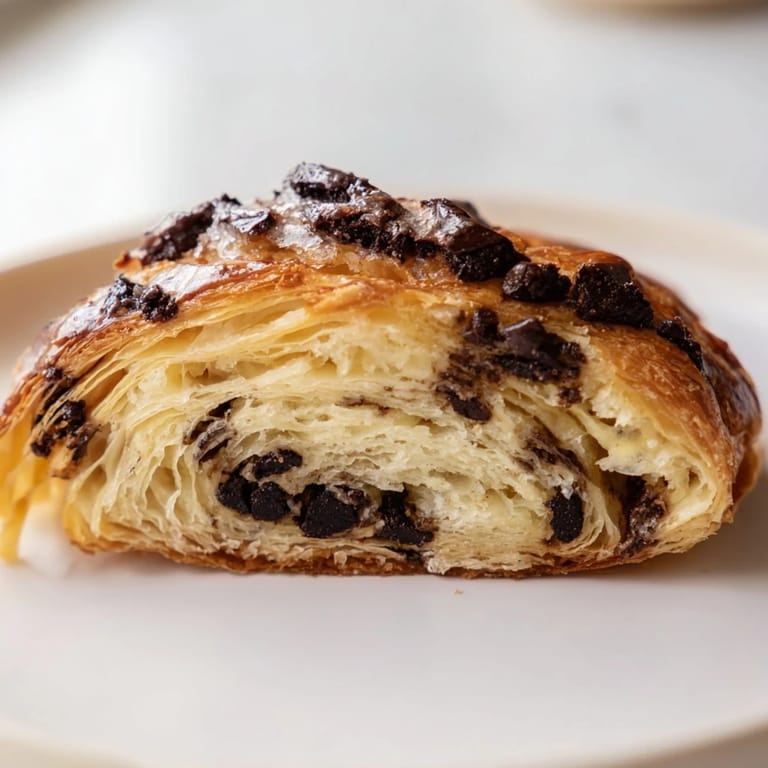
 The first time I attempted a crookie, I was standing in a Parisian bakery window, mesmerized by these golden, spiral pastries that seemed to exist in some impossible middle ground between croissant and cookie. The baker caught my stare and smiled, sliding one into a bag with a knowing wink. That first bite—the snap of the laminated layers giving way to gooey chocolate and caramelized edges—changed everything about what I thought dessert could be.
Last winter, I made these for a small baking circle at my friend's kitchen, and watching four different people taste one at the same time—that simultaneous pause, the involuntary close of their eyes—was when I realized this wasn't just a recipe, it was a moment-maker. One person said it tasted like a hug from a French pastry chef who also happened to bake cookies, and honestly, they weren't wrong.
What's for Dinner Tonight? 🤔
Stop stressing. Get 10 fast recipes that actually work on busy nights.
Free. No spam. Just easy meals.
Ingredients
- All-purpose flour (250 g for dough, 120 g for cookie layer): The foundation that holds both textures together; I learned to sift it lightly so the laminated dough stays tender and the cookies don't turn tough.
- Unsalted butter (175 g total, split between lamination and cookie dough): Cold butter for lamination creates those glorious flaky layers, while softened butter in the cookie layer keeps things rich and forgiving.
- Granulated and brown sugars: The mix of both gives you caramelized edges and deep flavor; don't skip the brown sugar, it's where the cookie character lives.
- Instant yeast (7 g): Just enough to give the dough a gentle rise without making it bread-like; this is what separates crookies from regular pastry.
- Whole milk (120 ml, lukewarm): The small detail that makes the dough tender instead of tough; if it's too hot, it'll kill the yeast, too cold and nothing activates.
- Egg and egg yolk: One egg hydrates the dough, the yolk enriches the cookie layer; they're the reason everything holds together with such luxury.
- Dark chocolate chips (100 g): Don't go cheap here; they're front and center, and quality chocolate tastes like you know what you're doing.
- Vanilla extract, baking soda, salt: These quiet ingredients are the difference between memorable and forgettable; measure them seriously.
Instructions
- Mix and knead your dough base:
- Combine flour, sugar, salt, and yeast in a bowl, then add the lukewarm milk, melted butter, and egg. The dough will look shaggy at first, but after 5 minutes of kneading, it transforms into something smooth and cooperative.
- First rest and chill:
- Shape the dough into a rough rectangle, cover it, and let it rest in the fridge for 30 minutes while you prepare the butter for lamination.
- Prepare your lamination butter:
- Place cold unsalted butter between two sheets of parchment paper and roll it into a 15x15 cm square; this becomes the engine of your flaky layers.
- Encase the butter:
- Roll your chilled dough to 30x15 cm, place the butter square in the center, then fold the dough over from both sides like you're tucking it in. Seal the edges carefully so butter doesn't escape during rolling.
- Build the layers:
- This is where patience becomes flavor. Roll the dough out to 45x20 cm, fold it into thirds (like a letter), chill for 30 minutes, then repeat the entire roll-and-fold process twice more, chilling between each turn. After the final fold, give it a full hour in the fridge to relax.
- Make your cookie dough while lamination rests:
- Beat softened butter with both sugars until the mixture looks light and fluffy, then add the egg yolk and vanilla. Gently fold in the flour mixture and chocolate chips until just combined; don't overmix or the cookies will toughen.
- Roll and assemble:
- Roll your laminated dough to 30x25 cm, about 6 mm thick, then spread or dollop the cookie dough over the surface, leaving a 1 cm border so nothing leaks out during rolling. Roll it up tightly from the long side, as if you're creating a pinwheel of possibility.
- Cut and proof:
- Slice the roll into 8 equal rounds using a sharp, clean knife; place them on parchment paper and let them rise at room temperature for 1 hour until they're puffy and ready to bake.
- Bake until golden:
- Bake at 190°C (375°F) for 18–20 minutes, watching for that golden-brown color that means the laminated layers have crisped and the chocolate has melted into its edges. The kitchen will smell like a patisserie and a cookie shop collided in the best way.
- Cool with patience:
- Transfer to a wire rack and let them cool slightly before eating; they're fragile when warm but develop structure as they rest.
 Save to Pinterest
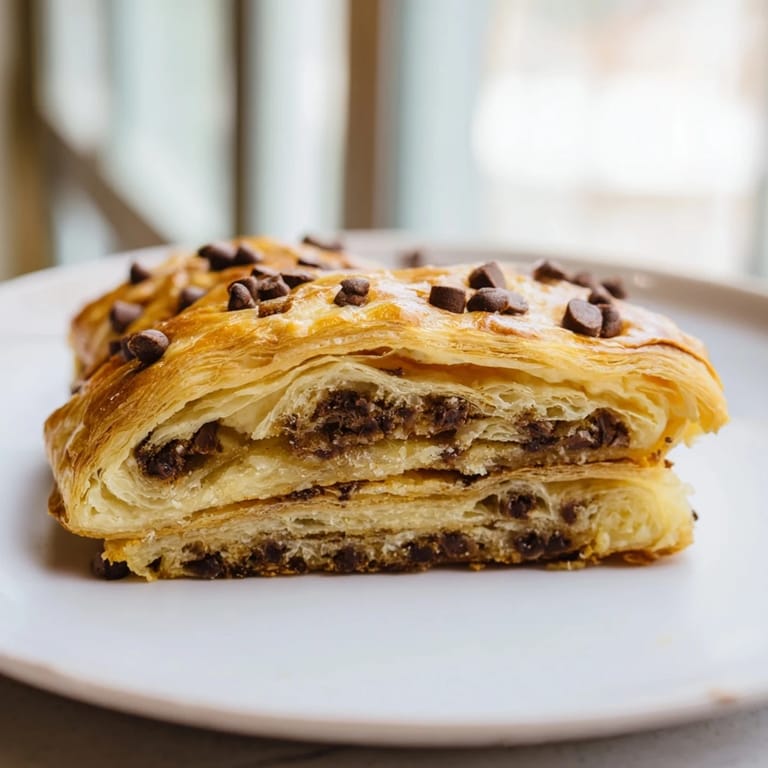
 There's something almost sacred about that moment when you pull crookies from the oven and watch the chocolate chips glisten as they cool, knowing you just created something that feels both sophisticated and approachable. This is the kind of dessert that makes people trust you in the kitchen, even if your track record is spotty elsewhere.
The Lamination Secret
Lamination might sound French and fancy, but it's really just a conversation between butter and dough, repeated three times. Each fold and rest creates another layer of separation, which is why you get those shatter-crisp layers when you bite in. The magic isn't in complicated technique; it's in respecting the process and not trying to rush it. I learned this the hard way after trying to skip a chill time and ending up with greasy dough that could barely hold its shape.
Why Cold Butter Matters
Cold butter doesn't dissolve into the dough the way soft butter does—it stays in distinct pieces, creating pockets of steam during baking that become your flaky layers. If your butter is even slightly warm, it'll integrate too smoothly and you'll end up with pastry that's more tender cake than croissant. This is the single most common reason someone makes crookies that taste delicious but lack that signature shatter.
Making It Your Own
The beauty of crookies is how generously they accept change. You can fold in different chocolates, add sea salt to the dough, press chopped pistachios or hazelnuts into the top before proofing, or even dust them with cinnamon sugar as soon as they come out of the oven. I once made a batch with espresso powder in the cookie dough and cardamom in the laminated dough, and they disappeared in minutes. The framework stays the same, but the personality is entirely yours.
- Try different chocolate—white chocolate and raspberry, dark chocolate with chili flake, or chopped Lindt truffles for extra luxury.
- Add texture with chopped nuts, seeds, or even a sprinkle of fleur de sel on top just after brushing with egg wash.
- Keep the rest of the recipe the same and let your additions become the story you tell when people taste them.
 Save to Pinterest
 Crookies are proof that the best things in life often come from combining what you love into something entirely new. They're the kind of recipe you'll find yourself making again and again, each time feeling a little more confident, a little more creative.
Recipe Q&A
- → What is laminated dough?
Laminated dough is a pastry dough layered with butter, rolled and folded multiple times to create thin, flaky layers when baked.
- → How long should the dough chill?
The dough needs to be chilled several times during folding and once for an hour after rolling to relax gluten and maintain butter layers.
- → Can I use other types of chocolate chips?
Yes, you can substitute dark chocolate chips with milk, white, or even flavored chocolate chips for variety.
- → What is the best way to store leftovers?
Store leftovers in an airtight container at room temperature for up to two days or refrigerate for up to four days.
- → How do I achieve a shiny finish on the pastry?
Brushing the tops with an egg wash before baking helps achieve a golden, glossy finish.
- → Is proofing necessary before baking?
Yes, proofing allows the dough to rise and develop a light, airy texture before baking.