
 Save to Pinterest
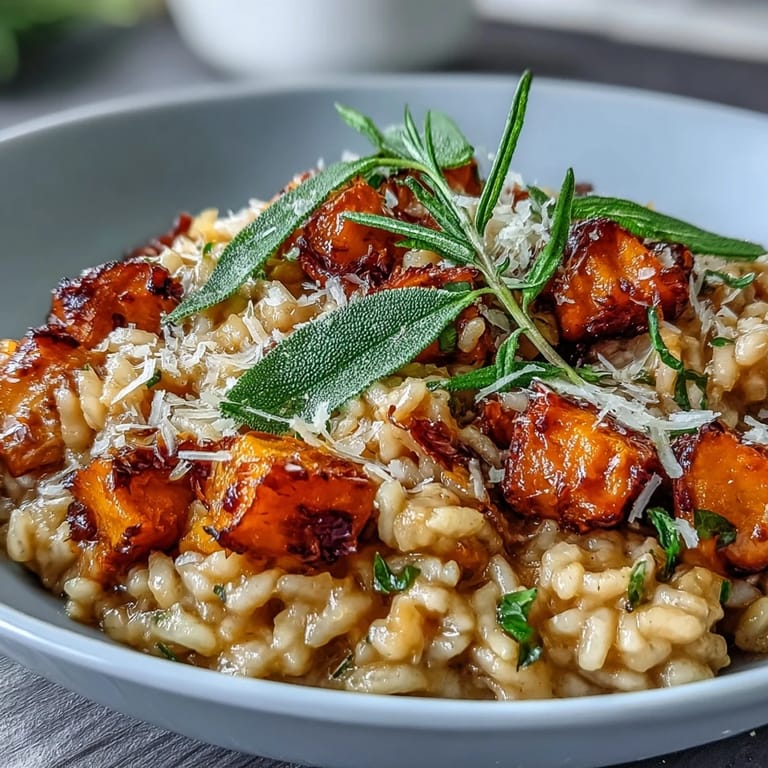
 The kitchen smelled like butter even though there wasn't any. That's what roasted pumpkin does when it caramelizes in the oven, filling the room with something sweet and almost indulgent. I was testing this risotto on a rainy October evening, skeptical that a plant-based version could nail that silky, luxurious texture I loved. But as I stirred in the roasted cubes and watched them melt into the rice, I realized I'd been underestimating what vegetables could do on their own.
I made this for a group of friends who weren't vegan, and I didn't mention it until we were halfway through dinner. They'd been too busy scraping their bowls clean to ask questions. One of them looked up, confused, wondering where the parmesan was. When I told them there wasn't any, the table went quiet for a second before someone said, well, I guess we don't need it. That felt like a small victory.
What's for Dinner Tonight? 🤔
Stop stressing. Get 10 fast recipes that actually work on busy nights.
Free. No spam. Just easy meals.
Ingredients
- Pumpkin: Roasting it first concentrates the sweetness and gives you those golden, caramelized edges that make the risotto feel richer without adding cream.
- Arborio rice: The high starch content is what creates that signature creaminess, so don't skip the stirring or try to rush it with too much broth at once.
- Vegetable broth: Keep it warm on a back burner so the rice cooks evenly and doesn't seize up when you add cold liquid.
- Olive oil: Use a good one, it's doing a lot of the flavor work here, especially when you fry the sage.
- Fresh sage leaves: They crisp up in seconds and turn into these delicate, aromatic chips that add texture and a slightly peppery note.
- Dry white wine: It adds acidity and depth, but if you skip it, a squeeze of lemon at the end will brighten things up just as well.
- Nutritional yeast: This is the secret to that cheesy, umami flavor without any dairy, just a couple tablespoons and it transforms the whole dish.
- Nutmeg: A small grate goes a long way, it brings out the sweetness of the pumpkin and adds a warm, cozy undertone.
Instructions
- Roast the pumpkin:
- Toss the diced pumpkin with olive oil, salt, and pepper, then spread it on a baking tray and roast until the edges turn golden and the flesh is tender. This step builds the foundation of flavor, so don't pull it out too early.
- Sauté the aromatics:
- Cook the onion in olive oil until it's soft and translucent, then add the garlic and let it bloom for just a minute so it doesn't burn.
- Toast the rice:
- Stir the arborio rice into the pan and let it toast for a couple minutes, coating each grain in oil. You'll hear it crackle slightly, and it should smell nutty.
- Add the wine:
- Pour in the white wine and stir until the rice absorbs it almost completely. The alcohol cooks off, leaving behind a subtle acidity that balances the sweetness of the pumpkin.
- Cook the risotto:
- Add the warm broth one ladleful at a time, stirring frequently and letting the rice drink it in before adding more. This slow process releases the starch and creates that creamy texture you're after.
- Fry the sage:
- While the rice cooks, heat a little olive oil in a small skillet and fry the sage leaves until they're crisp and fragrant. They'll continue to crisp as they cool, so don't overdo it.
- Fold in the pumpkin:
- Once the rice is al dente and creamy, gently stir in the roasted pumpkin, nutmeg, and nutritional yeast. Taste and adjust the seasoning with salt and pepper.
- Serve:
- Spoon the risotto into bowls and top with the crispy sage leaves and a sprinkle of lemon zest if you want a little brightness.
 Save to Pinterest
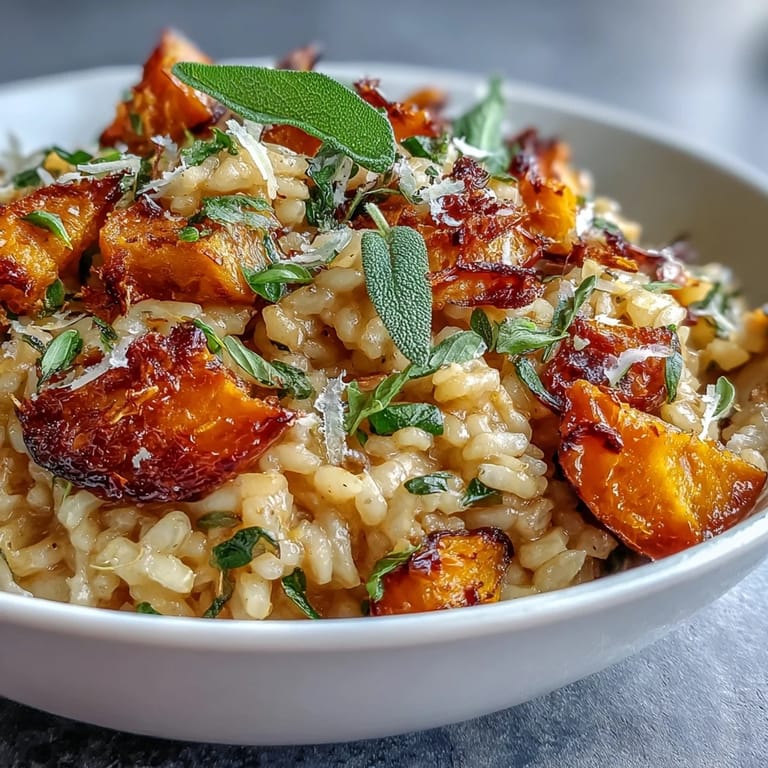
 There's a moment when you're stirring risotto, about halfway through, when you start to see it transform. The rice goes from separate grains floating in broth to this unified, glossy mixture that clings to the spoon. It's meditative, almost hypnotic, and I've found myself standing there longer than necessary just to watch it happen. That's when I know it's going to turn out right.
How to Get the Creamiest Texture
The secret is patience and a little bit of muscle. Stirring releases the starch from the rice, which is what thickens the broth and gives risotto that signature creaminess. If you add too much liquid at once or don't stir enough, the rice will cook unevenly and the texture will be off. I learned this the hard way after a batch that turned out more like soup than risotto. Now I treat it like a conversation, checking in every minute or so, adding just enough broth to keep things moving without drowning the rice.
Roasting vs. Steaming the Pumpkin
I tried steaming the pumpkin once to save time, and while it worked, the risotto tasted flat. Roasting caramelizes the natural sugars and deepens the flavor in a way that steaming just can't replicate. Those golden, slightly charred edges add a richness that makes the whole dish feel more complex. If you're short on time, you can roast the pumpkin a day ahead and store it in the fridge, it'll still taste just as good when you fold it into the rice.
What to Serve Alongside
This risotto is rich enough to stand on its own, but I like to pair it with something crisp and acidic to cut through the creaminess. A simple arugula salad with lemon vinaigrette works beautifully, or roasted Brussels sprouts if you want to keep the autumn theme going. A glass of chilled vegan white wine ties it all together, something with a little minerality to balance the sweetness of the pumpkin.
- Keep a small pot of broth simmering on the stove so you can add it gradually without cooling down the rice.
- If the risotto thickens too much as it sits, stir in a splash of warm broth to loosen it back up before serving.
- Leftover risotto can be shaped into patties and pan fried for crispy rice cakes the next day.
 Save to Pinterest
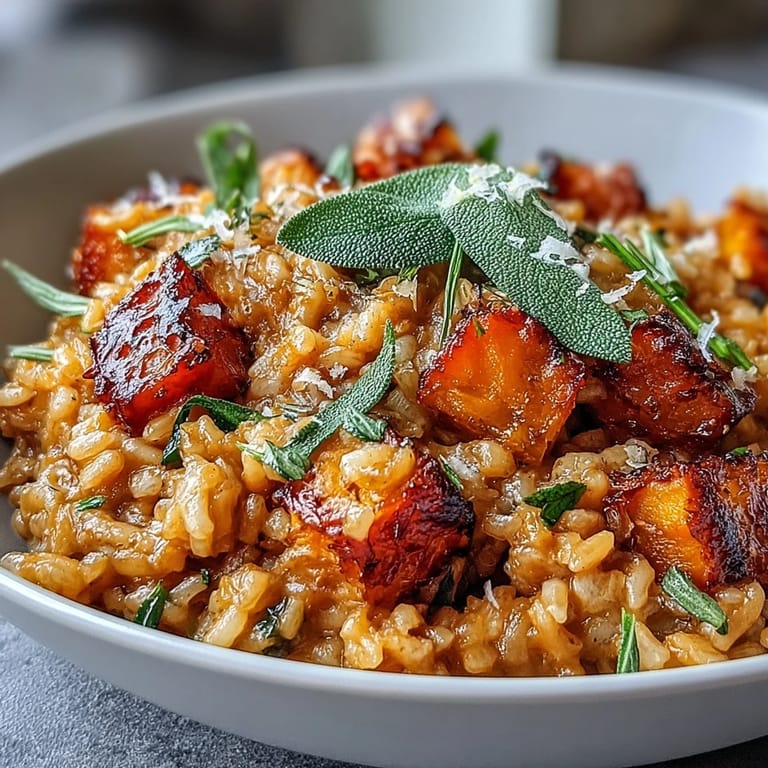
 This risotto has become my go to when I want something comforting but not heavy, something that feels special without requiring hours in the kitchen. It reminds me that plant based cooking doesn't mean compromise, just a little creativity and a willingness to let the ingredients speak for themselves.
Recipe Q&A
- → Can I use butternut squash instead of pumpkin?
Yes, butternut squash works perfectly as a substitute. It has a similar sweetness and texture when roasted, making it an excellent alternative if pumpkin isn't available.
- → How do I achieve the creamiest texture?
Blend half of the roasted pumpkin before adding it to the risotto. This creates a velvety base while keeping some chunks for texture. Also, stir frequently and add broth gradually for optimal creaminess.
- → Can I make this without wine?
Absolutely. The wine is optional and can be omitted or replaced with additional vegetable broth. The risotto will still be delicious and creamy without it.
- → How do I prevent the sage from burning?
Fry the sage leaves over medium-high heat for only 30-60 seconds until they just start to crisp. Watch them closely and transfer immediately to a paper towel to stop the cooking process.
- → Can I prepare any components ahead of time?
Yes, you can roast the pumpkin up to 2 days in advance and store it refrigerated. The crispy sage can be made a few hours ahead, though it's best served fresh for maximum crispiness.
- → What type of rice must I use?
Arborio rice is essential for authentic risotto texture. Its high starch content creates the signature creaminess. Other short-grain rice varieties like Carnaroli can work, but avoid long-grain rice.