 Save to Pinterest
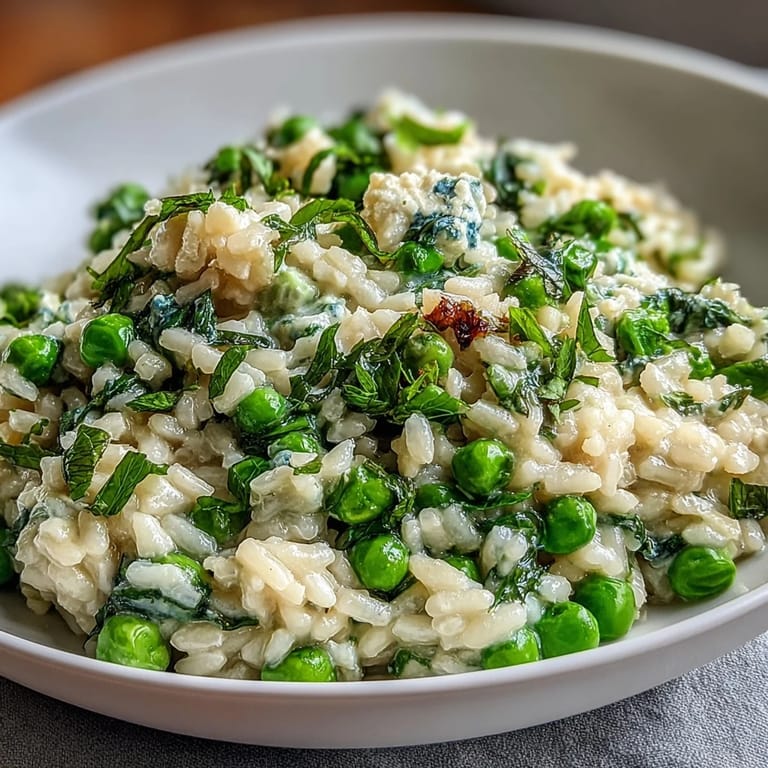
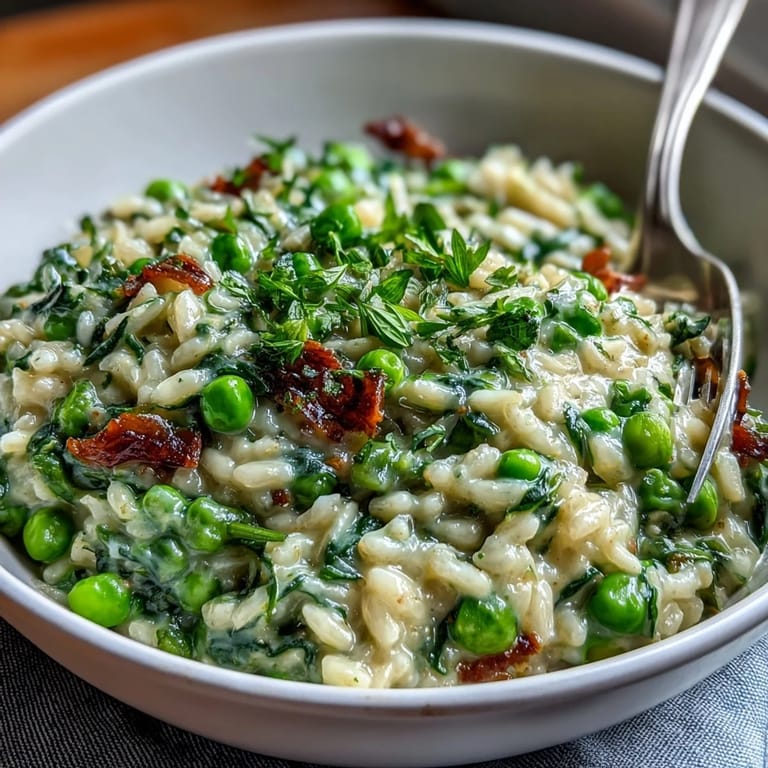
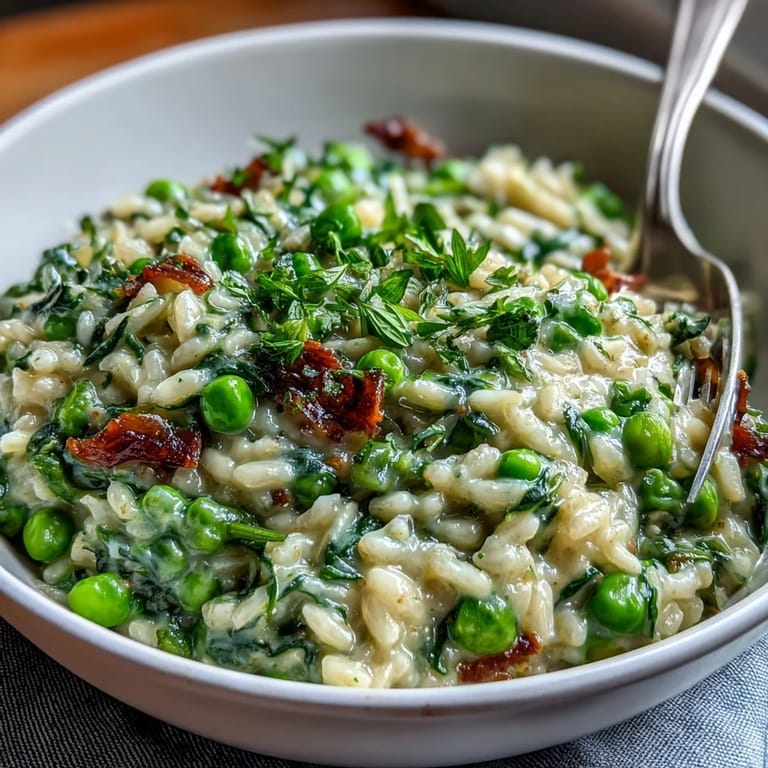
 The first time the scent of simmering Arborio rice and freshly zested lemon wafted through my open kitchen window, I knew spring had officially arrived. Thunder rolled in the distance, but inside, everything felt bright as I stirred a velvety risotto flecked with sweet spring peas and fresh mint. The process was almost meditative—one ladleful of broth at a time, watching patience transform simple grains into the kind of creamy comfort I crave after a rainstorm. Bits of Parmesan clung to my fingers as I grated, and I didn’t even mind; it all felt right for an afternoon dedicated to savoring seasonal flavors. This risotto isn’t just about technique; it’s a way of inviting the green vibrancy of the season onto your plate.
One damp April evening, I made this dish for a few friends, barely drying my hands between all the brothy ladling and friendly storytelling. My biggest concern was whether my kitchen playlist would drown out the sizzle as shallots hit olive oil, but instead, everyone crowded in, asking to taste and begging for seconds. We ate elbow to elbow at my little wooden table, Parmesan melting into the plates faster than I could offer more. Someone spilled wine and no one cared. That’s when I realized this risotto had solidified its place as my springtime go-to.
What's for Dinner Tonight? 🤔
Stop stressing. Get 10 fast recipes that actually work on busy nights.
Free. No spam. Just easy meals.
Ingredients
- Spring peas: Sweeter and crisper than you’d expect, fresh peas pop brilliantly, while frozen peas are a perfect stand-in if you only have those; just add them straight from the freezer.
- Shallot: Its gentle sweetness and mildness ensure the risotto base is flavorful without overwhelming the peas.
- Garlic: Let it just barely turn fragrant—you want a whisper of garlic, not a shout.
- Fresh mint: Never skip it; chopped fine, it brightens every bite and makes the dish truly sing spring.
- Lemon zest: Adds a subtle vibrance, so I always use a microplane for those delicate curls.
- Arborio rice: Short-grained and starchy, this is key for that signature risotto creaminess—don’t rinse it.
- Vegetable broth: Warmed gently, it helps the rice become tender without shocking it cold; low-sodium gives you seasoning control.
- Dry white wine: The splash of acidity balances all the rich dairy; a crisp Pinot Grigio is my preference, but use what’s open.
- Olive oil: Lovely for sautéing and keeps the flavors bright at the very start.
- Unsalted butter: Stirred in at the end, it makes everything lush—use cold butter for best results.
- Parmesan cheese: The saltiness and umami transform the risotto; freshly grated is so worth the effort.
- Kosher salt: I add in pinches throughout, since the Parmesan offers saltiness too.
- Freshly ground black pepper: Add just enough to enhance, not dominate, all those fresh notes.
Instructions
- Warm the broth:
- Pour the vegetable broth into a saucepan and keep it just below a simmer on the back burner. Your risotto will cook gently and absorb flavor more evenly.
- Sauté the aromatics:
- In a wide, heavy pan, heat olive oil on medium, then add the shallot and garlic—listen for their soft sizzle and breathe in as their perfume starts to fill your kitchen.
- Toast the rice:
- Stir in the Arborio rice, coating every grain in oil until it looks glossy and smells ever-so-faintly nutty, about two minutes.
- Deglaze with wine:
- Pour in white wine and stir; watch as it bubbles away, leaving just the tenderness and a hint of brightness.
- Add broth gradually:
- Begin ladling in warm broth, stirring gently—wait for each bit to be absorbed before adding the next; this ritual is where the magic happens.
- Stir in peas:
- Once you’ve been adding broth for about 15 minutes, drop in the peas—listen for that light, popping sound and notice how green the pot becomes.
- Finish the risotto:
- When the rice is glossy and softly al dente, remove from heat; swirl in butter, Parmesan, mint, and lemon zest—taste, adjust salt and pepper, and sneak one last bite before you dish up.
- Serve immediately:
- Spoon into warmed dishes, shower with extra Parmesan and mint if you’d like, and enjoy right away for optimal creaminess.
 Save to Pinterest
  Save to Pinterest
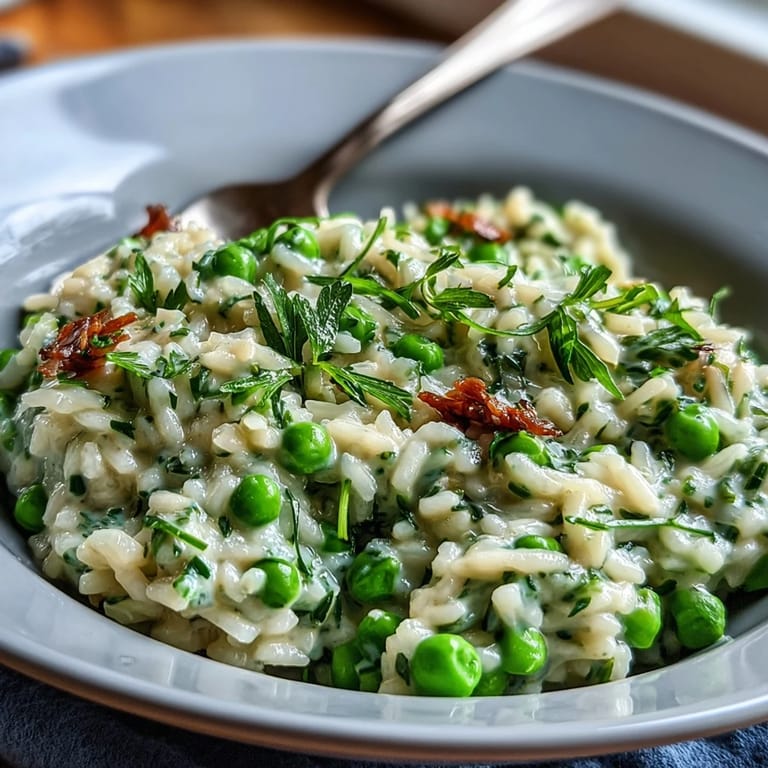
 Somehow, every time I serve this, someone leans back and sighs with that first mouthful—delighting in the creamy comfort and the brightness of mint hiding in every spoonful. It’s quietly delightful when a recipe you make on a whim turns into the centerpiece of a night spent laughing in good company.
What Makes This Risotto Special?
Risotto can seem intimidating, but there’s a true joy in the gentle, constant stirring. I’ve found it’s the kind of recipe that pulls people into the kitchen; someone always wants to help, and by the end, everyone’s equally invested in tasting every stage.
How to Get That Perfect Creaminess
The texture is all in the patience. The key is adding just enough broth each time—let the rice get thirsty for the next ladle rather than drowning it, and resist the urge to rush so you get that dreamy, elegant finish.
Swaps and Serving Suggestions
I’ve played with swapping pecorino for parmesan for a sharper, more assertive finish, and a handful of baby spinach stirred in at the end makes it even more vibrant. It also pairs stunningly with a salad tossed in lemony vinaigrette or alongside simply grilled asparagus.
- Try a swirl of heavy cream for added luxury.
- Ladle leftovers into a pan with a splash of broth to revive them beautifully the next day.
- Always serve risotto as soon as it’s ready to enjoy its silkiest texture.
 Save to Pinterest
  Save to Pinterest
 I hope this risotto brings the bright, fresh joy of spring to your kitchen, no matter the weather or the company. There’s something quietly rewarding about coaxing comfort from a humble pan of rice and peas.
Recipe Q&A
- → How long does this take to make?
About 45 minutes total: 15 minutes of prep and roughly 30 minutes of active cooking while you gradually add warm broth and stir until the rice is creamy and al dente.
- → Can I use frozen peas instead of fresh?
Yes. Add frozen peas in the last 5–7 minutes of cooking so they thaw through, retain bright color and a slight bite without overcooking.
- → What type of rice is best?
Use Arborio or other short-grain risotto rice such as carnaroli or vialone nano; they release starch during stirring for the characteristic creamy texture.
- → How do I ensure a creamy finish?
Keep the broth warm, add it one ladle at a time while stirring steadily, and finish off with cold butter and grated aged Parmesan to emulsify and enrich the dish.
- → Is the white wine necessary?
White wine adds brightness and acidity, but you can omit it and replace it with an equal amount of warm broth; the technique still yields a creamy result.
- → How should I serve and garnish it?
Serve immediately while hot. Garnish with extra grated Parmesan, torn mint leaves and a little lemon zest to lift the flavors. A crisp white wine pairs well if desired.