 Save to Pinterest
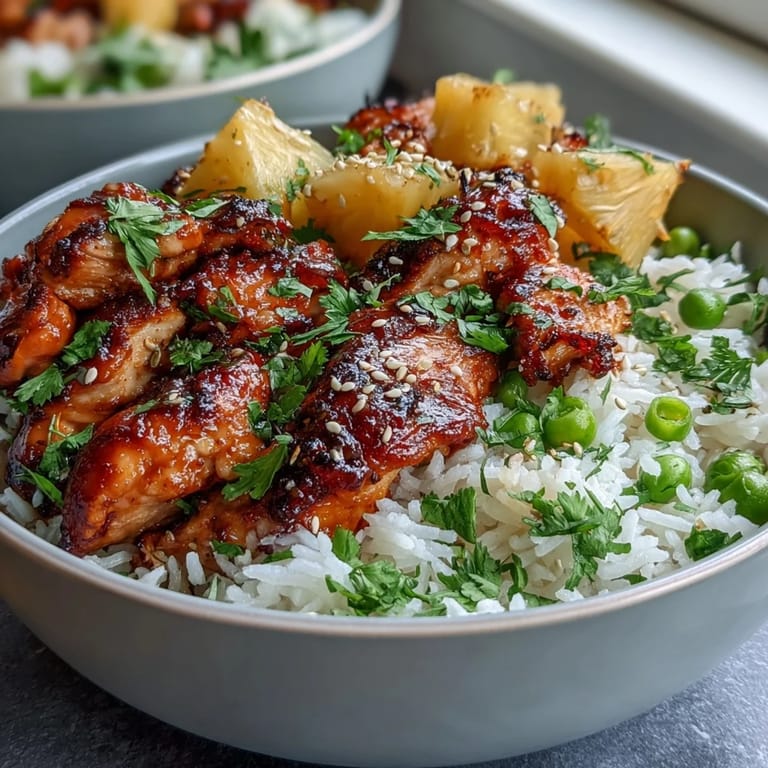
 Last summer, I was flipping through a cooking magazine at my dentist's office—you know, that weird place where you read about things you'll probably forget by the time you leave—and there was this photo of a rice bowl gleaming with glossy sauce and chunks of caramelized pineapple. I thought it looked too good to be real, like something that required serious culinary skills. Turns out, it doesn't. I made it that weekend and my family devoured it in about eight minutes flat, and suddenly this became the meal I make when I want to feel like I've traveled somewhere tropical without leaving my kitchen.
I made this for a dinner party once when I was genuinely uncertain if I could pull it off, and a guest took a bite and closed their eyes like she was transported somewhere. Her husband asked if we could make it every week, and honestly, that reaction made me realize how much power there is in a dish that tastes like vacation but comes from your own stove.
What's for Dinner Tonight? 🤔
Stop stressing. Get 10 fast recipes that actually work on busy nights.
Free. No spam. Just easy meals.
Ingredients
- Boneless, skinless chicken thighs or breasts (500 g): Thighs stay juicier if you overcook them slightly, but breasts work too if you're watching fat intake; cut everything into uniform bite-sized pieces so they cook at the same rate.
- Vegetable oil (1 tbsp): Keep the heat high enough that the oil shimmers; this creates that golden exterior that makes the chicken actually taste better.
- Salt and pepper: Season the chicken before it hits the pan, not after, so the seasoning has time to penetrate.
- Soy sauce (80 ml): Use low-sodium if you prefer less saltiness, but taste the sauce before serving because it might need a pinch more.
- Pineapple juice (80 ml): Fresh juice makes a difference, but the bottled kind works in a pinch; avoid the stuff labeled 'pineapple drink' which is mostly sugar.
- Brown sugar (2 tbsp): This adds depth that white sugar can't replicate; it creates a richer, almost caramel-like note.
- Honey (1 tbsp): A small amount brings shine and helps the sauce coat the chicken like it's been glazed.
- Rice vinegar (1 tbsp): This keeps the sauce from being cloyingly sweet and adds a subtle brightness that grounds everything.
- Garlic (2 cloves, minced) and fresh ginger (1 tsp, grated): These are non-negotiable; they transform the sauce from okay to restaurant-quality.
- Cornstarch slurry (1 tbsp cornstarch mixed with 2 tbsp cold water): This is what makes the sauce thicken into a glossy coat that sticks to everything rather than pooling at the bottom of the bowl.
- Jasmine or short-grain white rice (240 g): Jasmine rice has a subtle floral quality that pairs beautifully with the tropical elements; rinsing it removes excess starch so grains stay separate.
- Red bell pepper (1 medium): Slice thinly so it cooks in just a few minutes and stays crisp; the color is visual proof that vegetables matter.
- Fresh pineapple (150 g, diced): Fresh always tastes better than canned here because you want that juicy crunch; if pineapple isn't in season, frozen cubed pineapple is your second-best friend.
- Snap peas or snow peas (100 g): These are the texture element that keeps the bowl from feeling mushy; they need minimal cooking time.
- Spring onions (2, thinly sliced): These add a sharp, fresh note that cuts through the richness of the sauce; use both white and green parts.
- Sesame seeds (1 tbsp): Toast them lightly in a dry pan first if you have time; it unlocks their nutty flavor and makes the dish taste intentional.
- Fresh cilantro (optional): This is not optional in my kitchen; it bridges the gap between sweet, savory, and tropical perfectly.
Instructions
- Get the rice started first:
- Rinse rice under cold water until the water runs clear, which takes about a minute and removes the starchy coating that makes rice gluey. Combine rice and water in a saucepan, bring to a boil, then immediately cover and reduce heat to low; simmer undisturbed for 15 minutes, then remove from heat and let it rest, still covered, for 5 minutes before fluffing with a fork.
- Sear the chicken until golden:
- Heat vegetable oil in a large skillet over medium-high heat until it shimmers, then season chicken pieces with salt and pepper and add them to the hot pan in a single layer. Let them sit undisturbed for 2-3 minutes so they develop a golden crust, then stir and cook for another 3-4 minutes until cooked through; resist the urge to move them around constantly.
- Quick-cook the vegetables:
- In the same skillet, add sliced bell pepper and snap peas directly to the residual oil and heat; stir-fry for 2-3 minutes until they're just tender but still crisp enough to have a snap when you bite them. Remove everything to a plate and set aside.
- Build the teriyaki sauce:
- In a small saucepan, combine soy sauce, pineapple juice, brown sugar, honey, rice vinegar, minced garlic, and grated ginger over medium heat, stirring occasionally until the sugar dissolves completely. You'll smell the garlic and ginger opening up after a minute or so, which is your signal things are working.
- Thicken the sauce into glossy perfection:
- Mix cornstarch with cold water in a small bowl to form a smooth slurry with no lumps, then pour it slowly into the simmering sauce while stirring constantly; it should thicken visibly within about 1 minute and coat the back of a spoon.
- Bring it all together:
- Return the chicken and vegetables to the skillet, pour in the teriyaki sauce, and toss everything gently until well coated, then add the diced pineapple and let it warm through for about 2 minutes. The pineapple should stay somewhat firm rather than cook into mush.
- Assemble and serve:
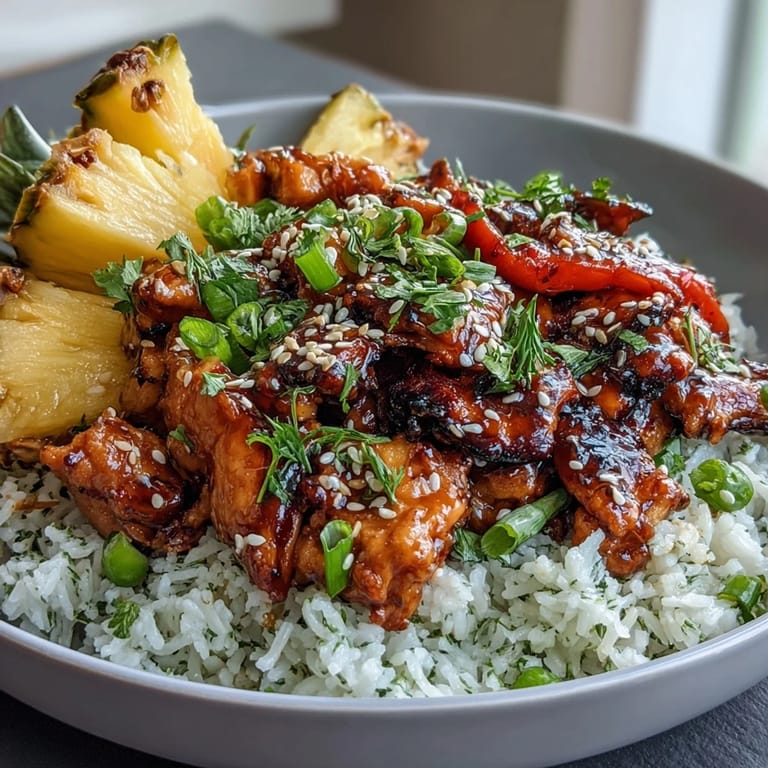
- Divide fluffy rice among four bowls, then top each with the teriyaki chicken mixture, a generous spoonful of vegetables and pineapple, then finish with a sprinkle of spring onions, sesame seeds, and cilantro if using. Serve immediately while everything is still warm.
 Save to Pinterest
 There was this evening when my teenage son actually stayed at the dinner table instead of disappearing into his room, asking to try more of the sauce and what spices made it taste like this. That's the moment I realized this dish does something quietly special—it makes people want to linger and pay attention to their food.
The Secret to Restaurant-Quality Glaze
The difference between homemade teriyaki that tastes flat and one that tastes like it came from a professional kitchen is patience with the sauce. When you combine those ingredients and let them simmer instead of just stirring them together cold, the garlic and ginger have time to release their essential oils and flavor the entire sauce evenly. That cornstarch slurry does more than thicken; it creates a silky texture that clings to every piece of chicken and coats your mouth in the best possible way. Most people think teriyaki has to be complicated, but it's really just understanding that heat and time unlock flavors that raw ingredients never could.
Why Fresh Pineapple Changes Everything
I used canned pineapple the first time I made this, and while it was perfectly fine, it was also forgettable—the sweetness was flat and the texture was mushy by the time everything came together. Fresh pineapple brings a brightness and a slight tartness that balances the sweet sauce; it also stays firm enough that you get an actual bite to it rather than something that dissolves on your tongue. The juiciness of fresh fruit means every forkful has moisture and flavor, not just sweetness. If you're buying a whole pineapple, look for one that smells fragrant at the base and feels slightly soft when you gently press it—that's when it's at peak ripeness.
Make It Your Own
The beauty of a rice bowl is that it adapts to whatever you have on hand or whatever you're craving that day. I've made versions with tofu instead of chicken when I wanted something lighter, and the teriyaki glaze clings to tofu even better than it does chicken because the surface is softer. Some nights I add shredded carrots for extra crunch and a subtle sweetness, or edamame for protein and a different texture entirely. You can also swap the jasmine rice for brown rice or even cauliflower rice if you're going that direction, and the dish still works beautifully because the sauce and the fresh elements carry it.
- Consider adding cashews or peanuts for crunch if you want an extra textural element.
- A drizzle of sriracha or chili oil at the end adds heat that complements the sweet-savory balance.
- Make double the sauce if you like things extra glossy; you can never have too much teriyaki coating your bowl.
 Save to Pinterest
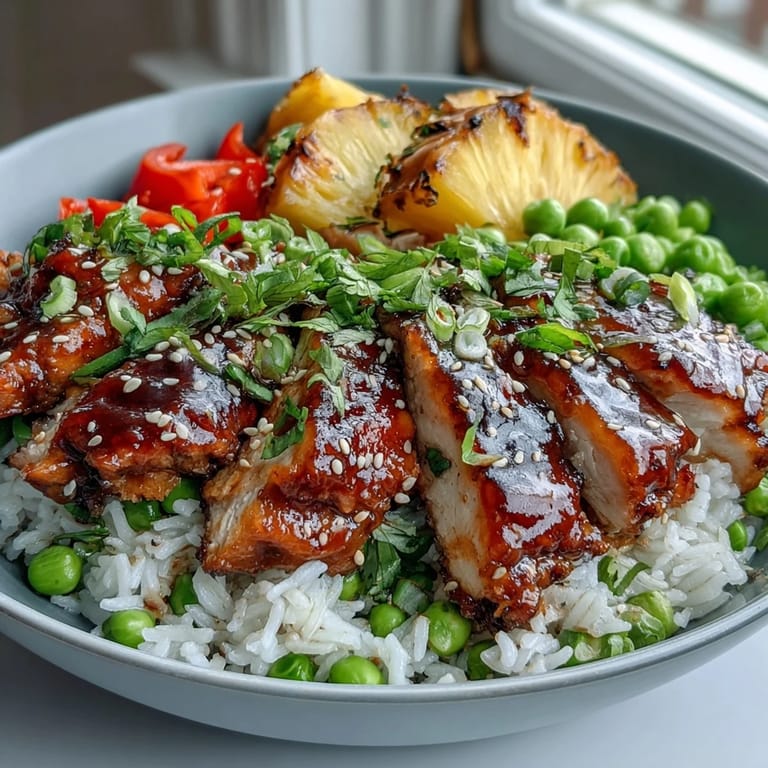
 This is the kind of meal that tastes like you tried harder than you actually did, which makes it perfect for those nights when you want something that feels special but don't have hours to spend in the kitchen. Once you make it once, it becomes part of your regular rotation, and that's how you know it's a keeper.
Recipe Q&A
- → What type of chicken works best?
Boneless, skinless chicken thighs or breasts are ideal for even cooking and tender results.
- → Can I use a different type of rice?
Yes, jasmine or short-grain white rice provides the best texture, but medium-grain varieties work well too.
- → How do I achieve the perfect teriyaki sauce consistency?
Mix cornstarch with cold water to create a slurry and stir it into the simmering sauce until it thickens to a glossy finish.
- → Are there vegetarian alternatives for this dish?
Replacing chicken with firm tofu offers a satisfying vegetarian option with similar textures.
- → What sides or drinks pair well?
This dish pairs nicely with dry Riesling or chilled green tea to complement its sweet and savory flavors.