 Save to Pinterest
 My neighbor knocked on the door one April evening with a bowl of fresh peas from her garden, still dusty with soil, and I suddenly understood why people get excited about spring produce. That night I threw together butter, lemon, and pasta in a way that felt almost accidental, but somehow the kitchen smelled like sunshine and the dish tasted like the exact meal I didn't know I needed. Now whenever I make this, it brings back that moment of opening the door to find her standing there with something simple that changed dinner.
I made this for my sister on a Tuesday when she was going through a rough patch, and she sat at my kitchen counter eating straight from the bowl, not even bothering with a proper plate. She said it tasted like the opposite of whatever she'd been feeling that week, and something about butter and lemon and bright green peas just cutting through the heaviness. That's when I realized this pasta isn't just food—it's the kind of thing you cook for someone when you want them to know things get better.
What's for Dinner Tonight? 🤔
Stop stressing. Get 10 fast recipes that actually work on busy nights.
Free. No spam. Just easy meals.
Ingredients
- Linguine or spaghetti (12 oz): The thinner the pasta, the better it holds the sauce without weighing it down.
- Fresh or frozen green peas (1 cup): Fresh peas in spring are magical, but frozen ones work just as well and sometimes taste brighter because they're frozen at peak ripeness.
- Garlic, minced (2 cloves): Don't brown it or the whole dish tastes bitter—you want it just fragrant and pale.
- Lemon zest and juice (1 lemon): This is the whole soul of the dish, so use a real lemon and zest it before cutting.
- Fresh parsley, chopped (2 tbsp): Stir it in at the very end so it stays bright green and tastes alive.
- Unsalted butter (4 tbsp): Cold butter melts into a silky sauce way better than margarine ever could.
- Grated Parmesan cheese (1/2 cup plus more for serving): Freshly grated melts into the sauce like it belongs there; pre-grated cheese with all those anti-caking agents doesn't cooperate the same way.
- Salt and black pepper (1/2 tsp and 1/4 tsp): Season aggressively at the end when you can taste everything together.
Instructions
- Boil the pasta water:
- Fill a large pot three-quarters full with water and let it come to a rolling boil—you'll hear it before you see it. Add enough salt so it tastes like the sea, then add your pasta and cook until al dente, which means there's still just a tiny bit of resistance when you bite it.
- Start the butter and garlic:
- While the pasta cooks, melt your butter in a skillet over medium heat and watch it foam slightly, then add the minced garlic. Stay right there—you want it to smell incredible but not turn brown or bitter, which takes about one minute.
- Add the peas:
- Stir in your peas and let them warm through, which takes 2–3 minutes if they're frozen or just a couple minutes if they're fresh and tender.
- Build the sauce with lemon:
- Add your lemon zest and juice to the skillet and watch the whole thing come alive with color and brightness. The acid from the lemon is what makes this sauce taste clean and spring-like.
- Combine pasta with sauce:
- Drain your pasta but before you do, grab a cup of that starchy cooking water—it's liquid gold for making the sauce creamy. Toss the hot pasta into the skillet with about half a cup of that water and let it all mingle together over medium heat.
- Add cheese and seasoning:
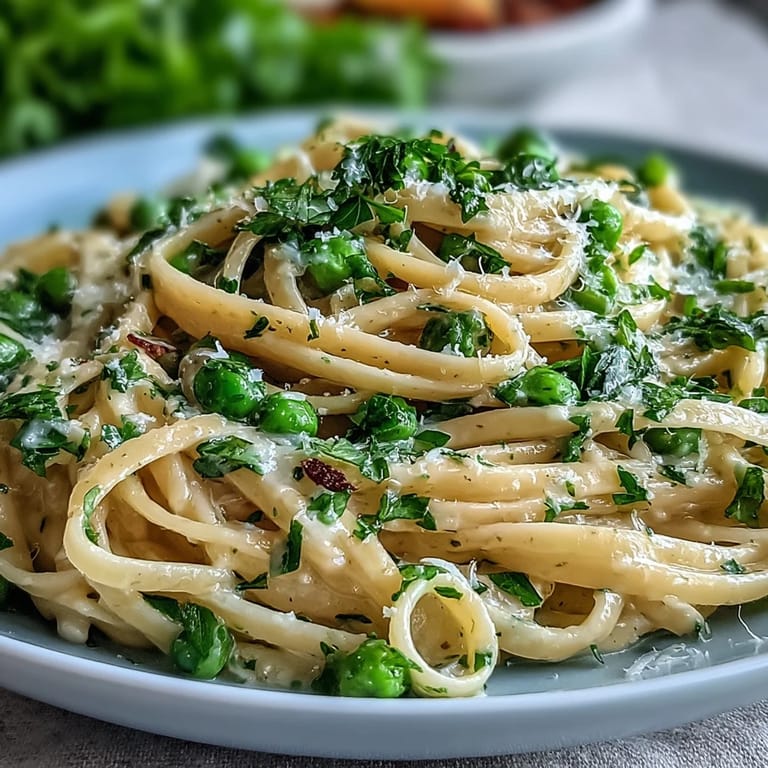
- Sprinkle in your Parmesan, salt, and pepper, and toss everything gently until the cheese melts into a silky sauce. If it seems too thick, add a splash more pasta water—the sauce should coat the noodles without pooling at the bottom.
- Finish with parsley:
- Take the skillet off the heat, stir in your fresh parsley, and taste one more time to see if you need any extra salt or pepper.
- Serve right away:
- Divide into bowls and top with extra Parmesan and a grind of black pepper while everything is still steaming hot.
 Save to Pinterest
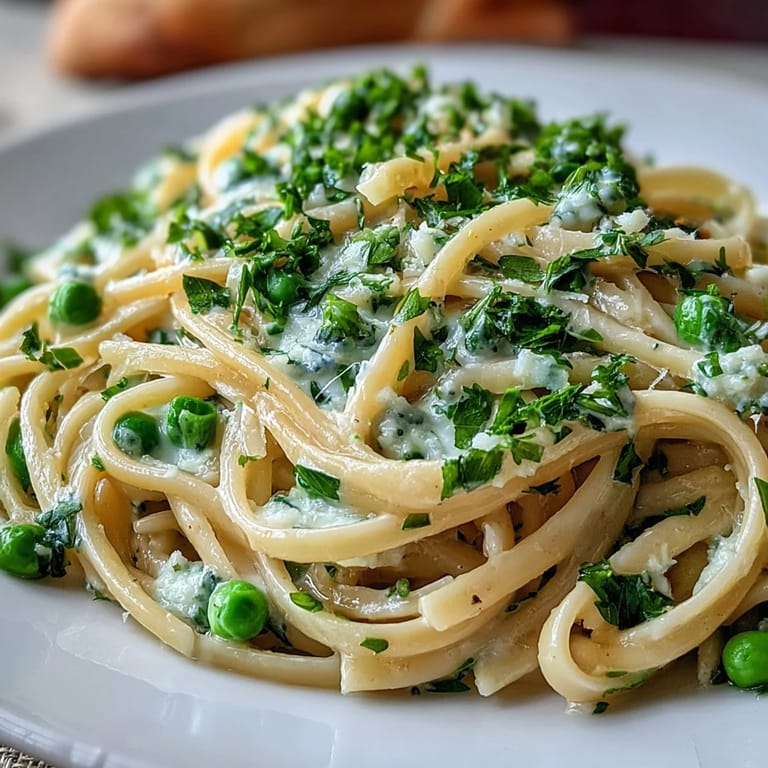
 There's a moment when you toss everything together and the sauce suddenly turns silky and golden, clinging to every strand of pasta like it was always meant to be there. That's the moment I always pause and take a breath, because even after making this dozens of times, it still feels a little like magic.
Why Lemon and Butter Work Together
Butter is rich and creamy, but it can feel heavy on its own—lemon cuts through that richness with brightness and acid, and suddenly you have a sauce that tastes both luxurious and light at the same time. The two ingredients balance each other perfectly, which is probably why this combination has been around in Italian cooking for centuries. When you add the pasta water, everything emulsifies into something that feels more elegant than the sum of its simple parts.
Variations That Actually Work
I've thrown sautéed shrimp into this on nights when I wanted something more substantial, and it transforms the dish into something fancy enough for company without any extra fuss. A handful of baby spinach or arugula stirred in at the end adds earthiness and color, and nobody will know you added vegetables unless you tell them. You can also swap half the butter for good olive oil if you want something that tastes more Mediterranean and less rich, though honestly the all-butter version is the one I keep coming back to.
Serving and Storage Tips
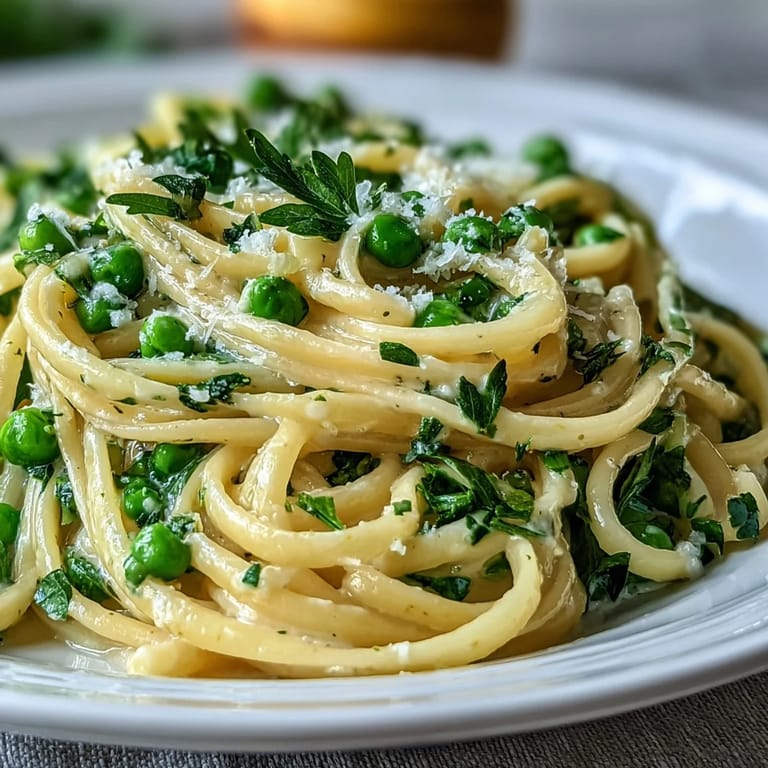
Serve this as soon as it's ready because pasta waits for no one, and the sauce gets thicker as it cools. Leftovers store in the fridge for a couple of days, but honestly it's best eaten fresh when everything is still steaming and the flavors taste bright. If you do have leftovers, warm them gently in a skillet with a splash of pasta water or lemon juice to bring everything back to life.
- A crisp Sauvignon Blanc or unoaked Chardonnay pairs beautifully with the lemon and butter.
- Make sure your Parmesan is grated fresh just before cooking for the silkiest sauce.
- Don't let the garlic brown or the whole dish shifts from bright to burnt-tasting.
 Save to Pinterest
 This is the kind of dish that reminds you why cooking matters—it's simple enough to make on a Tuesday night but special enough to make someone feel cared for. Every time I make it, I think of that evening with my neighbor's fresh peas and the day my sister sat at my counter, and I'm grateful for a recipe that's become part of my life.
Recipe Q&A
- → Can I use frozen peas for this dish?
Yes, frozen peas work well. Cook them in the skillet until heated through to retain their sweetness and texture.
- → What type of pasta is best to use?
Linguine or spaghetti are ideal as they hold the sauce well and complement the delicate flavors.
- → How can I make the sauce creamier?
Use reserved pasta water gradually to achieve a smooth, silky sauce that clings to the pasta.
- → Can I substitute Parmesan with another cheese?
Hard cheeses like Pecorino Romano can be used, though Parmesan’s nutty profile is preferred for balance.
- → Is it possible to add protein to this dish?
Sautéed shrimp or grilled chicken can be added to boost protein and create a heartier meal.